SAP Sapphire
SAP Sapphire
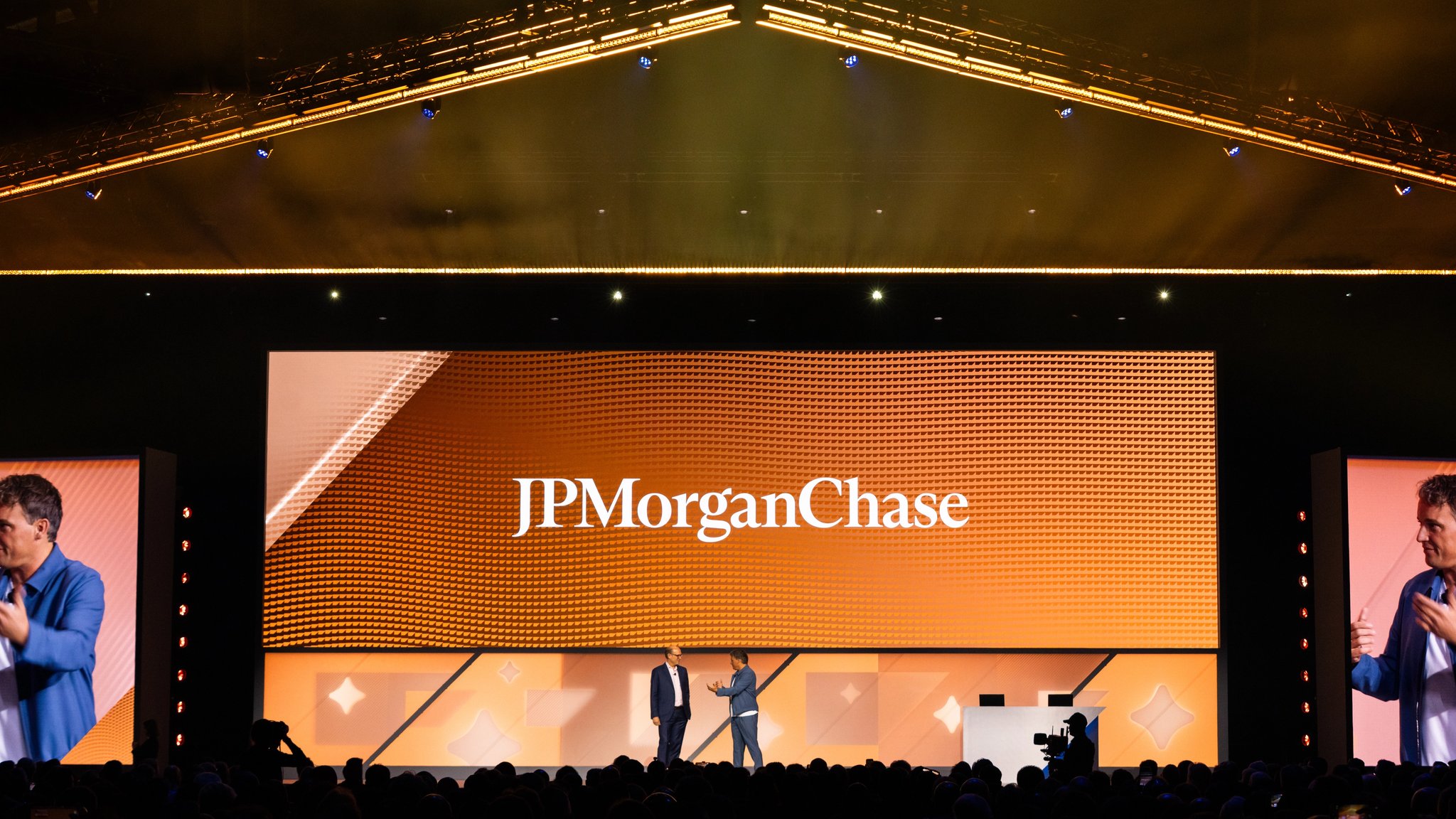
2026 Keynote1916 Our approach to the SAP Sapphire 2026 Keynote was built around a single creative ambition: translating SAP's vision of the Autonomous Enterprise into a fully realized, intelligent stage environment. SAP is a brand built on precision, performance, and trust — and their message this year was unambiguous: AI should not guess, it should deliver accurate, purposeful outcomes. Our goal was to bring that same ethos to the stage itself, where structure meets spectacle and design discipline becomes visual language.
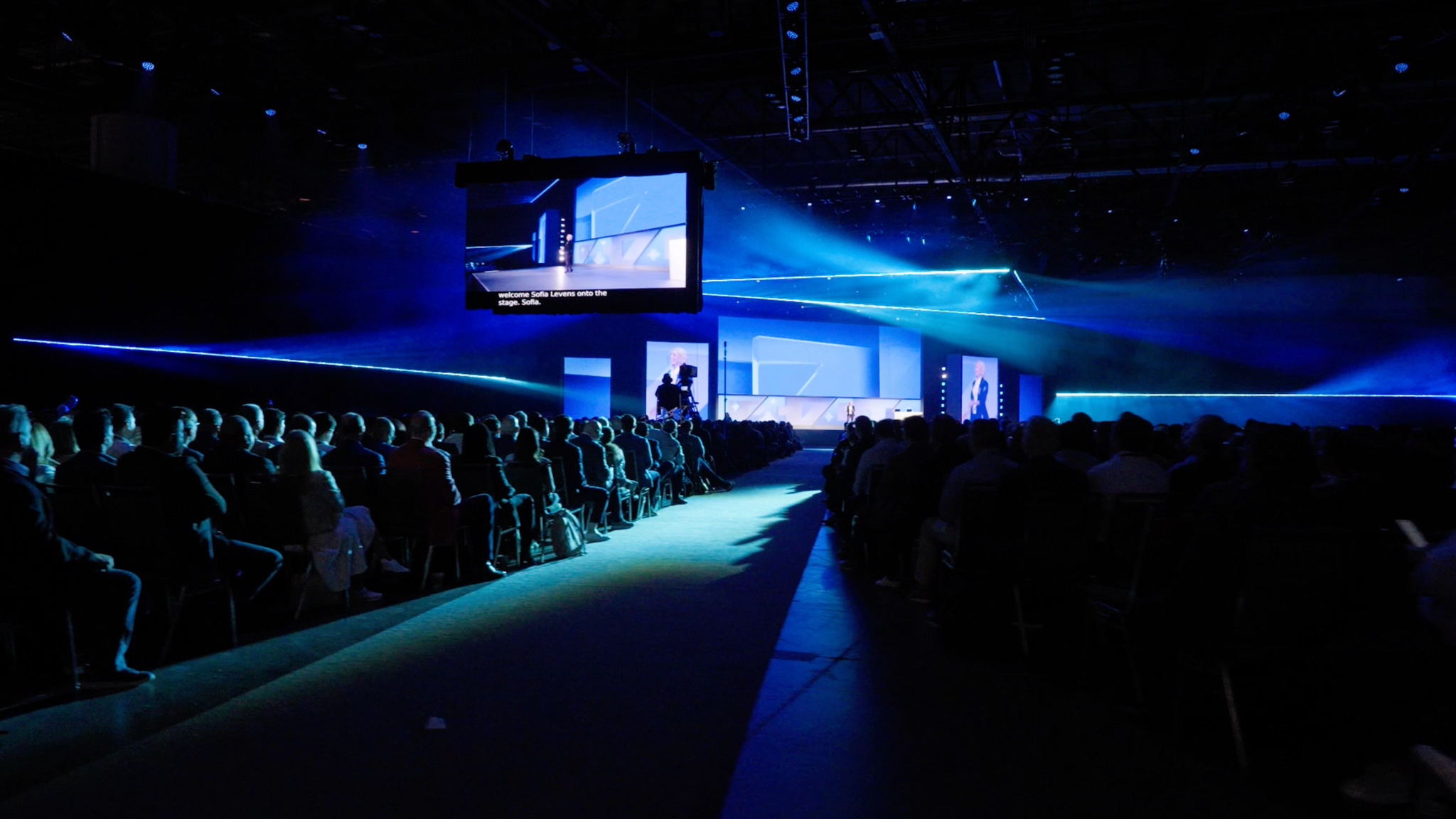
Rather than deploying creative technology as isolated moments of spectacle, we treated it as a narrative framework, placing storytelling elements strategically across the run of show to build a cohesive arc that elevated energy, punctuated transitions, and kept audiences engaged from open to close.
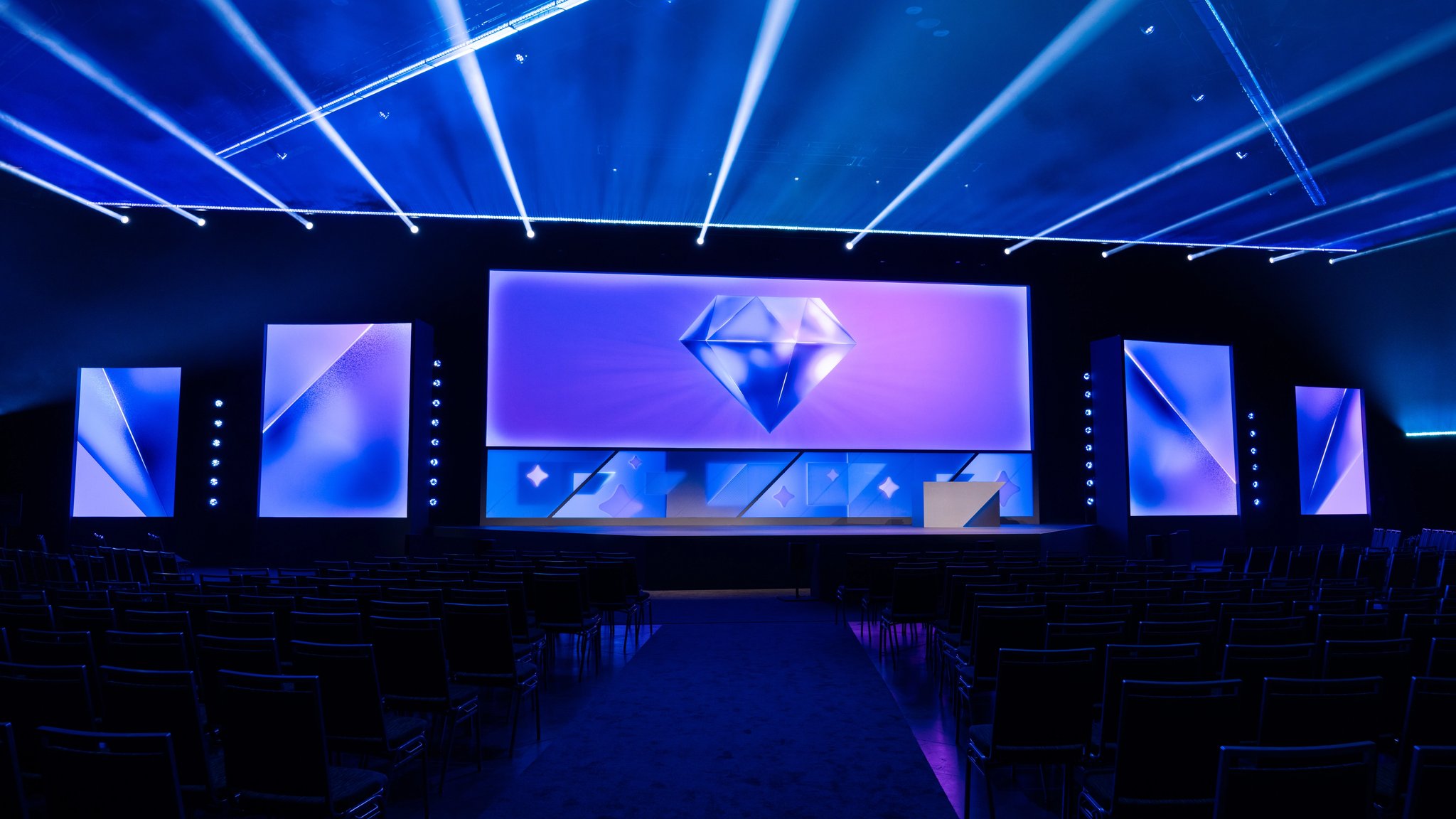

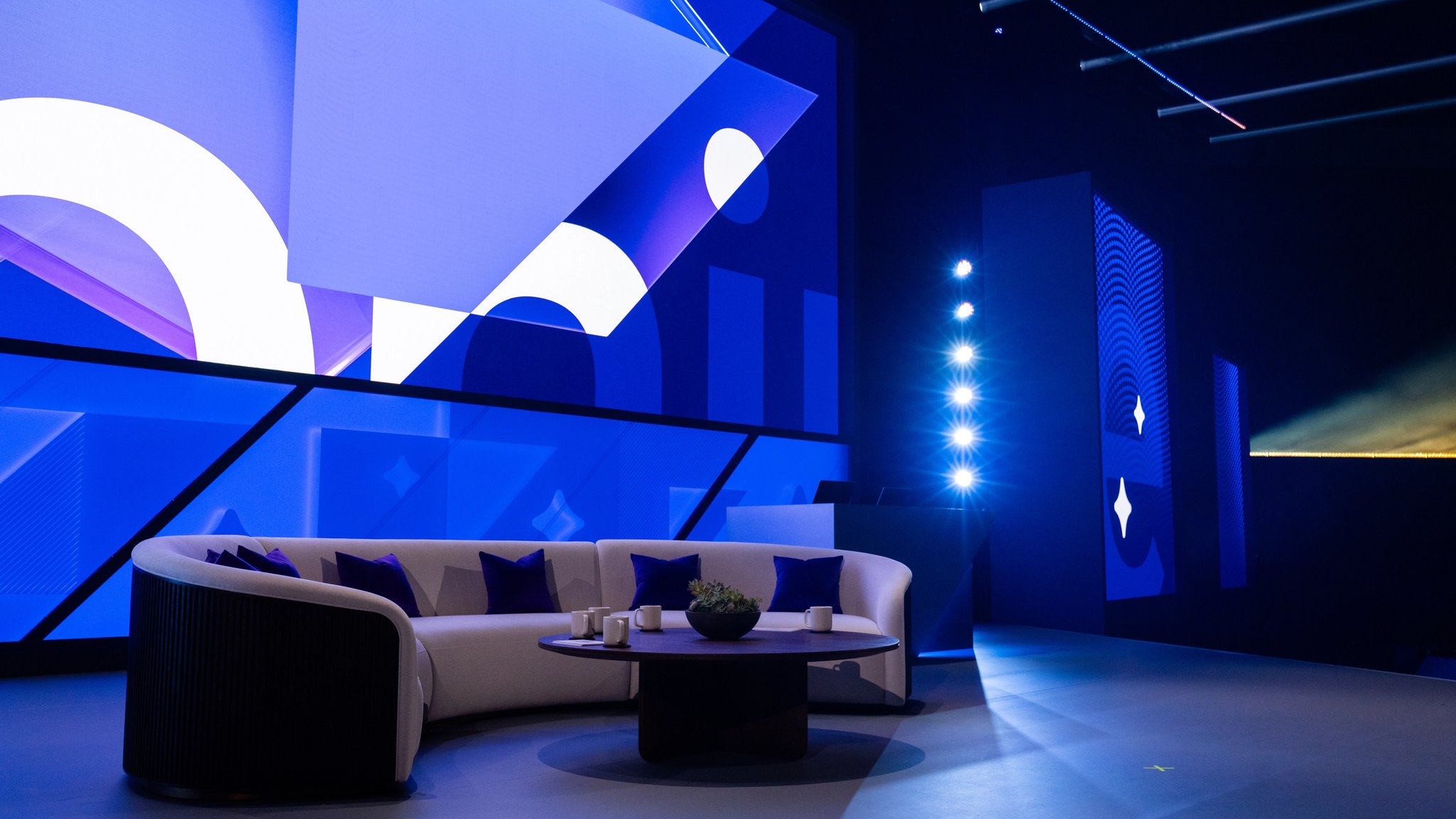
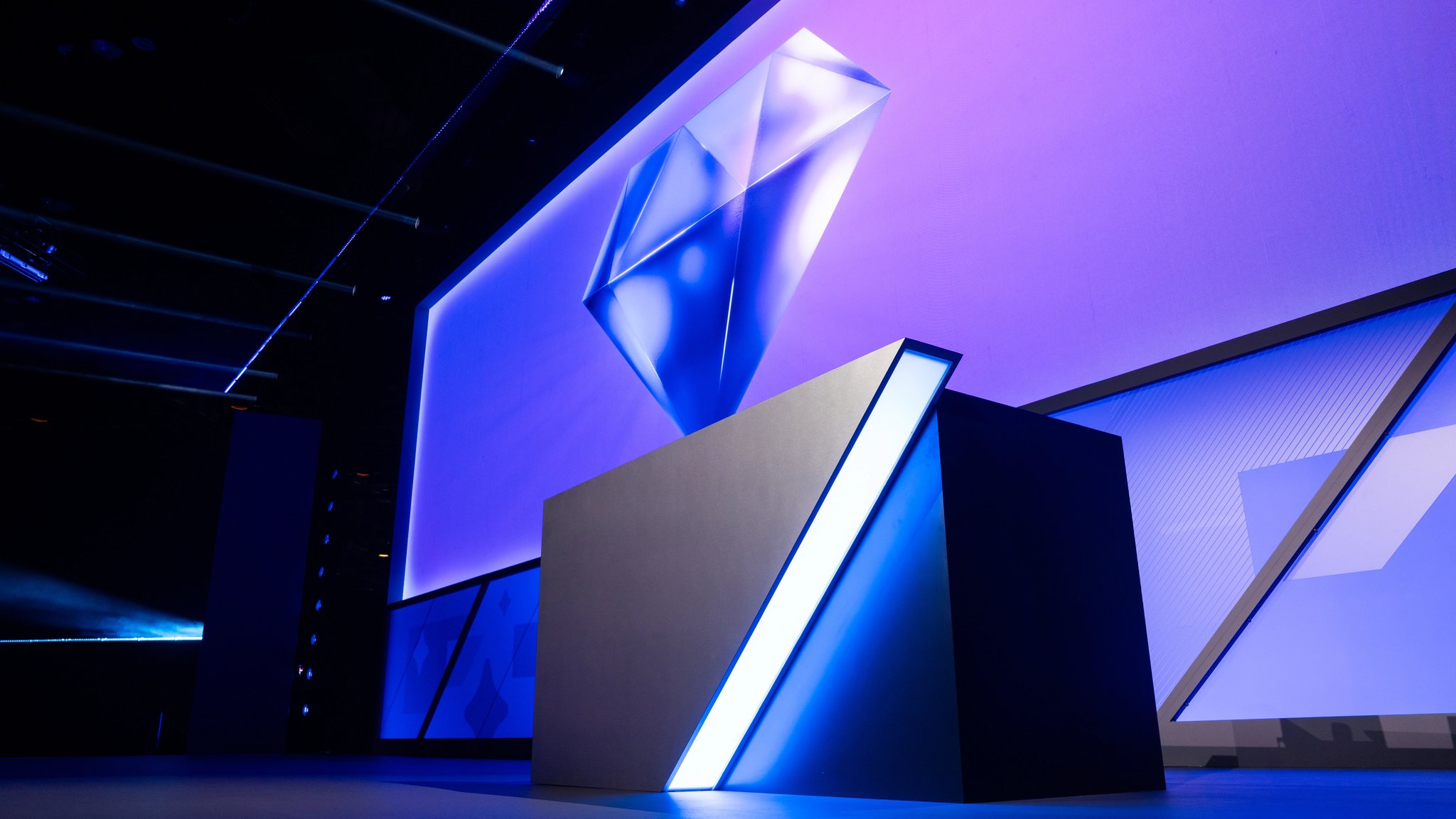
Just as SAP argued that agents are only as powerful as the context they operate on, every element of our stage system was designed to operate with context, aware of where it was in the show, what story was being told, and what the moment required.
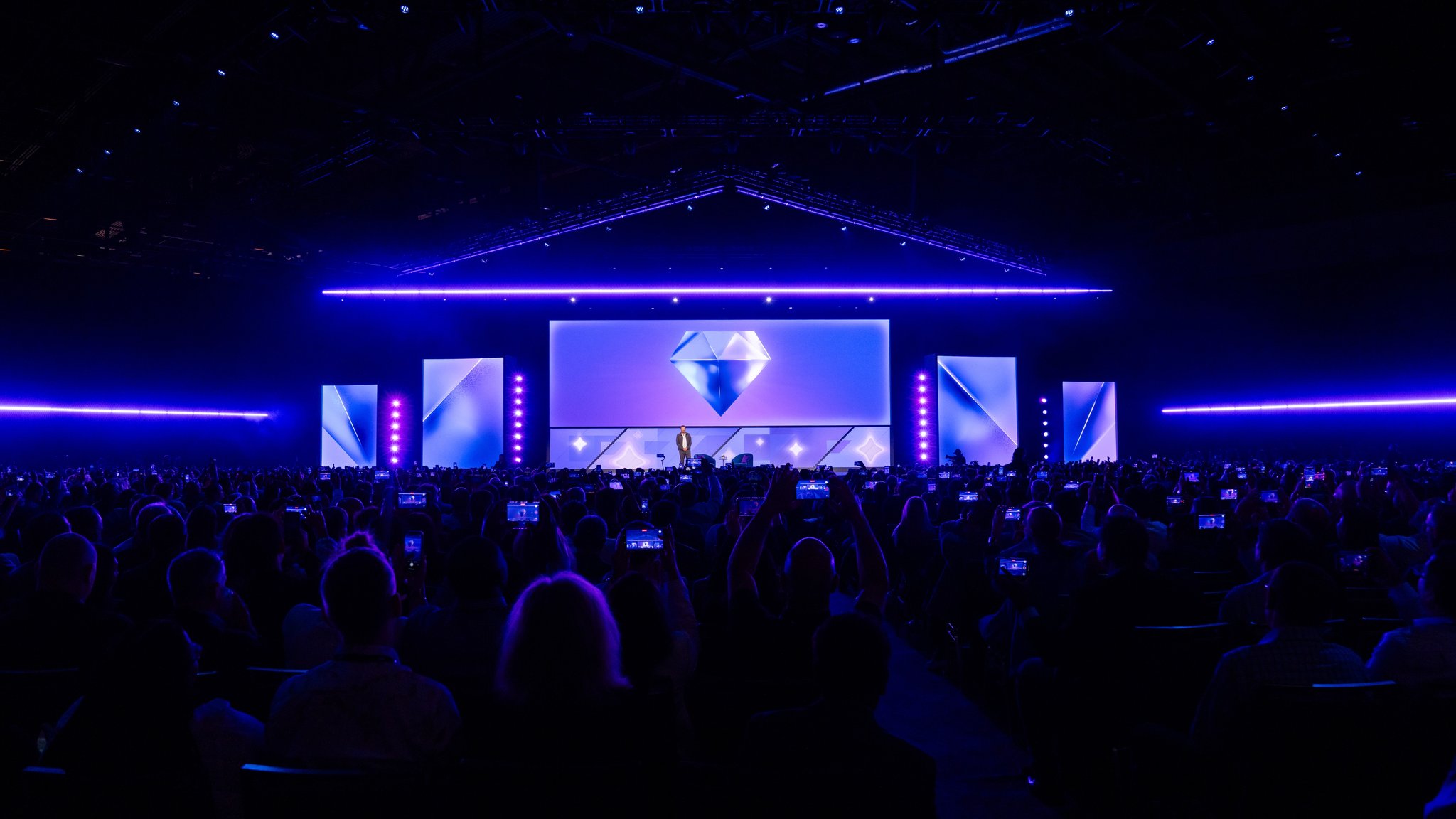
At the heart of this system was The Autonomous Wall, a living architectural backdrop inspired by Joule, SAP's AI agent, composed of layered panels with custom opacity films that created a calm, dimensional presence optimized for both broadcast and in-room clarity.
At the heart of this system was The Autonomous Wall, a living architectural backdrop inspired by Joule, SAP's AI agent, composed of layered panels with custom opacity films that created a calm, dimensional presence optimized for both broadcast and in-room clarity.
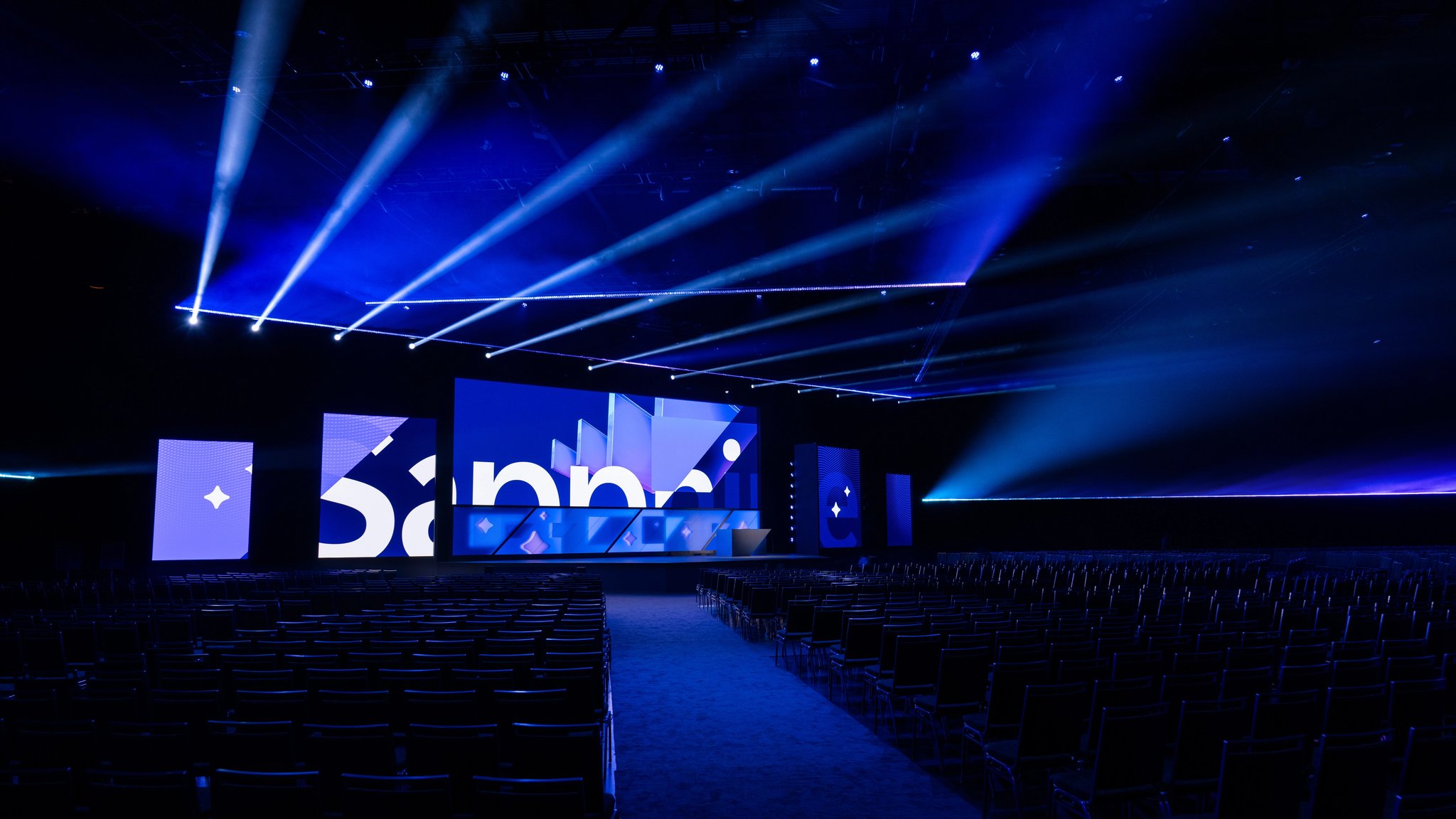

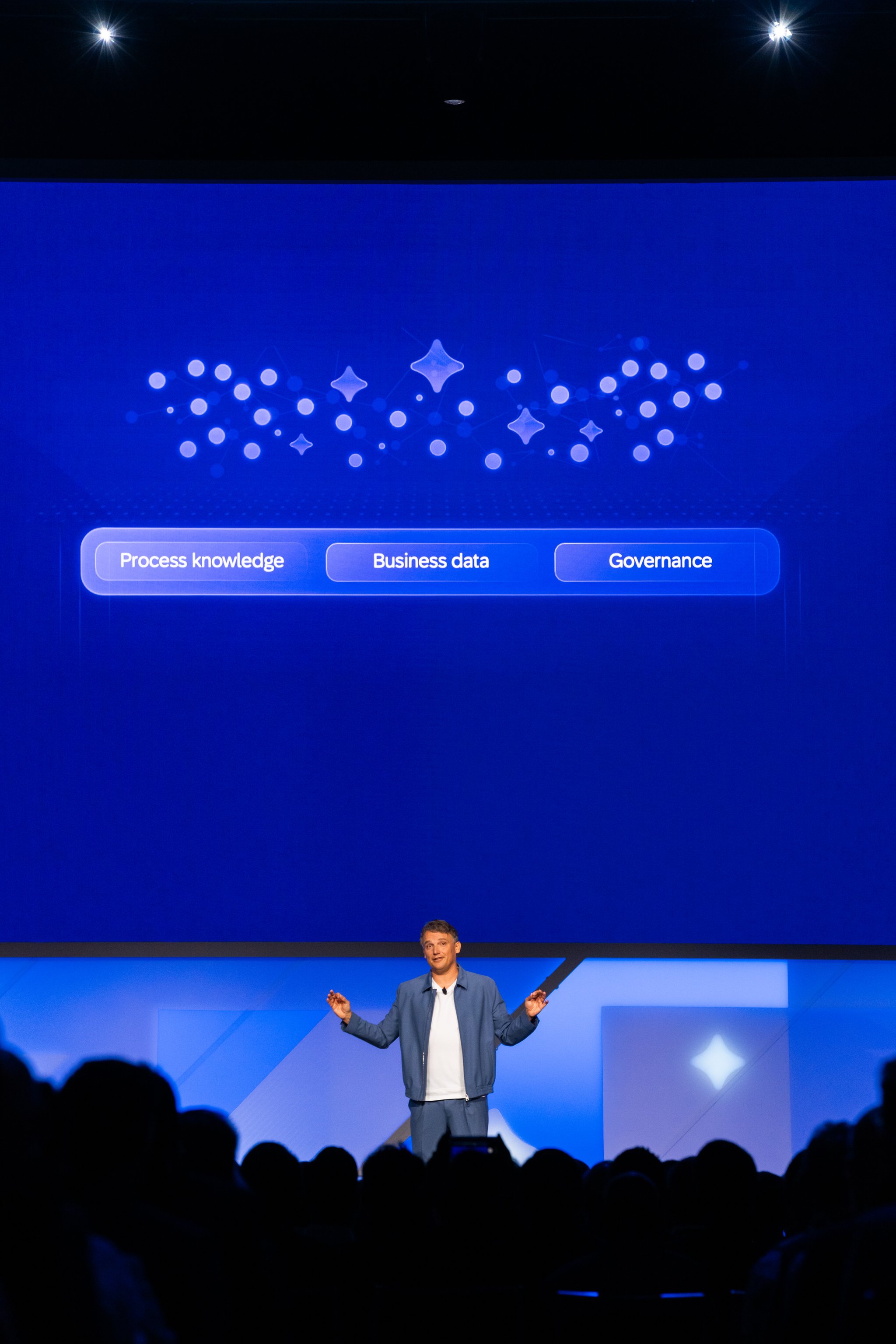
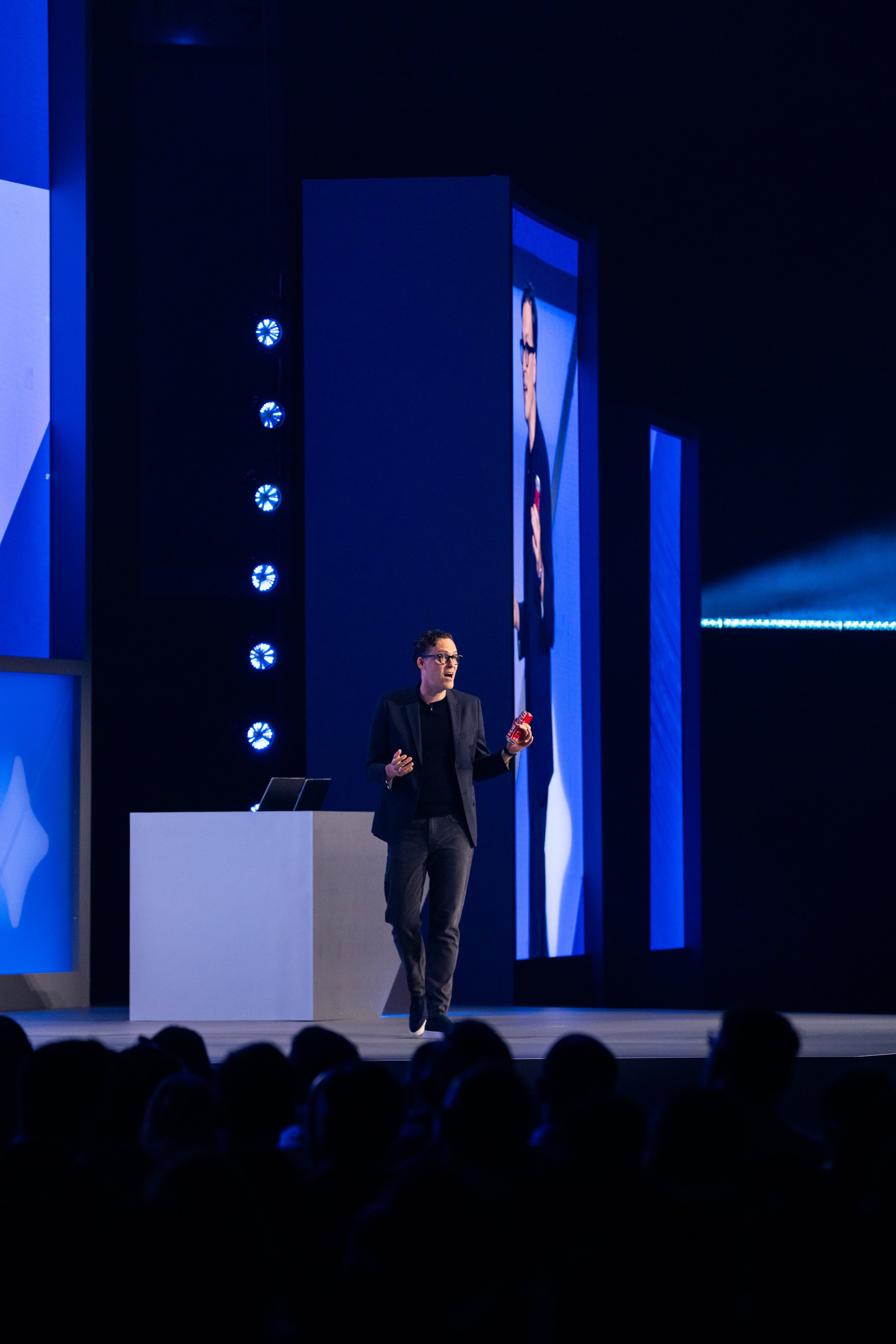
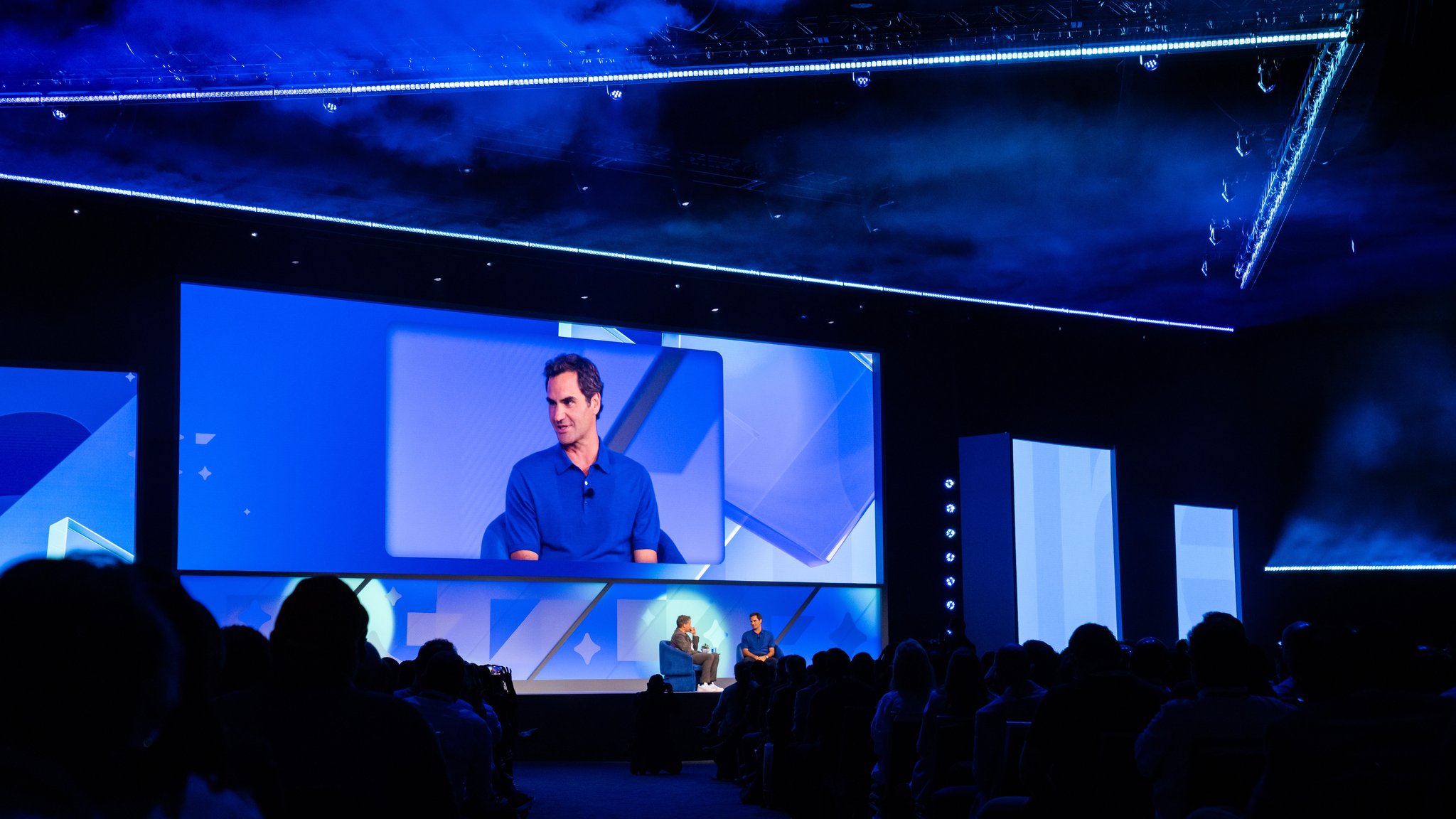
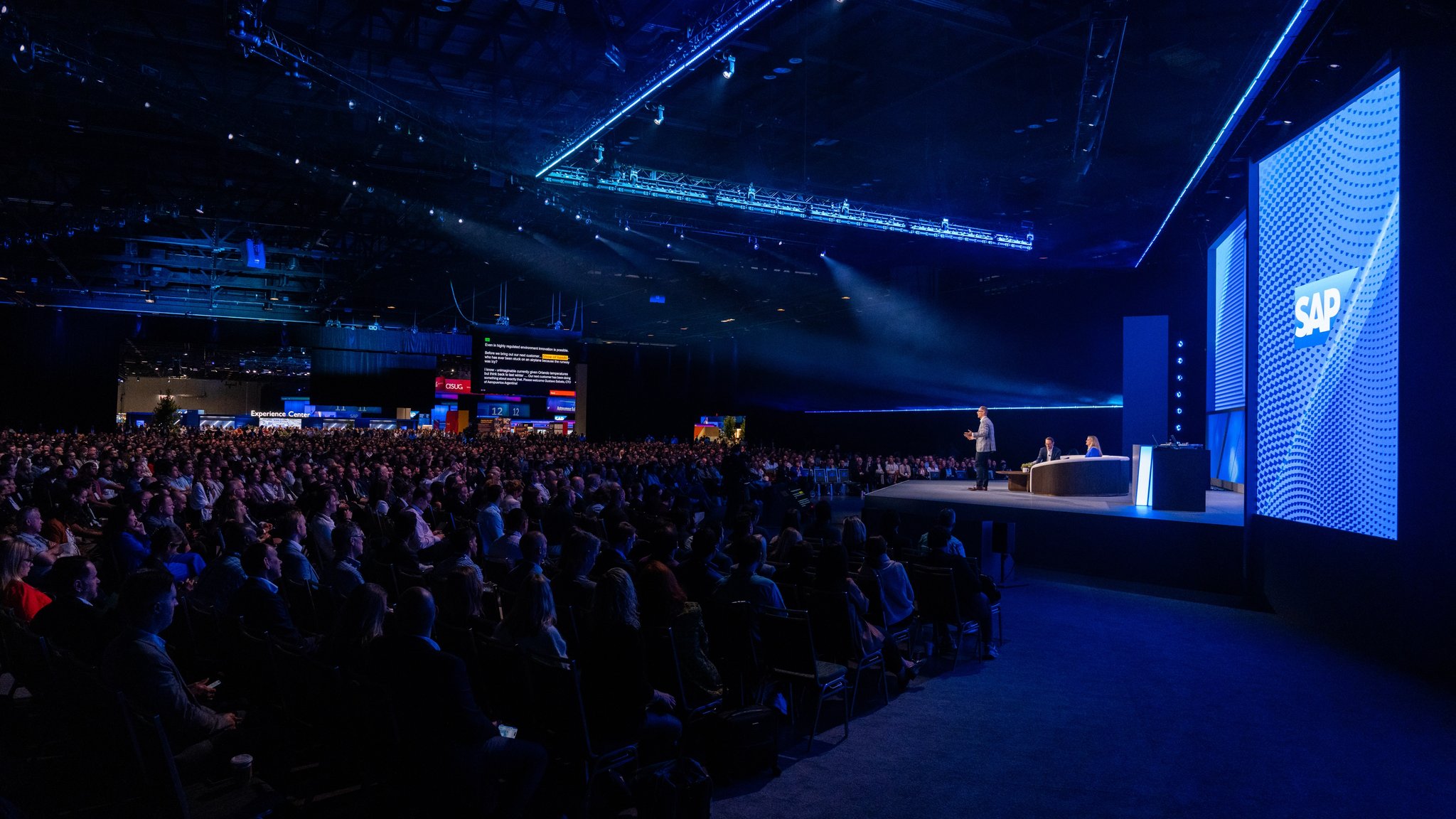
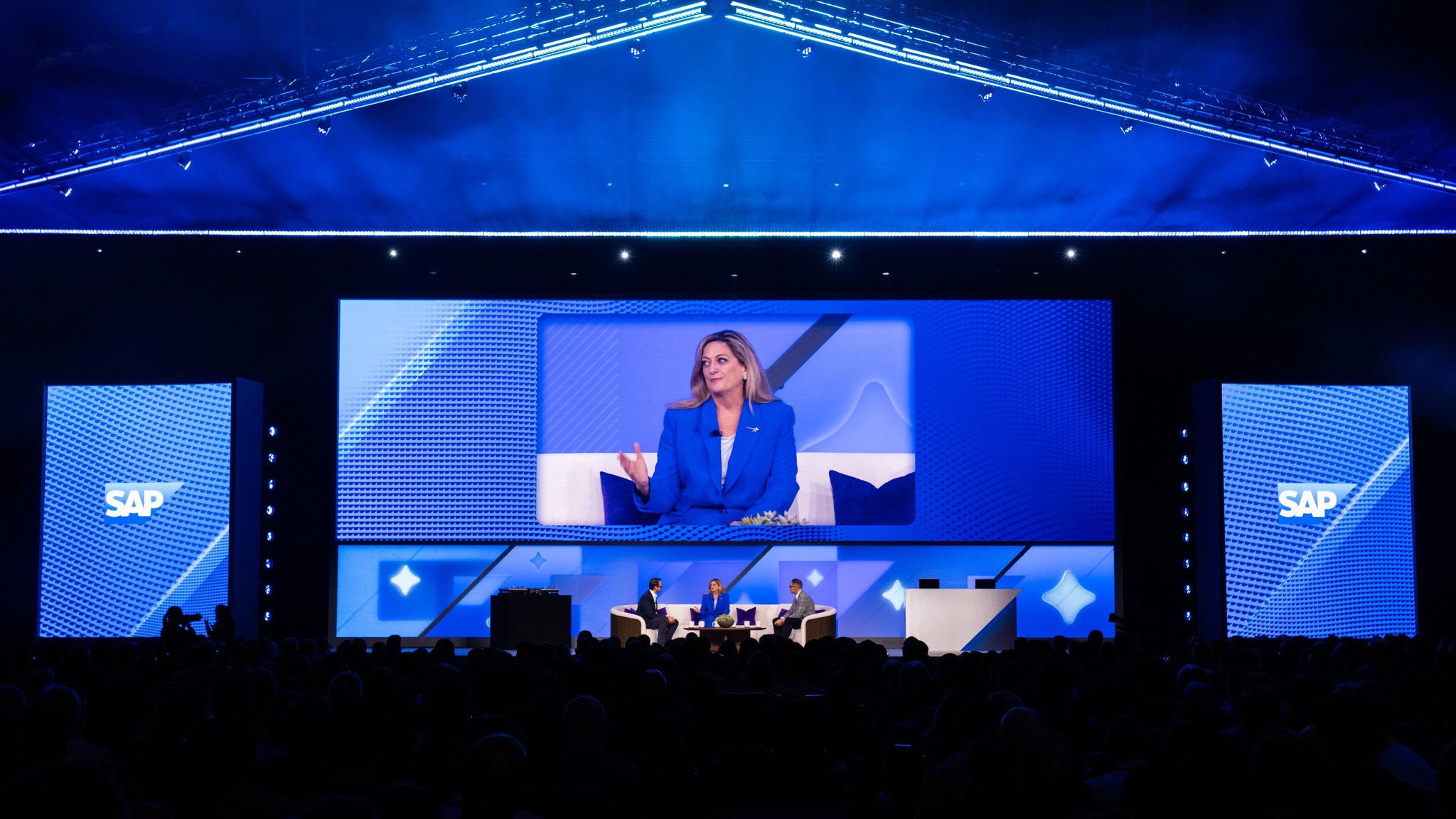
Through bespoke Enhanced Show Modes, the wall adapted responsively to each keynote moment, reacting to walk-in music, pulsing through transitions, supporting executive walk-ons, and aligning color and tone with opening films, customer stories, and demos all while staying visually unified with content across surrounding screens.
In its Baseline Mode, it functioned as the show's ambient intelligence layer: always present, always purposeful, quietly signaling the same precision and depth that SAP was communicating from the stage. The result was a responsive environment where content, audience, and presenters acted as one connected system, a stage as autonomous, intentional, and refined as the technology it was built to support.
In its Baseline Mode, it functioned as the show's ambient intelligence layer: always present, always purposeful, quietly signaling the same precision and depth that SAP was communicating from the stage. The result was a responsive environment where content, audience, and presenters acted as one connected system, a stage as autonomous, intentional, and refined as the technology it was built to support.