HBO Max: Stuart Fails to Save the Universe
HBO Max: Stuart Fails to Save the Universe
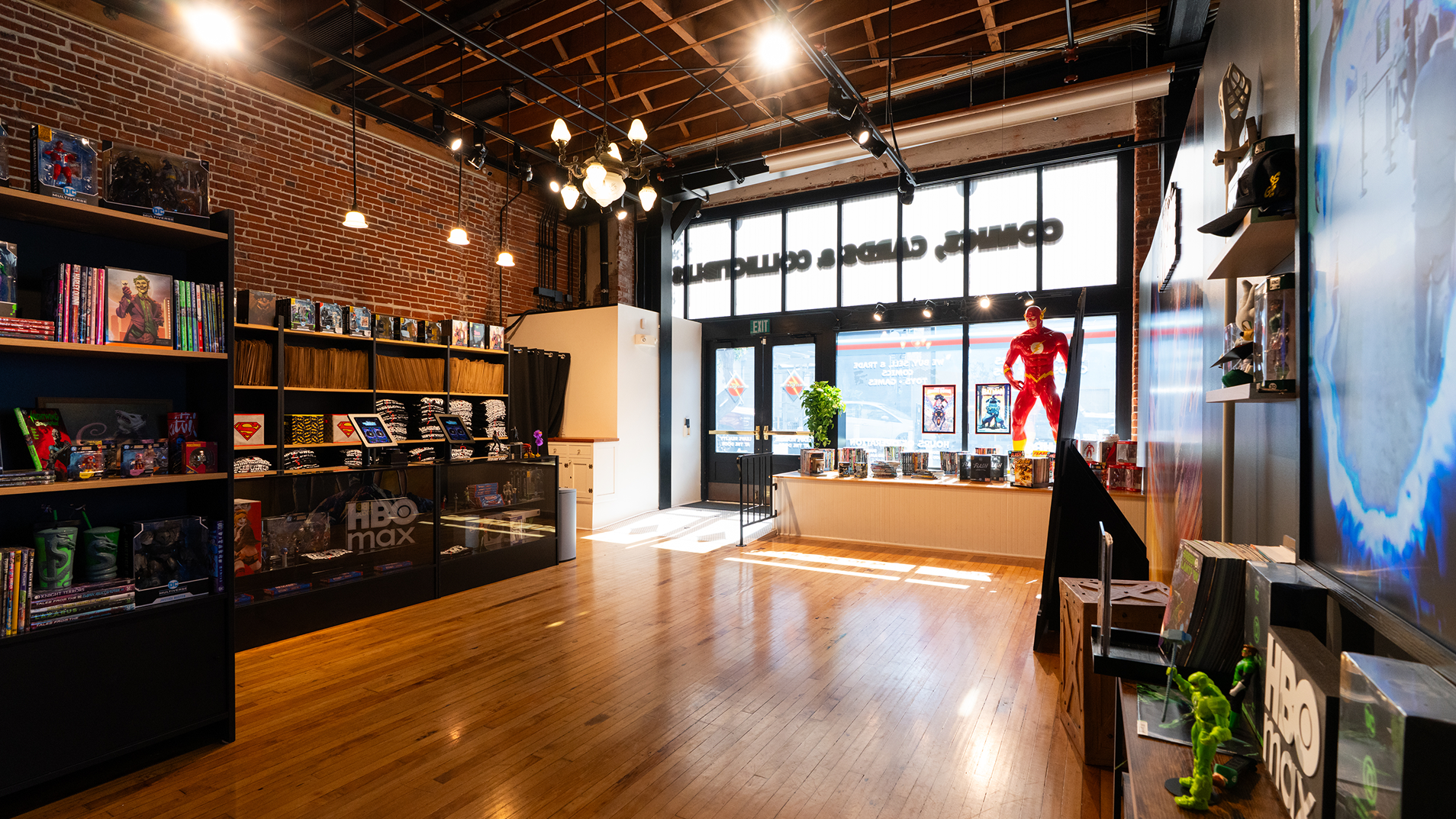
Comic Shop Pop Up0789 Failing Has Never Felt So Good. For the launch of HBO Max’s Stuart Fails to Save the Universe, a spin-off of The Big Bang Theory, we set out to bring the show’s multidimensional chaos into the real world at San Diego Comic-Con.
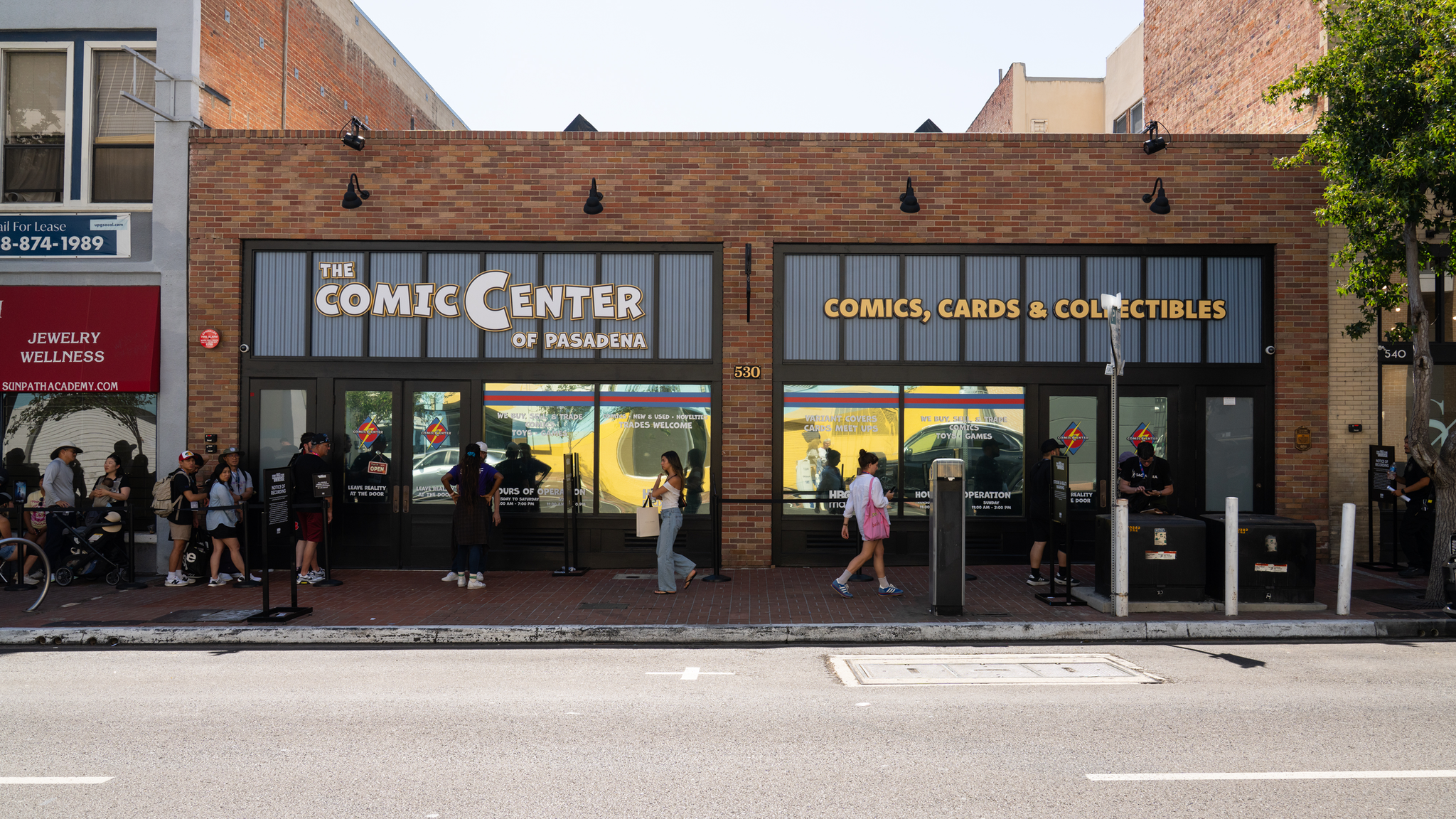
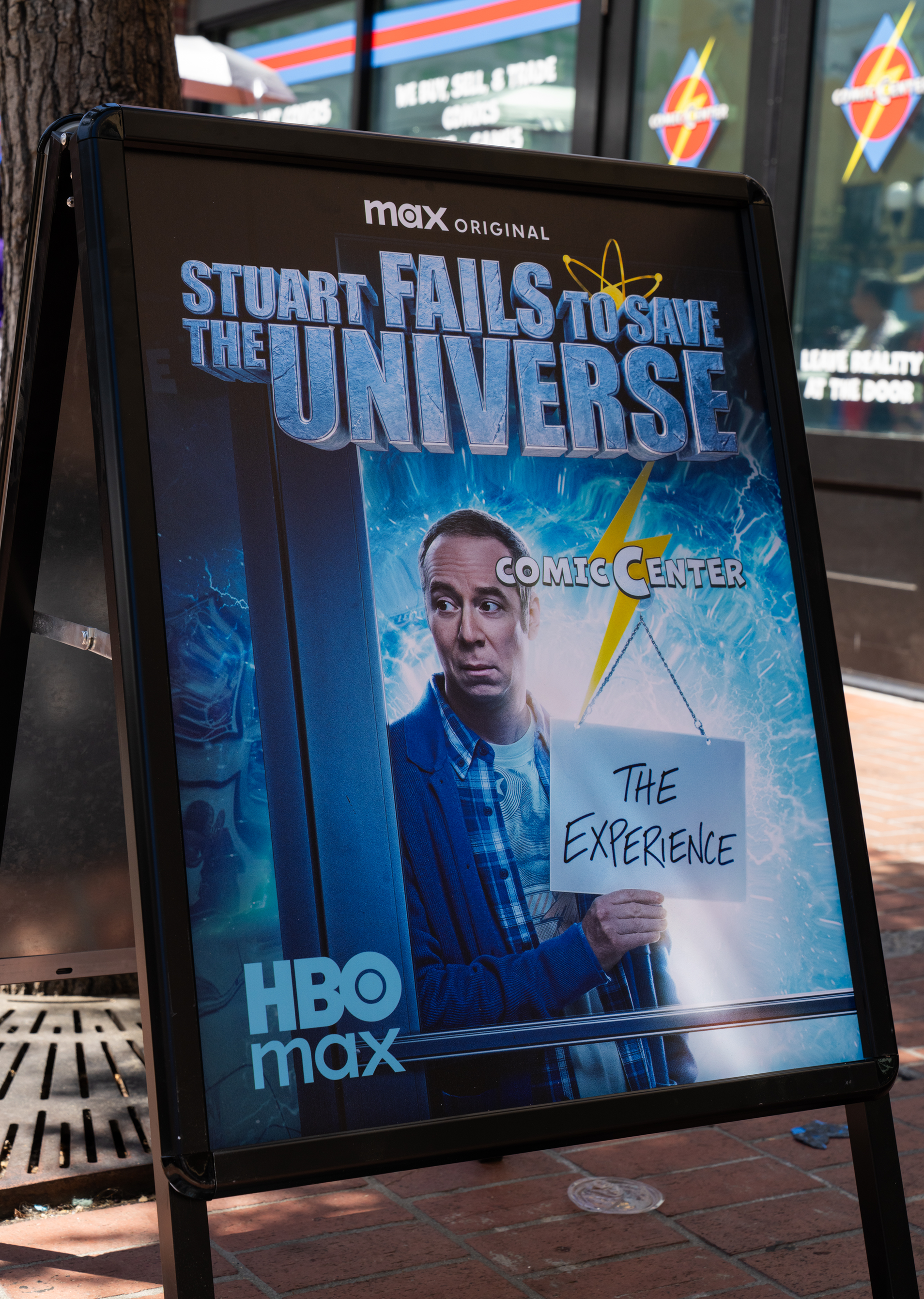
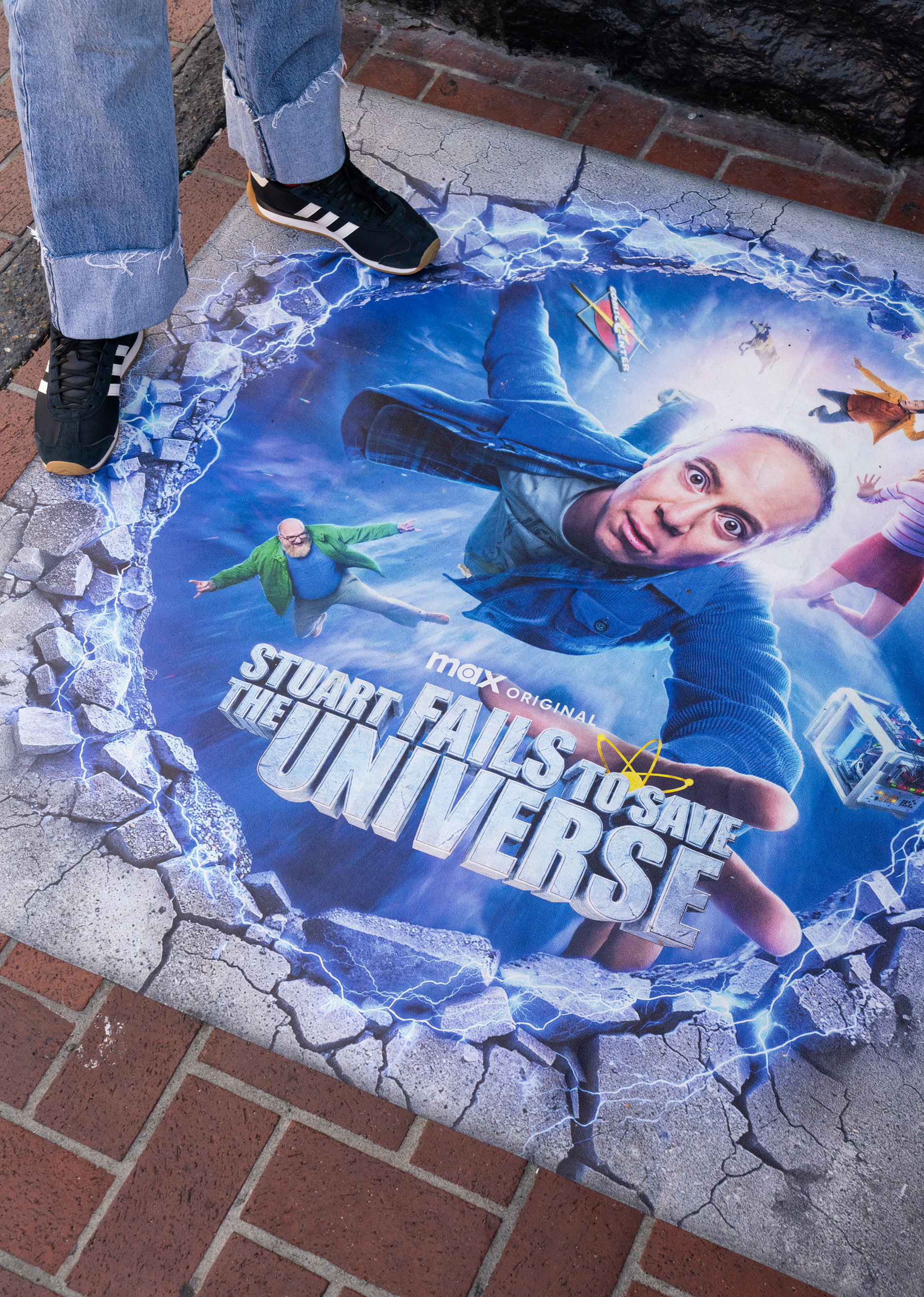
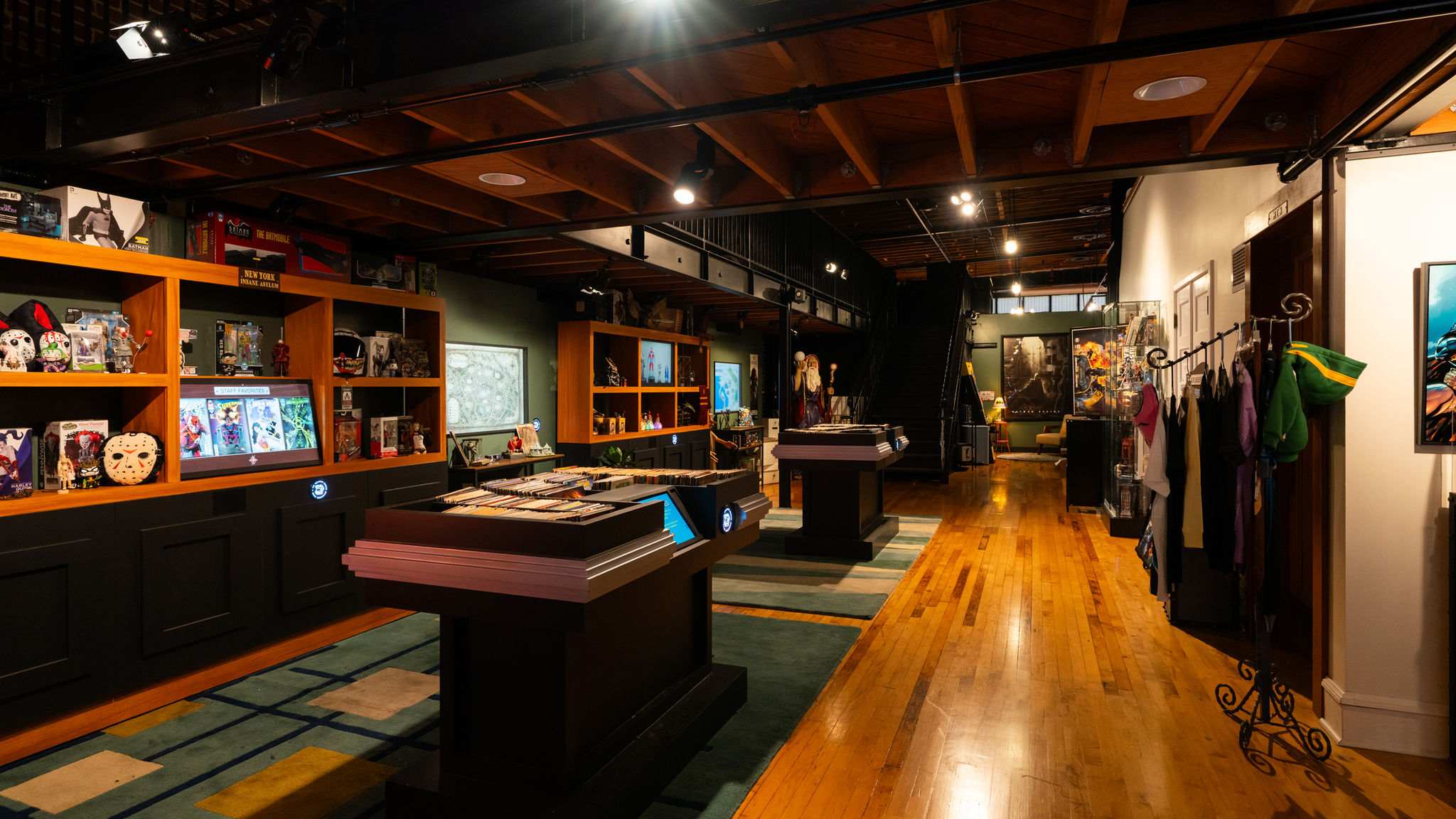
The timing and location couldn’t have been more fitting. The series launched during Comic-Con weekend, and with a comic book store serving as one of the show’s central settings, we saw an opportunity to build something that felt immediately familiar to fans—then completely turn it on its head.
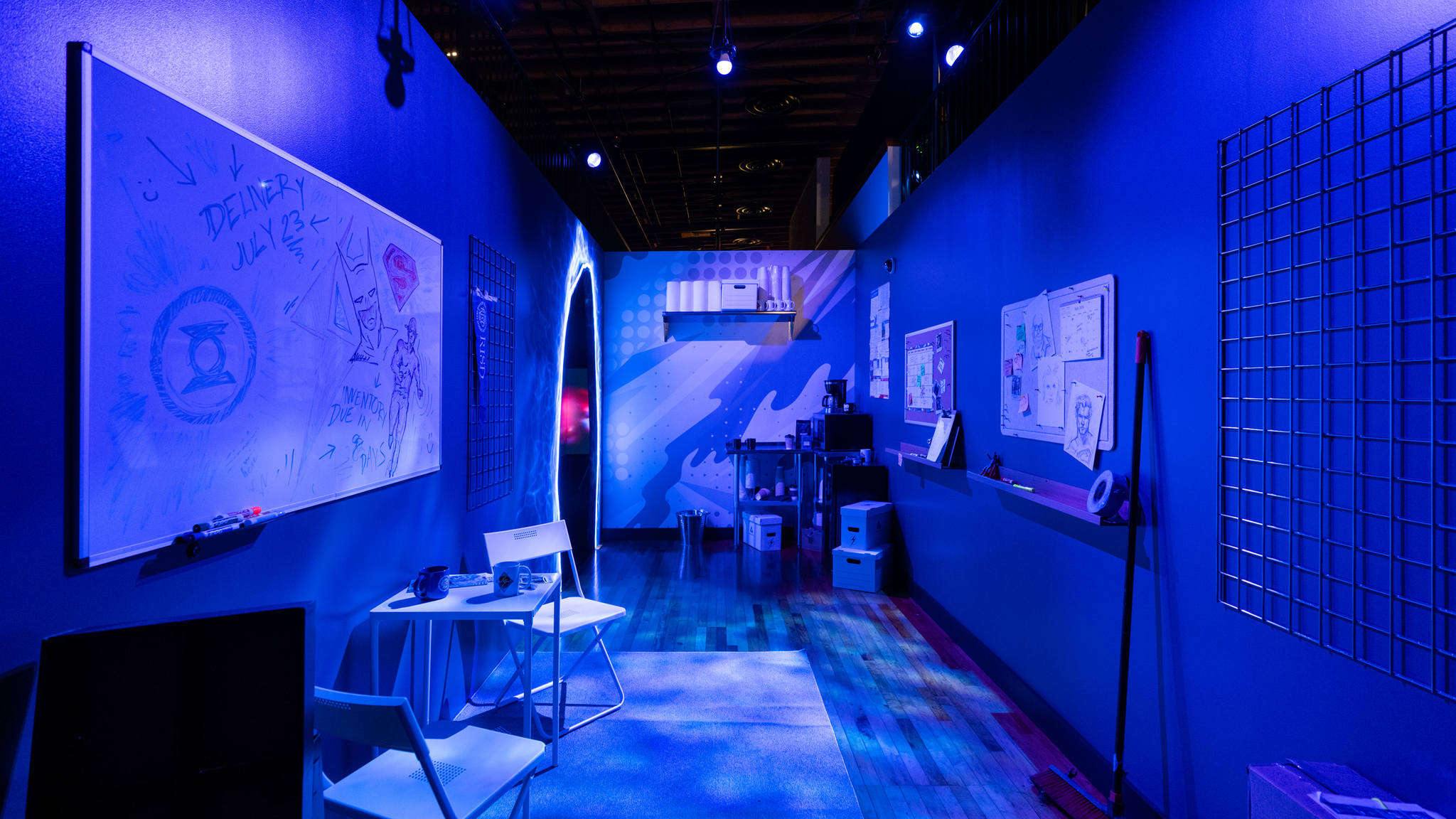
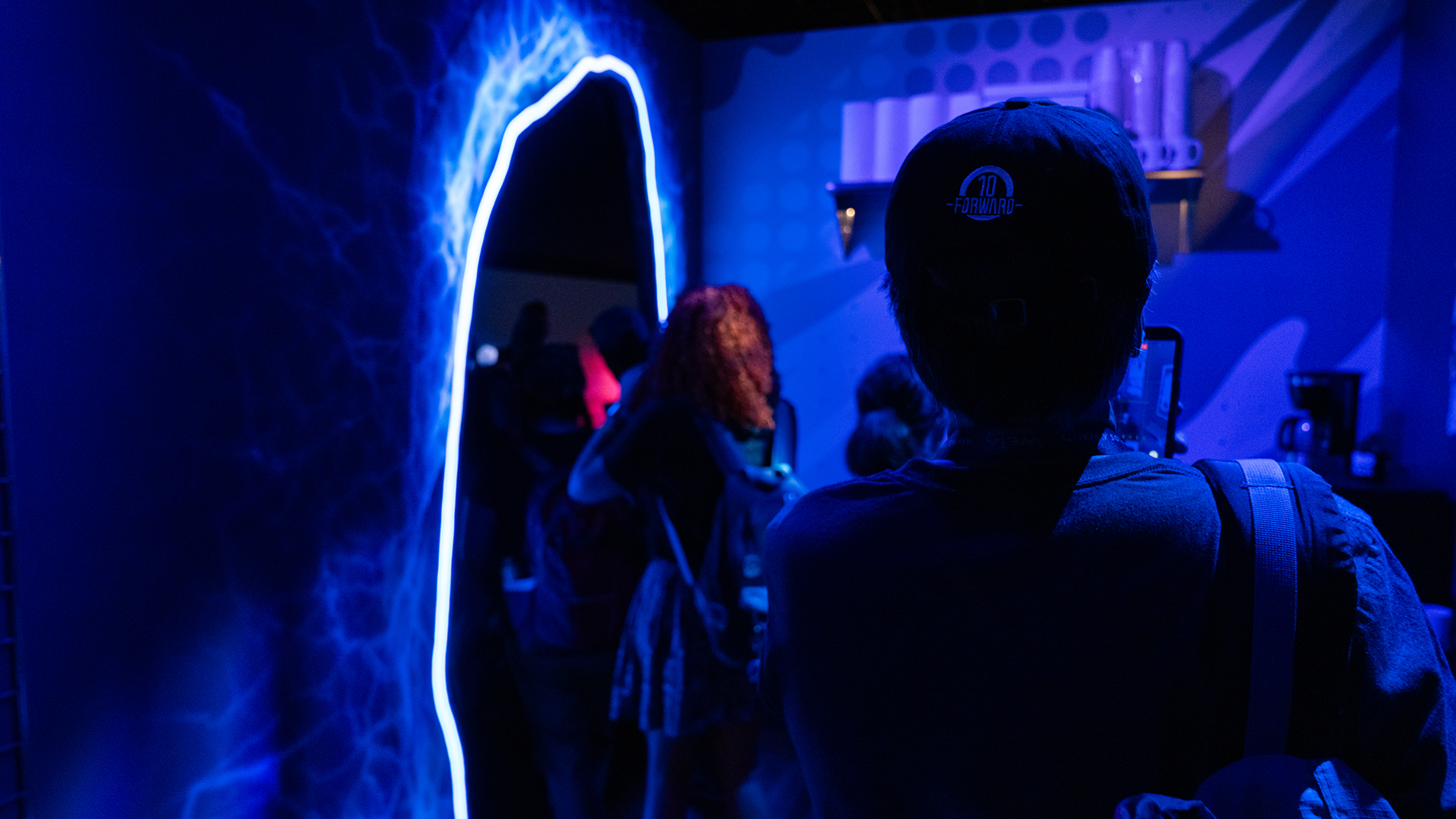
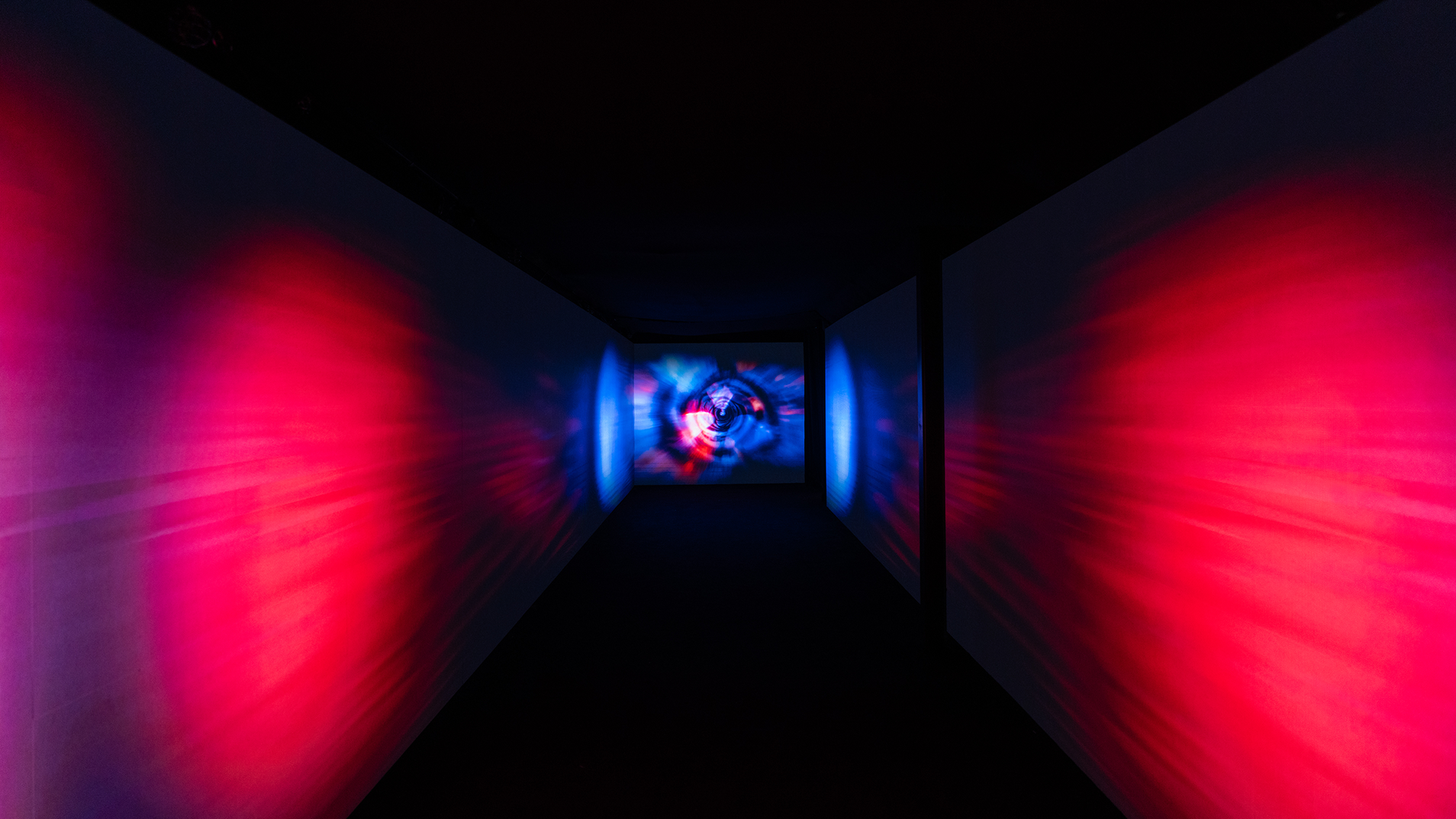
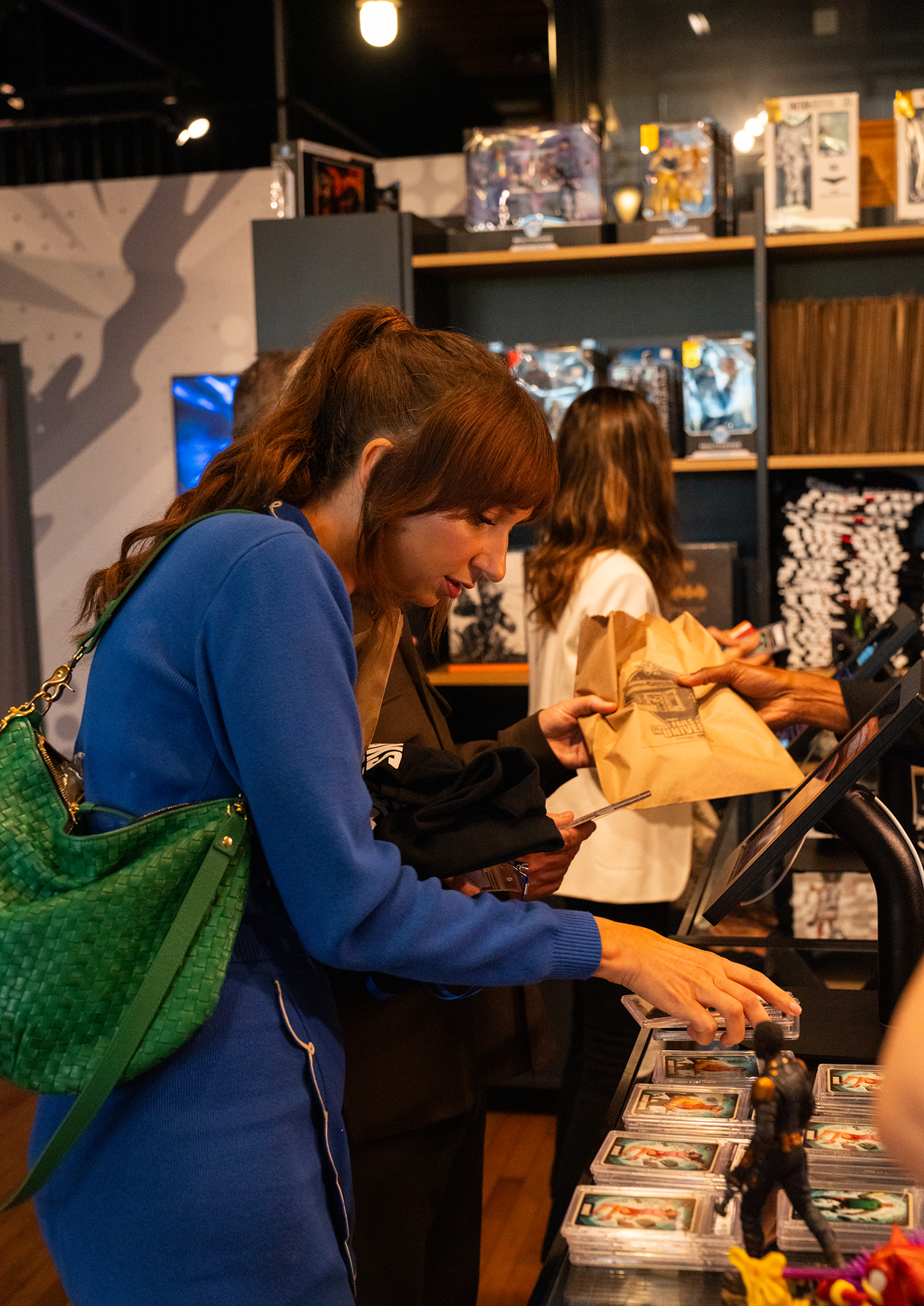
Guests entered what appeared to be a functioning comic shop and received a membership card. But the card was actually the key to a much larger adventure. A portal opened, characters from the series broke through, and visitors were pulled out of reality and into a choose-your-own-adventure journey inspired by the worlds and storylines of season one.
Guests entered what appeared to be a functioning comic shop and received a membership card. But the card was actually the key to a much larger adventure. A portal opened, characters from the series broke through, and visitors were pulled out of reality and into a choose-your-own-adventure journey inspired by the worlds and storylines of season one.
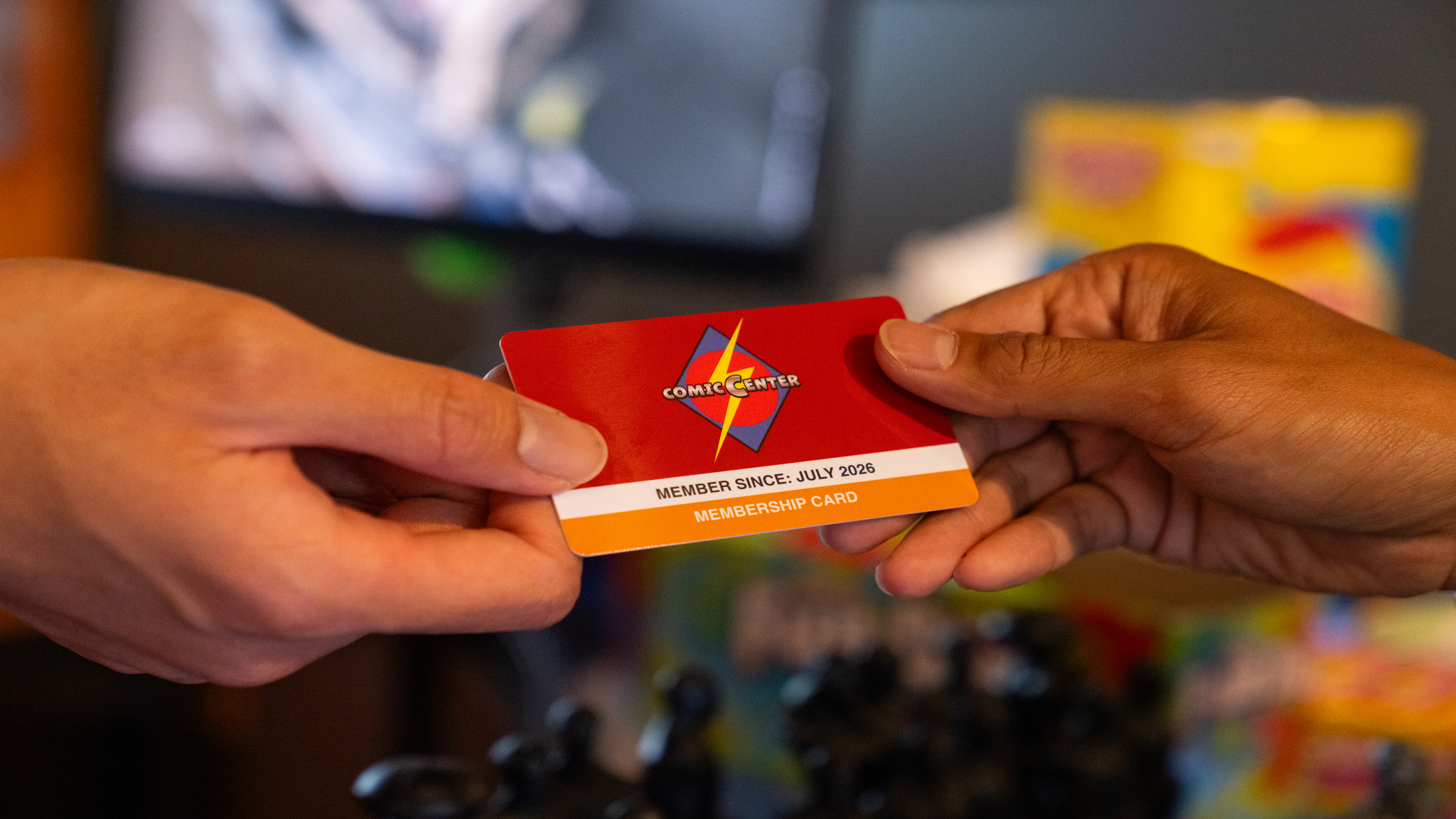
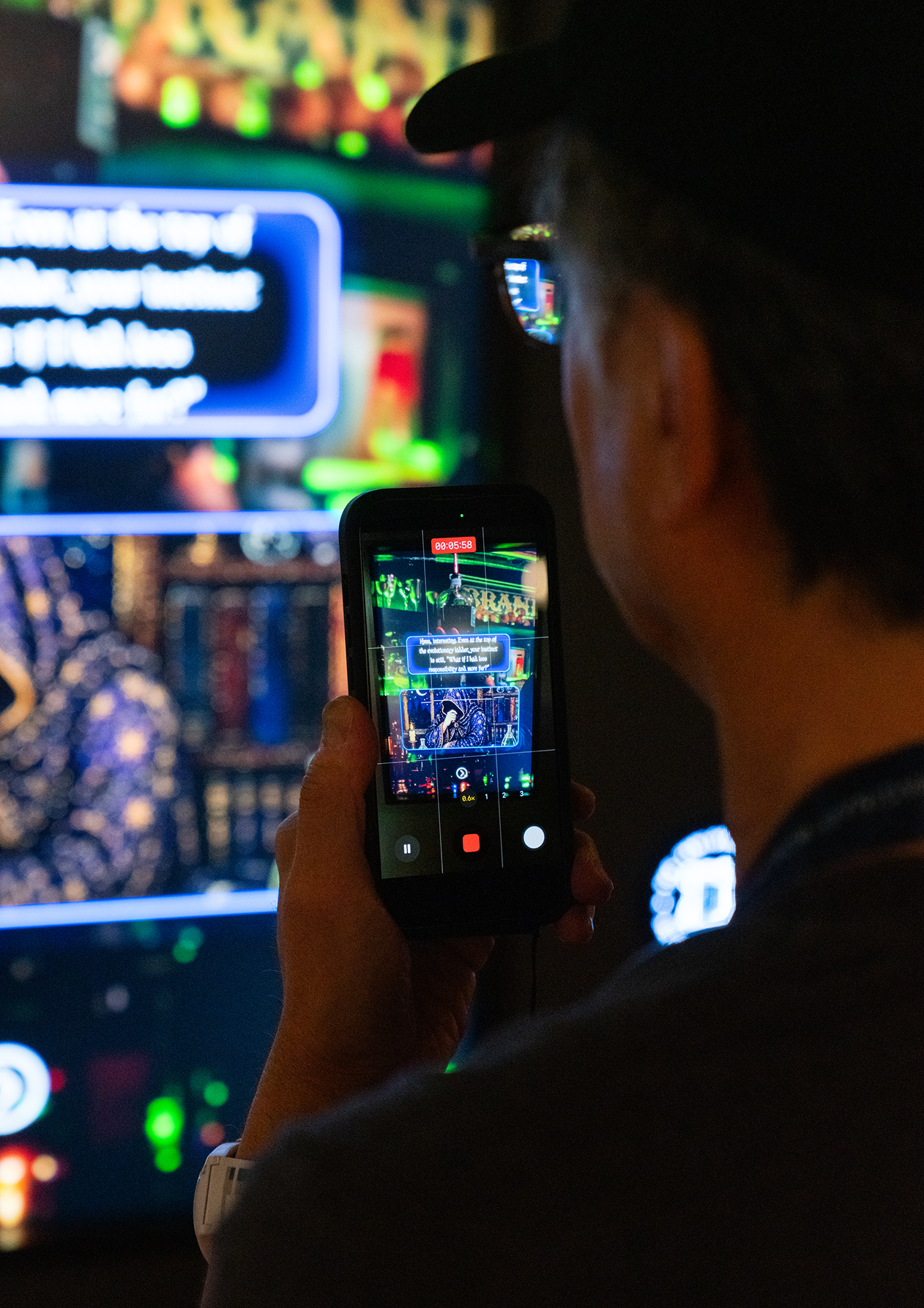
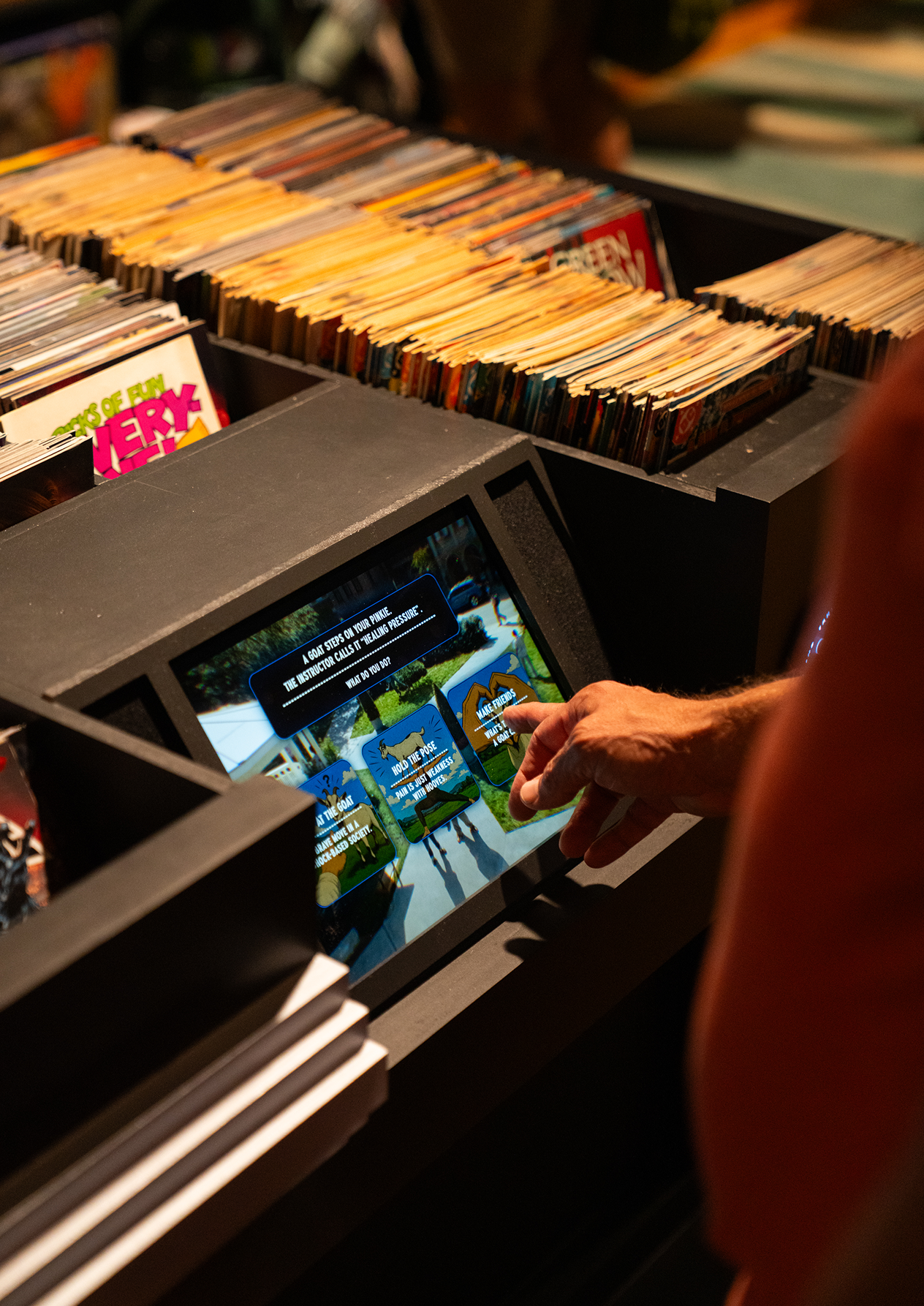
Rather than simply recreating a set, we wanted people to feel like they had stepped inside an episode. Across four zones and 11 interactive touchpoints, guests used RFID-enabled membership cards to make their way through any three universes in any order. Each decision shaped what happened next, creating a personalized path through the experience.
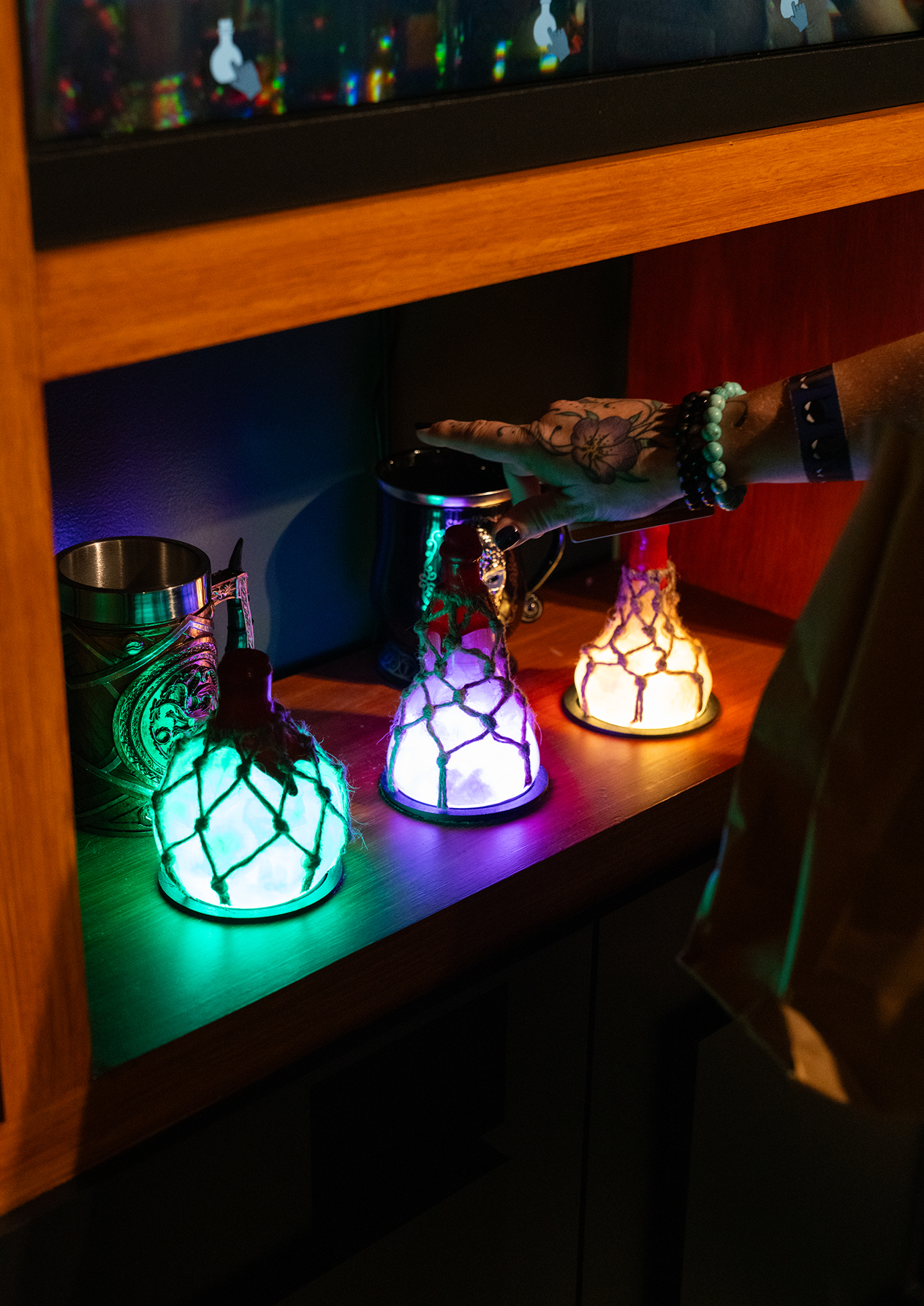
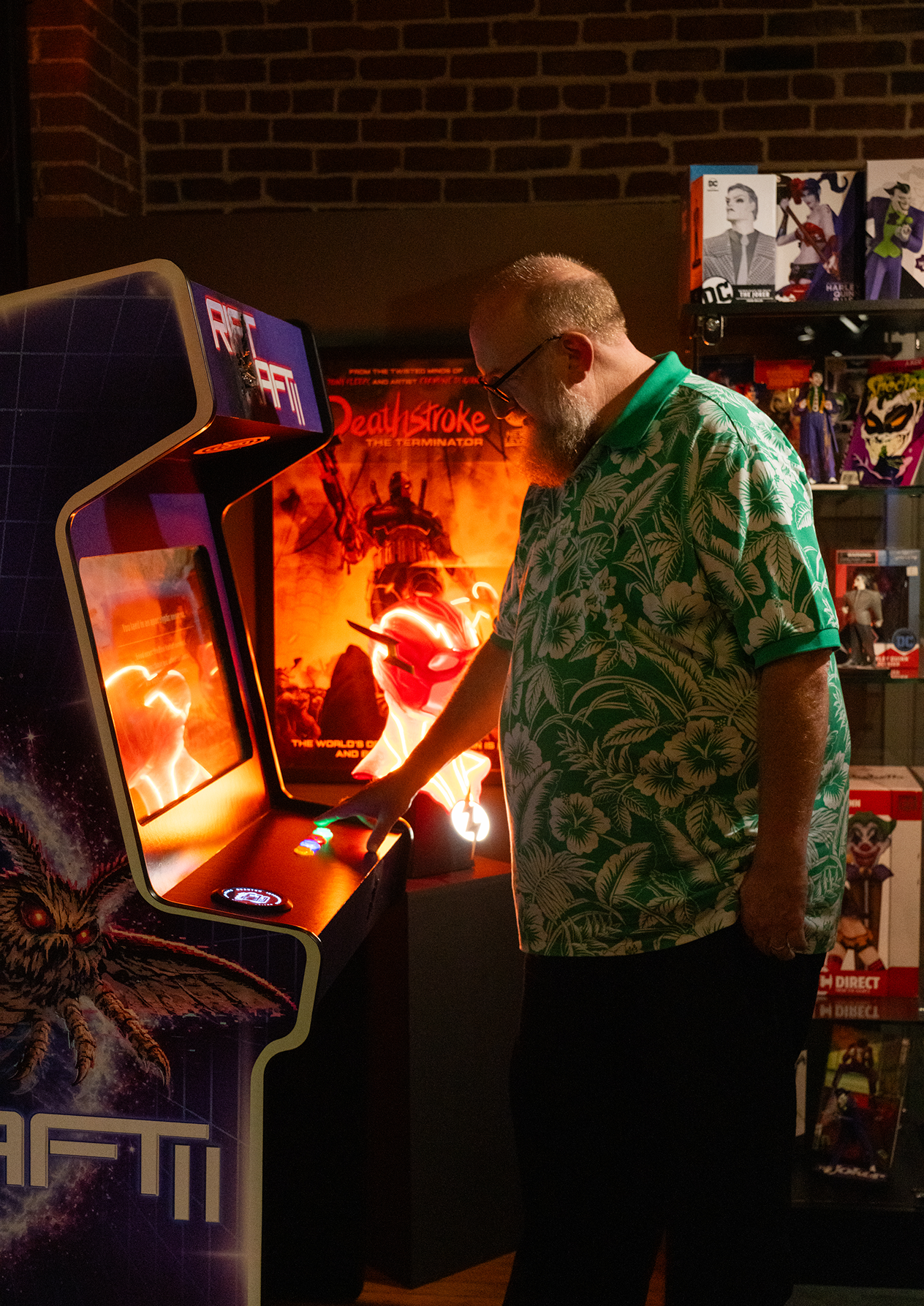
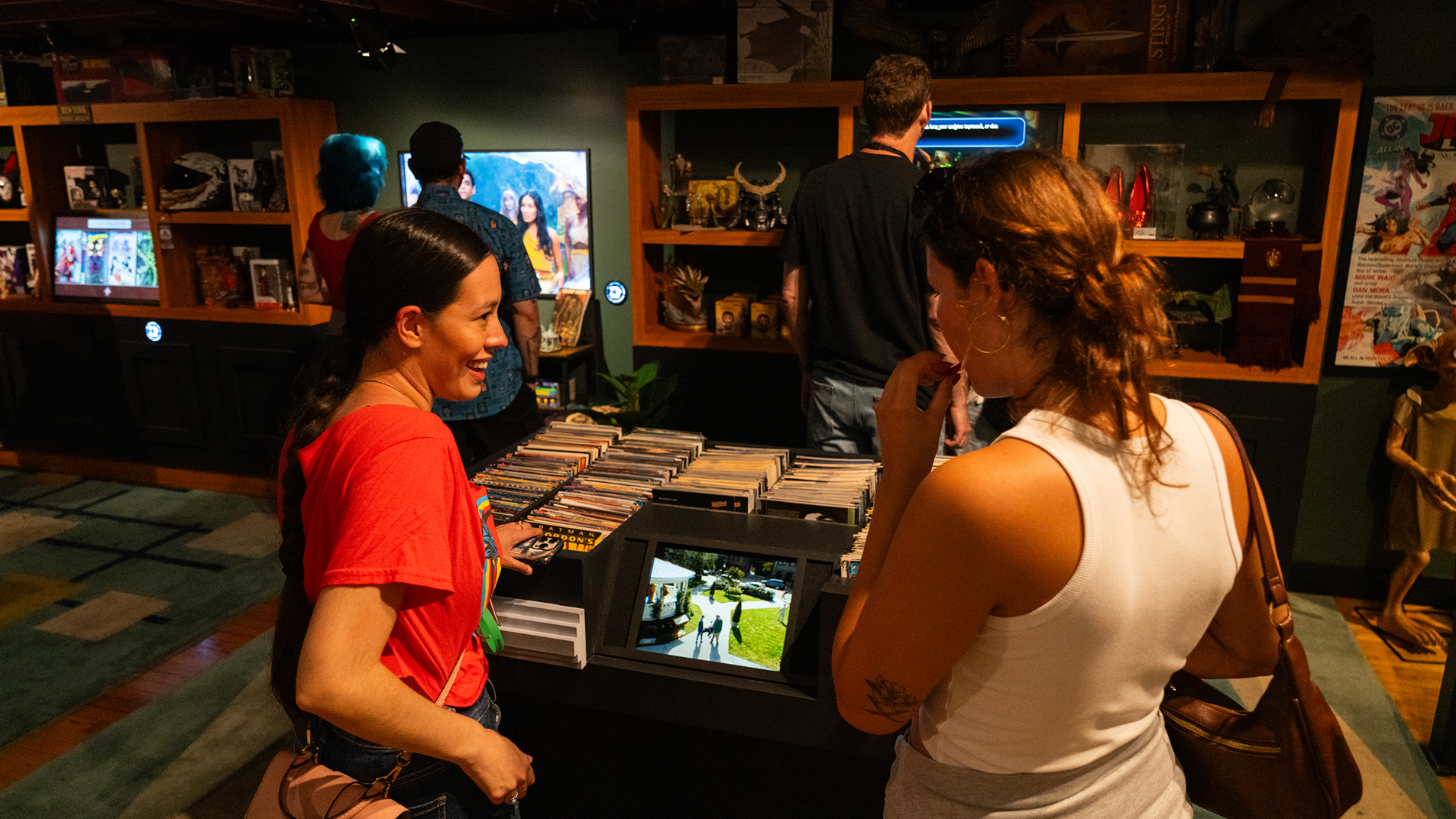
Those decisions didn’t just change what appeared on a screen. We designed the physical environment to react alongside the story. Depending on a guest’s choices, lighting shifted, sound effects fired, figures moved and spoke, content changed, and unexpected interactions emerged from objects throughout the comic shop. Posters, arcade cabinets, maps, shelving, props, and even wizard potions became part of the interface.
Those decisions didn’t just change what appeared on a screen. We designed the physical environment to react alongside the story. Depending on a guest’s choices, lighting shifted, sound effects fired, figures moved and spoke, content changed, and unexpected interactions emerged from objects throughout the comic shop. Posters, arcade cabinets, maps, shelving, props, and even wizard potions became part of the interface.
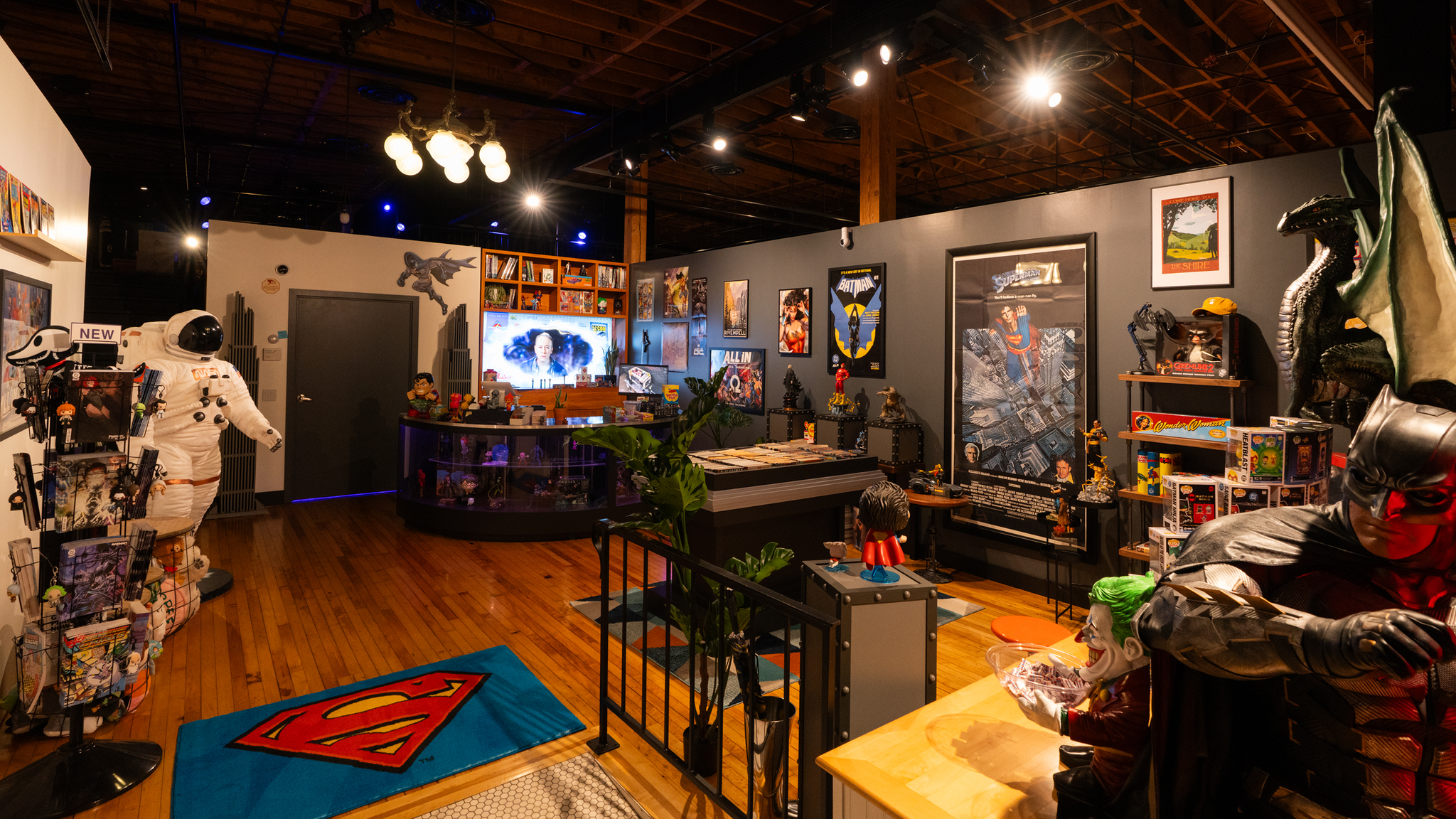
Behind all of it was a custom show-control ecosystem built to manage an enormous amount of variability inside a relatively small footprint. Every touchpoint contained its own combination of screens, speakers, RFID readers, lighting, buttons, touchscreens, cameras, and physical effects. Our system tracked each guest’s journey across the space while simultaneously coordinating hundreds of pieces of content, animation, audio, lighting, and physical hardware.
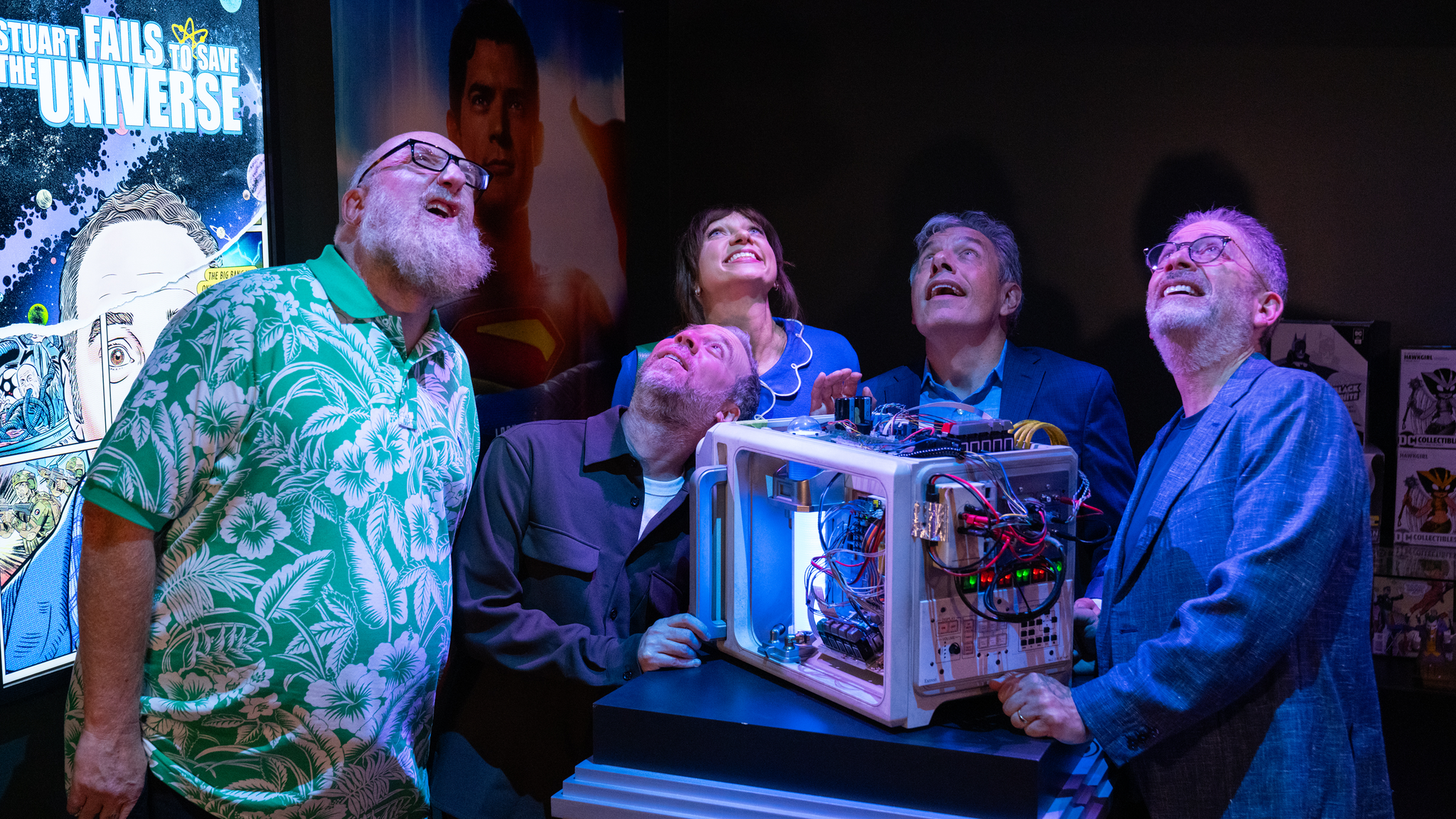
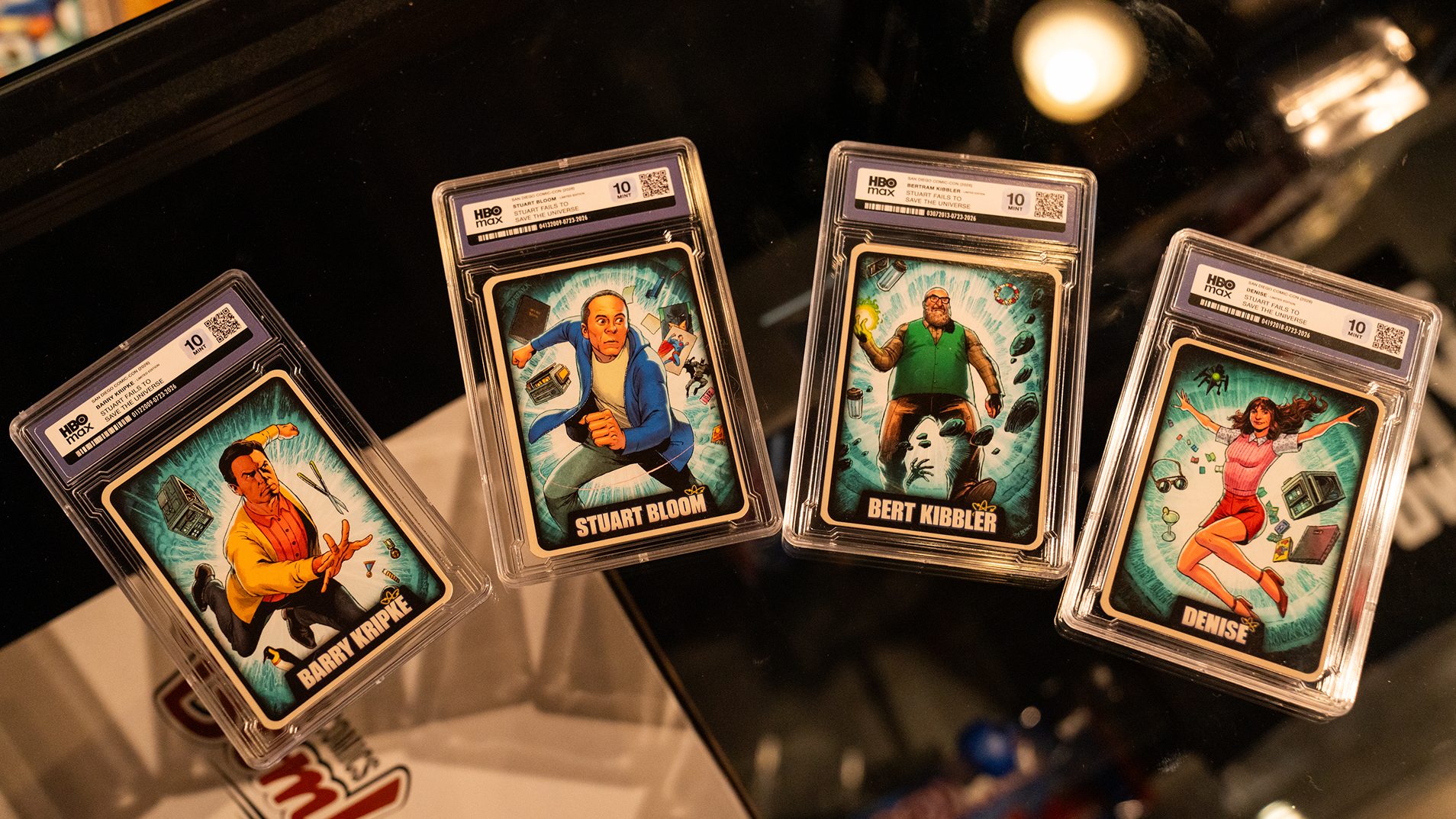
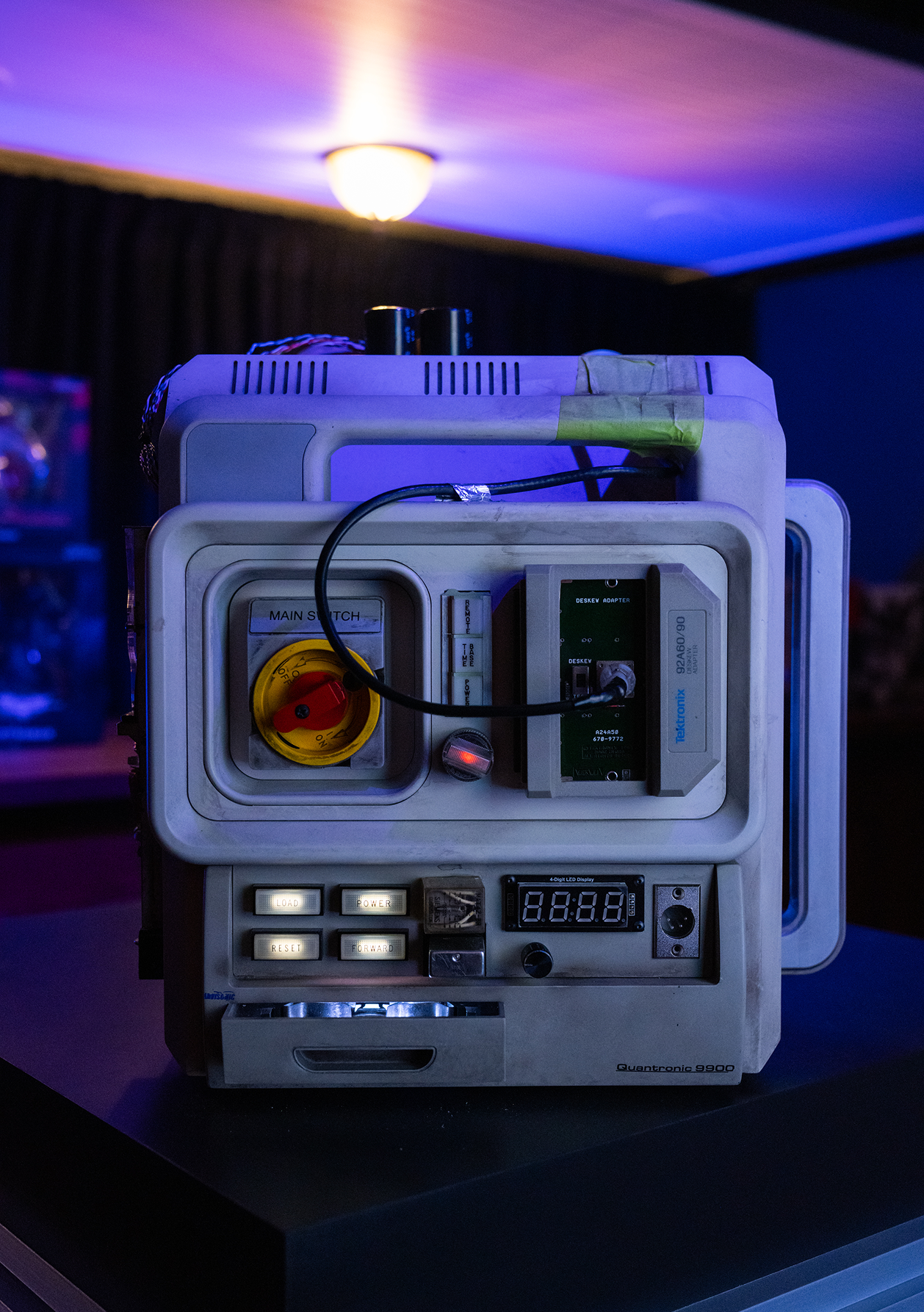
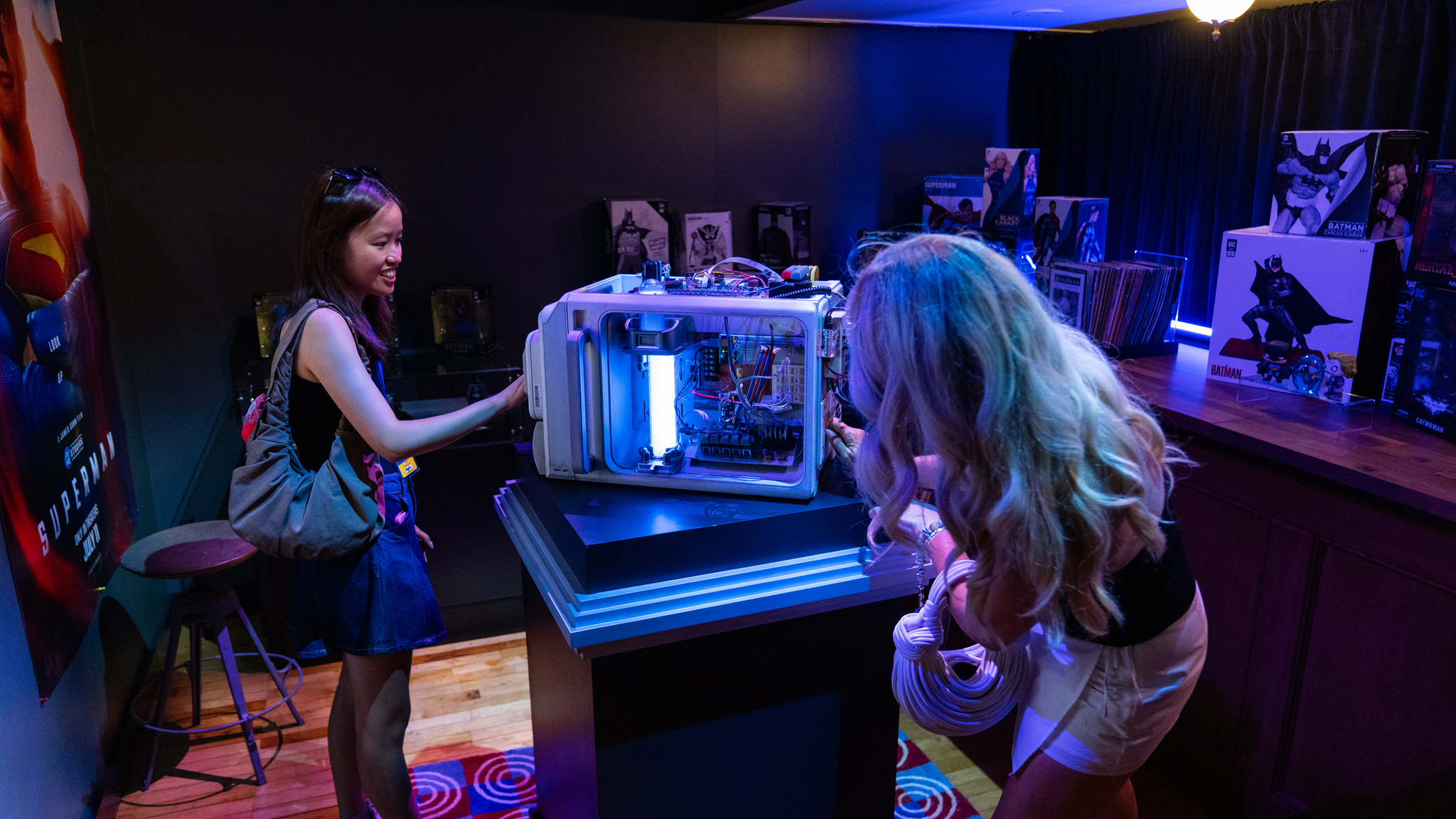
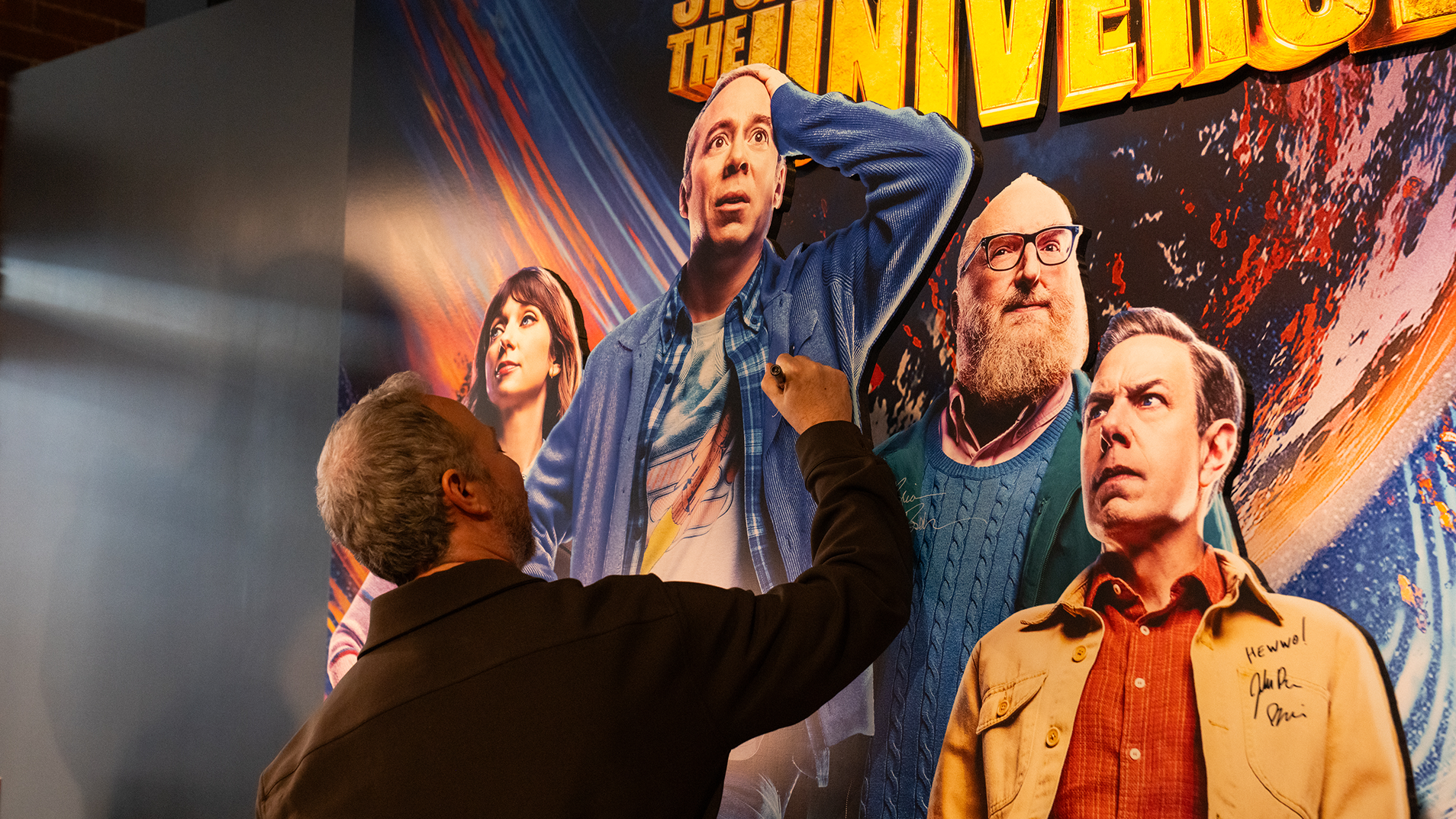
That personalization gave the experience its narrative payoff. Once guests completed their three universes, their choices were calculated into one of four character archetypes: Chaotic, Reasonable, Reluctant Hero, or Gentle Giant. They then reached a finale built around an interactive replica of the device from the show before receiving a physical character card revealing who they had most closely “failed” like.
That personalization gave the experience its narrative payoff. Once guests completed their three universes, their choices were calculated into one of four character archetypes: Chaotic, Reasonable, Reluctant Hero, or Gentle Giant. They then reached a finale built around an interactive replica of the device from the show before receiving a physical character card revealing who they had most closely “failed” like.
The joke, of course, was that everyone was there to fail to save the universe. But we wanted that failure to feel like an accomplishment.
That meant making sure the experience had a real beginning, middle, and end. From Stuart opening the first portal to the final character reveal, we worked carefully to preserve continuity so guests never felt pulled out of the world. Even recognizable props from the series weren’t treated as untouchable display pieces—they could be pressed, activated, explored, and played with.
That meant making sure the experience had a real beginning, middle, and end. From Stuart opening the first portal to the final character reveal, we worked carefully to preserve continuity so guests never felt pulled out of the world. Even recognizable props from the series weren’t treated as untouchable display pieces—they could be pressed, activated, explored, and played with.
That depth mattered. More than 2,600 guests experienced the activation, with wait times reaching roughly two and a half hours. The response we heard again and again was that the experience justified the wait because there was always another detail, reaction, or surprise to discover.
For us, the project also proved something bigger behind the scenes. Nearly 20 pieces of our custom microcontroller ecosystem were deployed throughout the activation, each performing different functions. Because we had built the system as a flexible platform, we could configure radically different interactions without developing every touchpoint from scratch.
For us, the project also proved something bigger behind the scenes. Nearly 20 pieces of our custom microcontroller ecosystem were deployed throughout the activation, each performing different functions. Because we had built the system as a flexible platform, we could configure radically different interactions without developing every touchpoint from scratch.
It was a proof point for how deeply we can integrate creative, physical design, storytelling, and custom technology into a single system and how that system can disappear entirely once the audience steps inside.
At its best, fandom has always offered people ways to get closer to the worlds they love. Once that might have meant buying the comic book. Here, we gave fans the chance to walk through the door, cross into another universe, make their own choices, and become part of the story themselves.
At its best, fandom has always offered people ways to get closer to the worlds they love. Once that might have meant buying the comic book. Here, we gave fans the chance to walk through the door, cross into another universe, make their own choices, and become part of the story themselves.