Sundown
Sundown
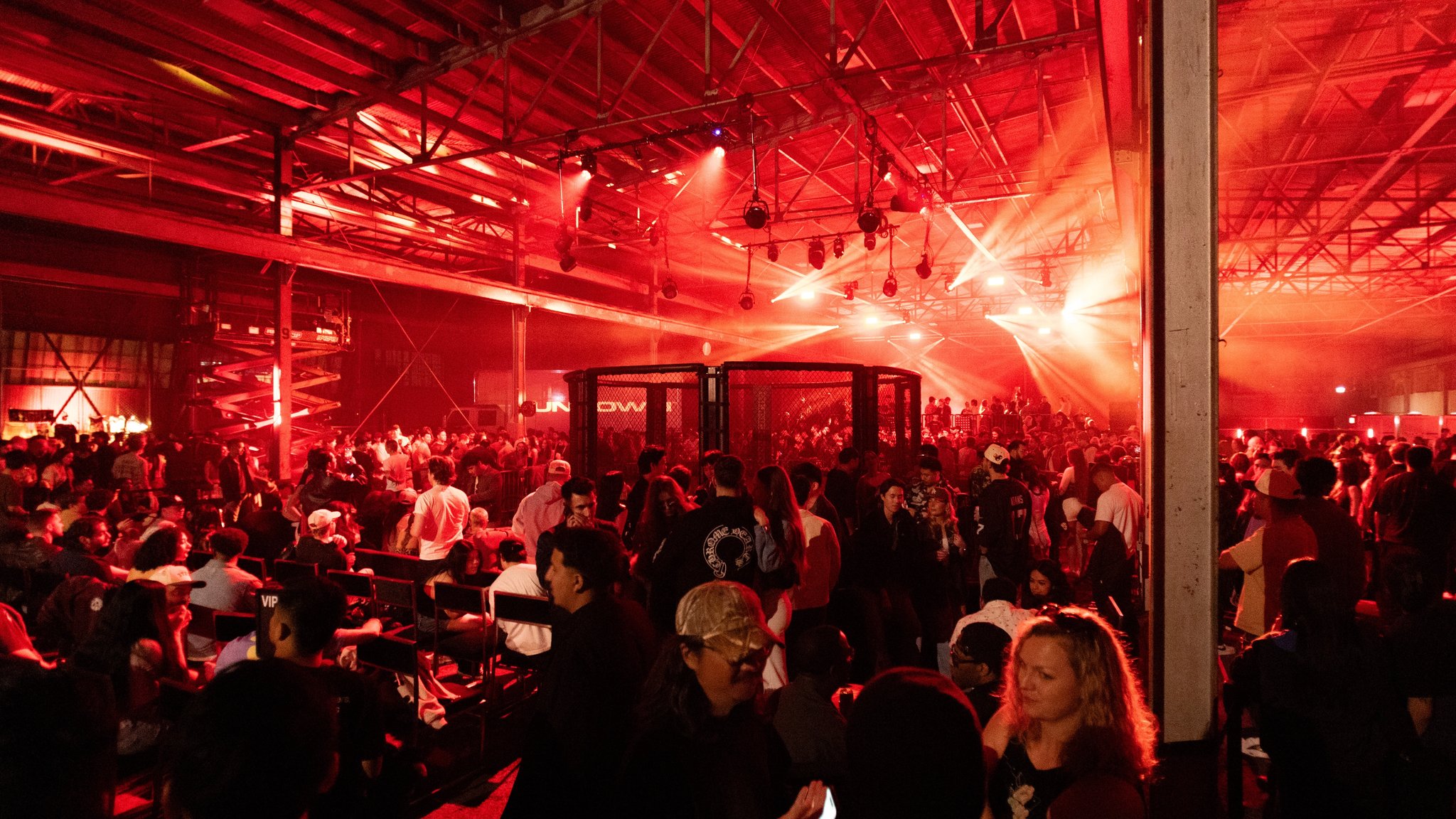
Series 0014098 Sundown started as an invitation to build something that didn’t have a reference point. There was no league model to follow, no brand guidelines to interpret, no precedent to reverse engineer. The ambition was simple and wildly open-ended at the same time: create a new format for combat sports — one that lived at the intersection of MMA, music, and culture — and see if it could hold a room. Inside a raw warehouse in Los Angeles, we helped bring that vision to life.
Scope
- Projection Mapping
- Operation / Support
- Live Action Shoot
- Creative Direction
- Lighting Design
- Narrative & Strategy
- Audio / Visual Production
- Experiential Design
- Spatial Design
- Project Management
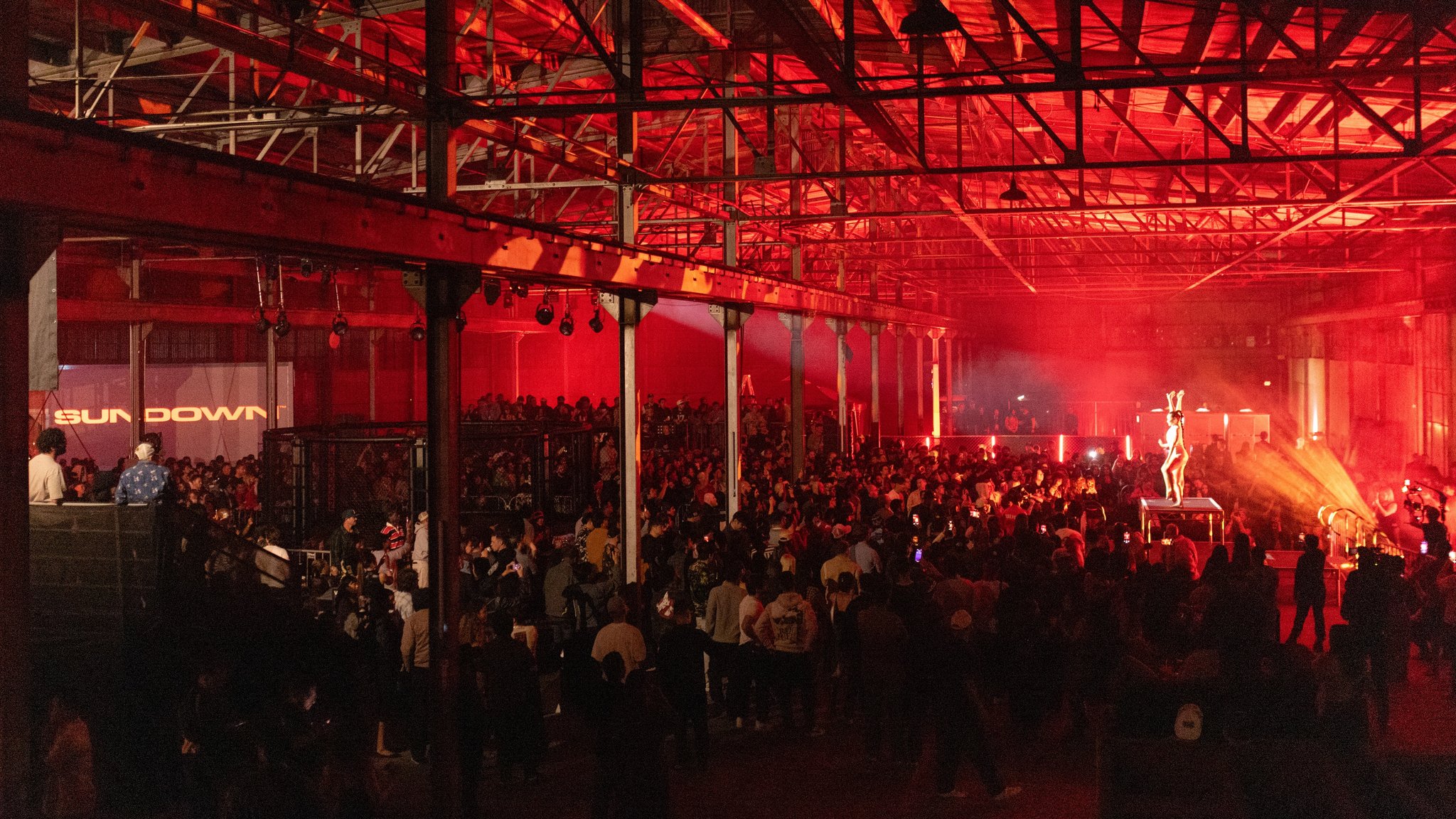
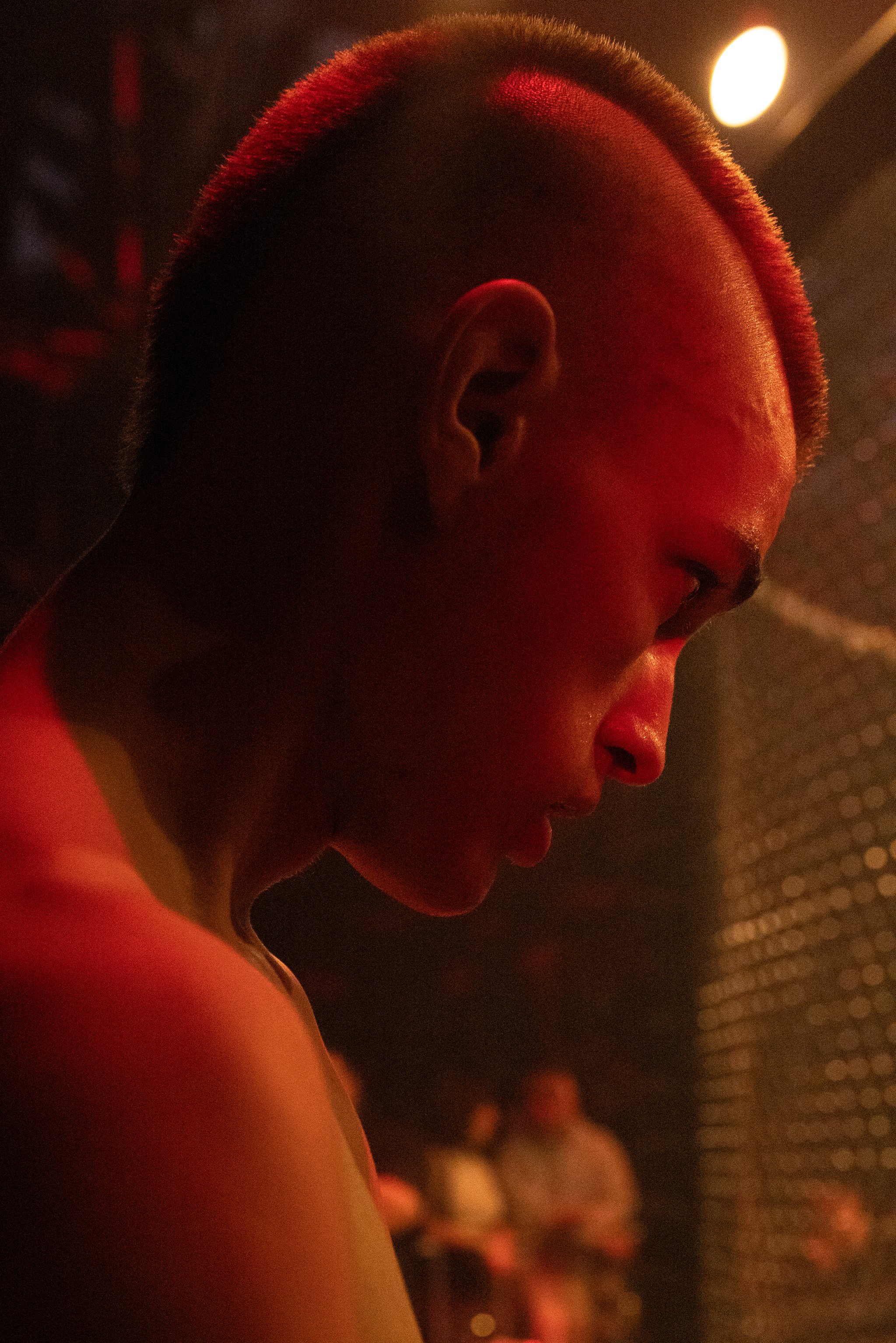
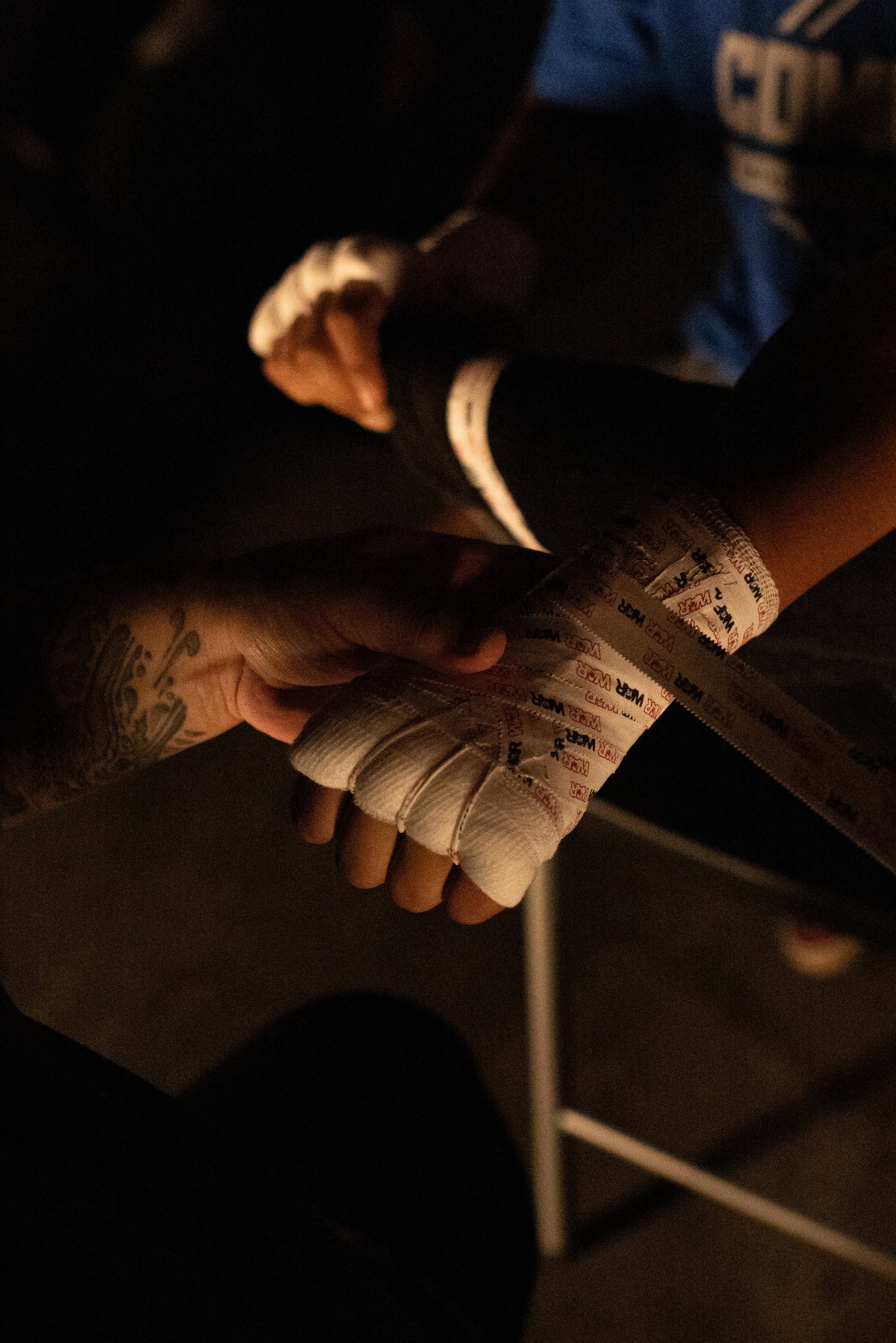
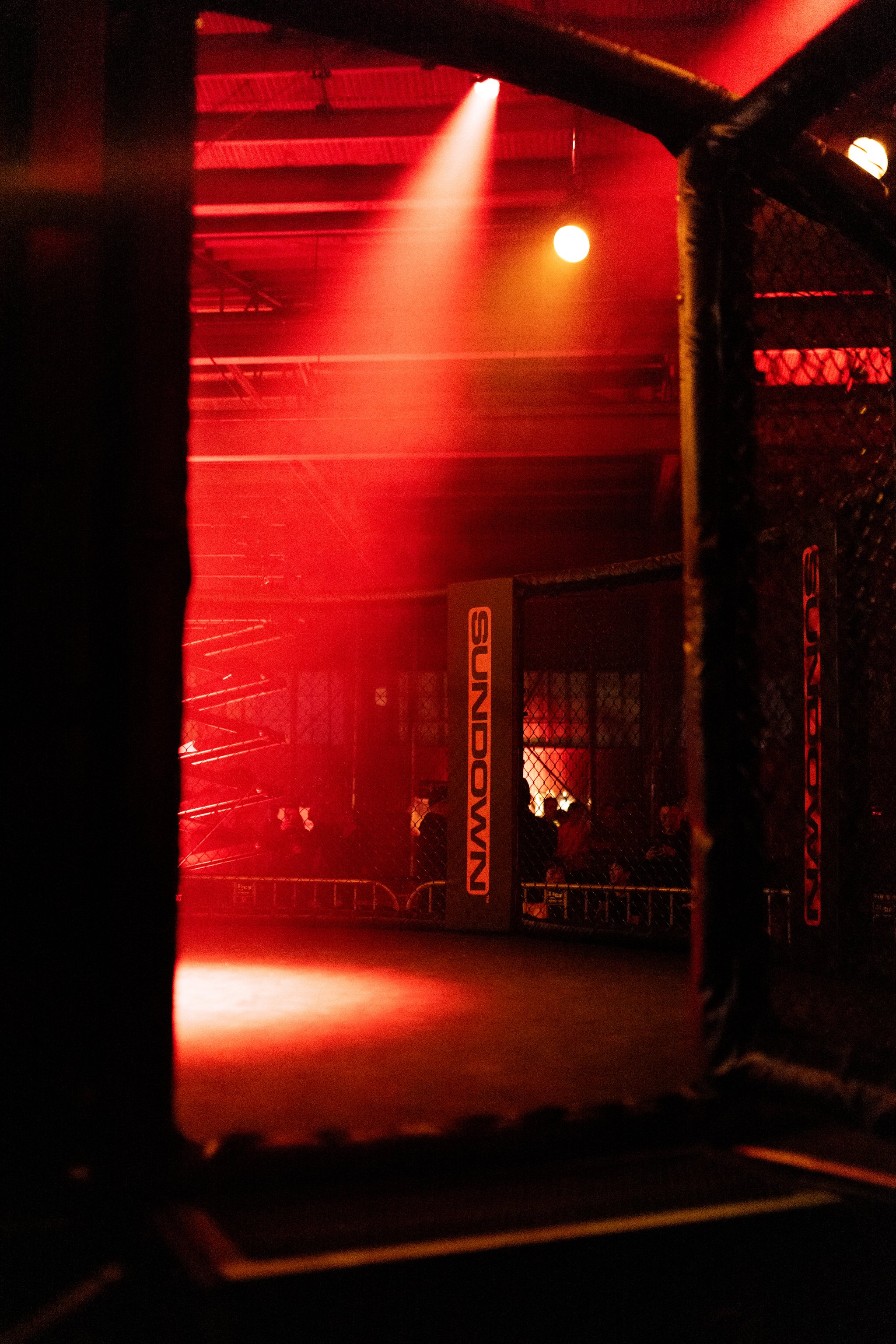
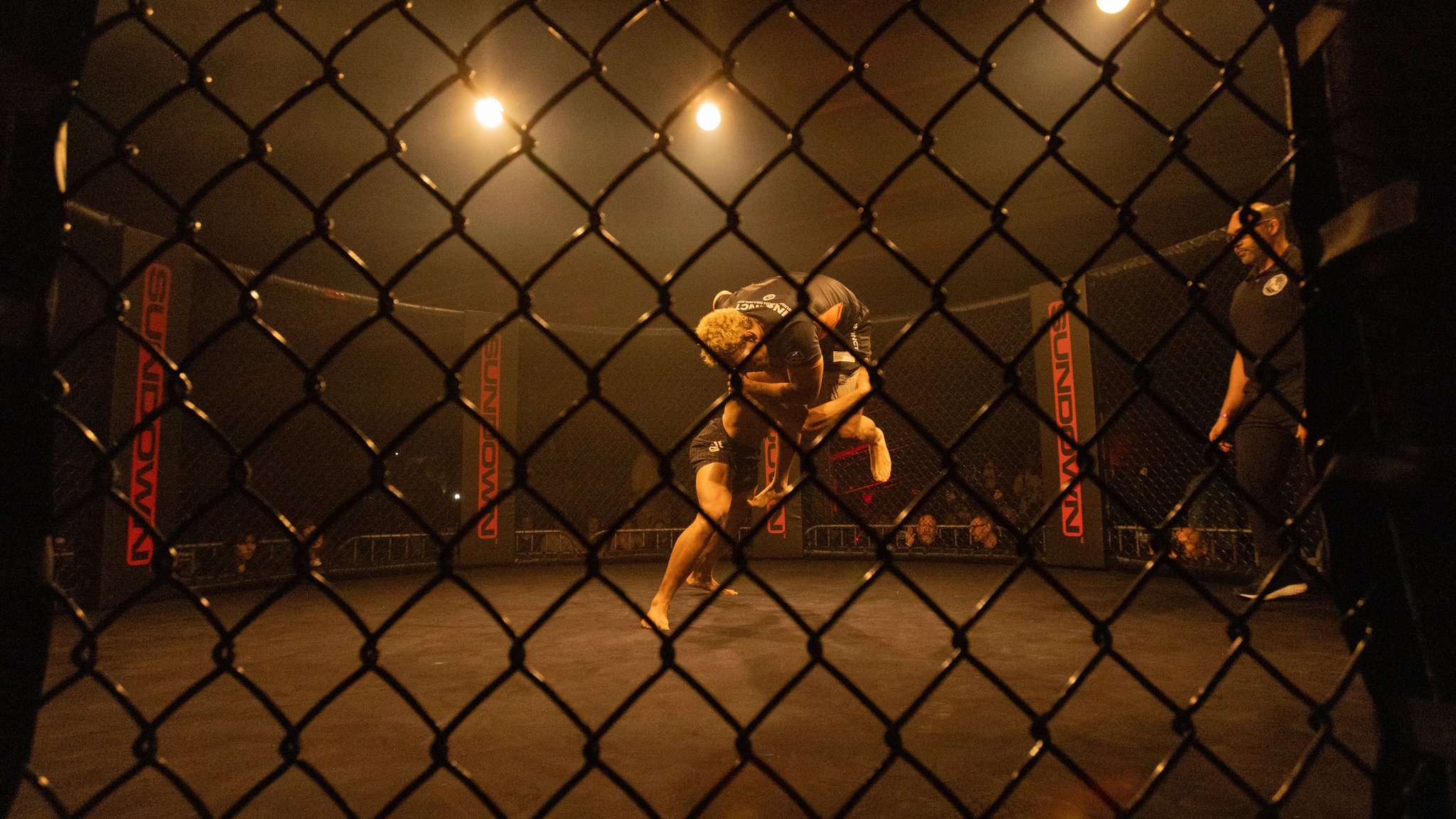
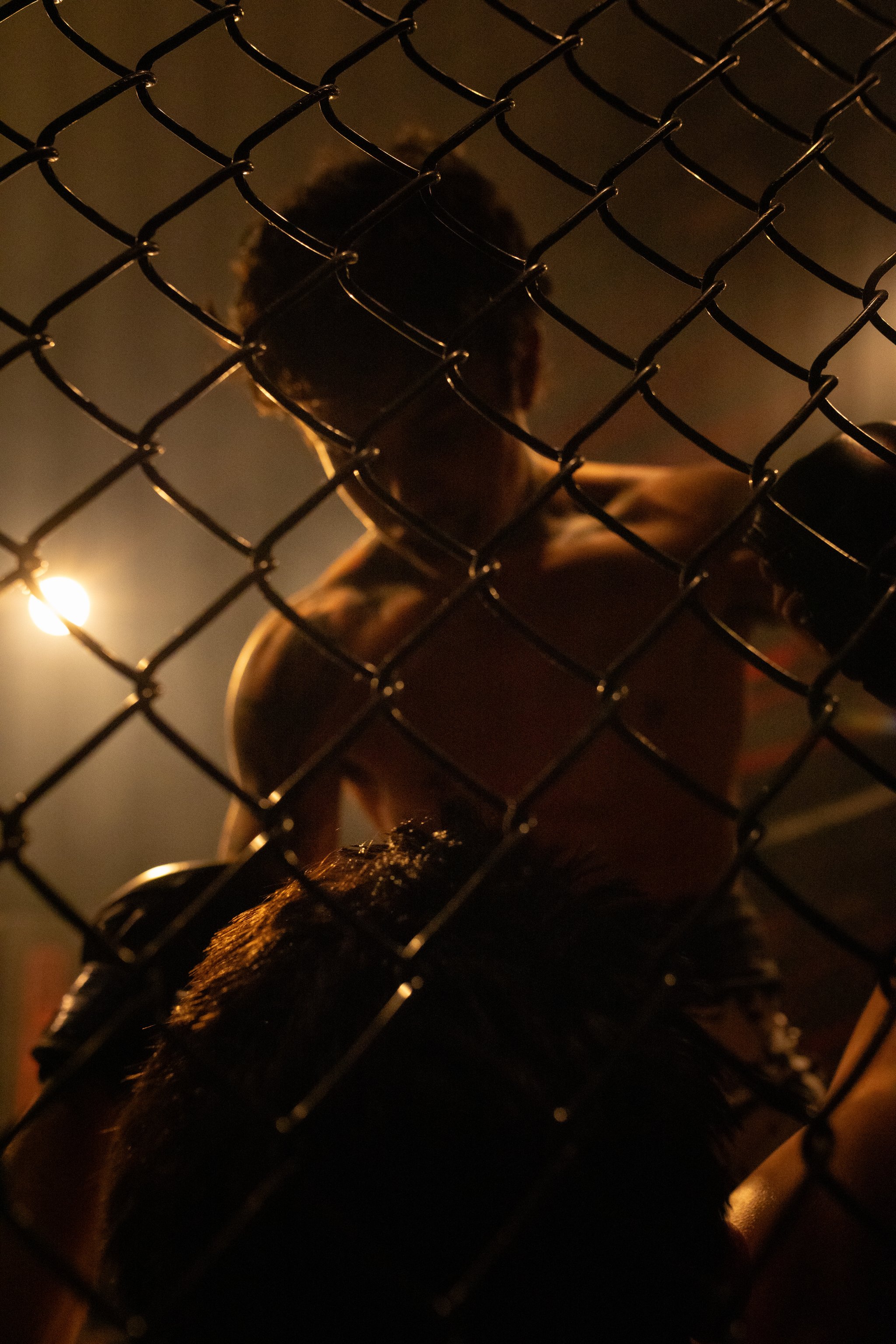
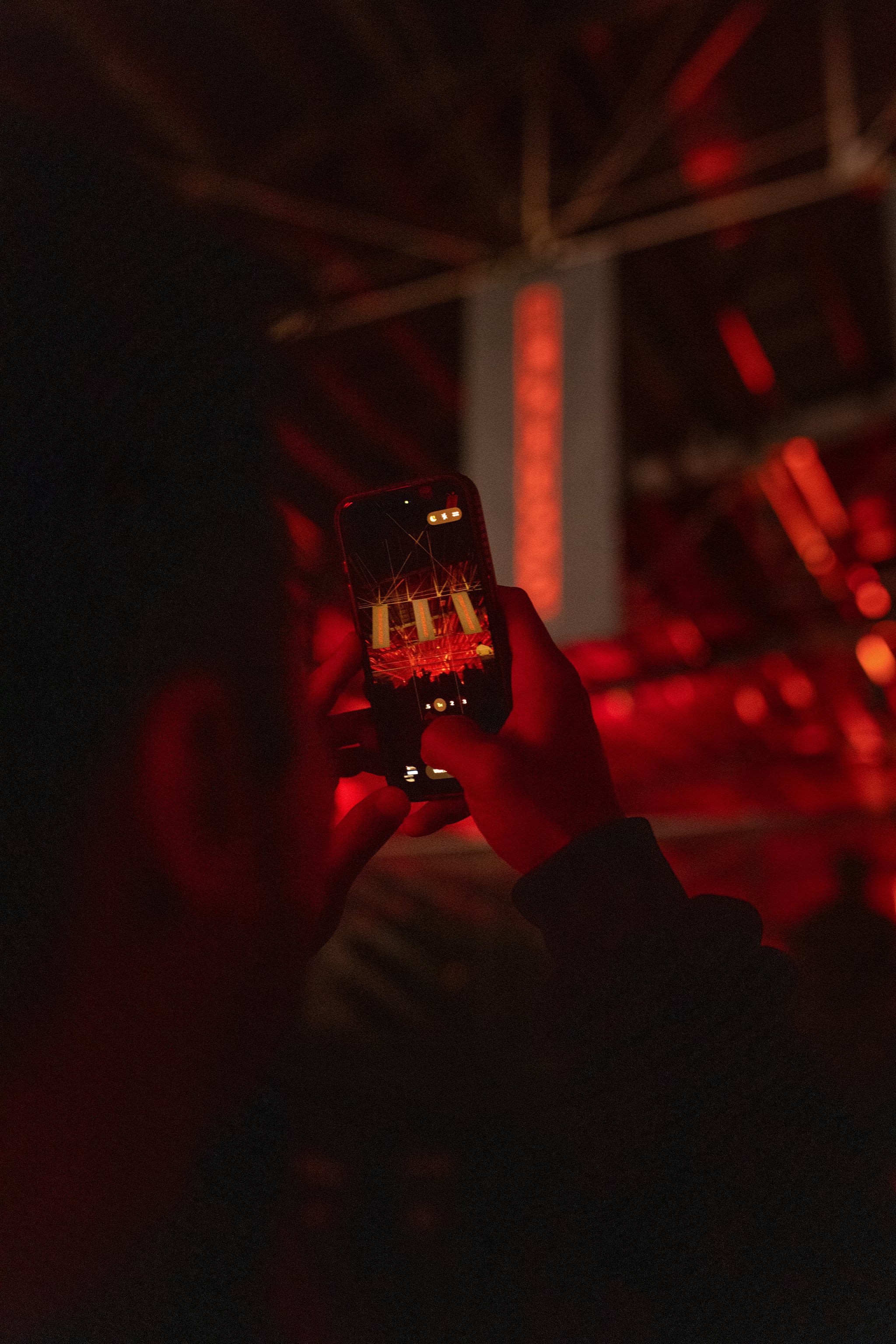
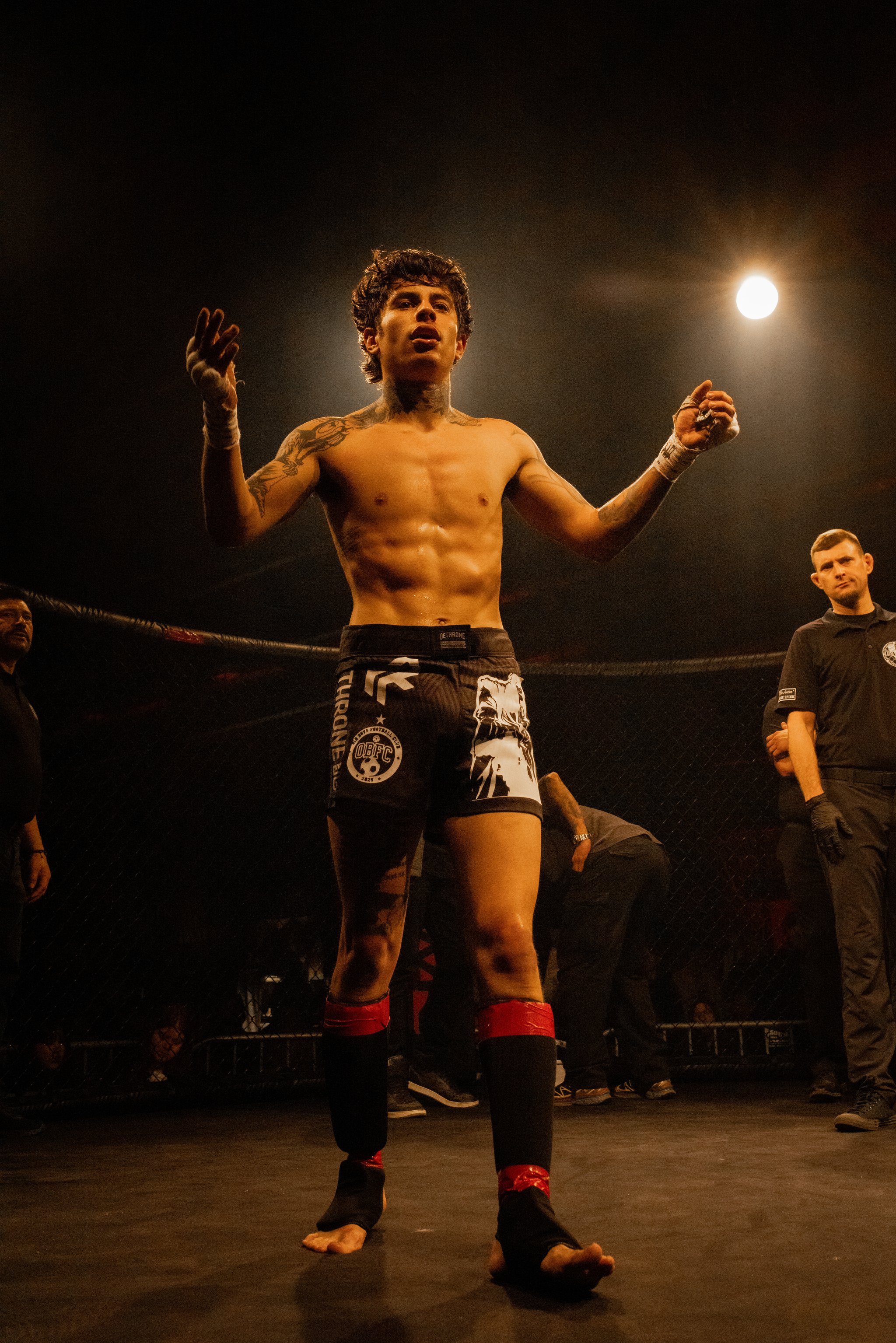
At its core, Sundown was a fight night. But it didn’t behave like one. The production felt closer to a concert than a traditional card. DJs didn’t feel like intermissions. The crowd didn’t sit politely in rows. The energy didn’t reset between moments — it escalated.
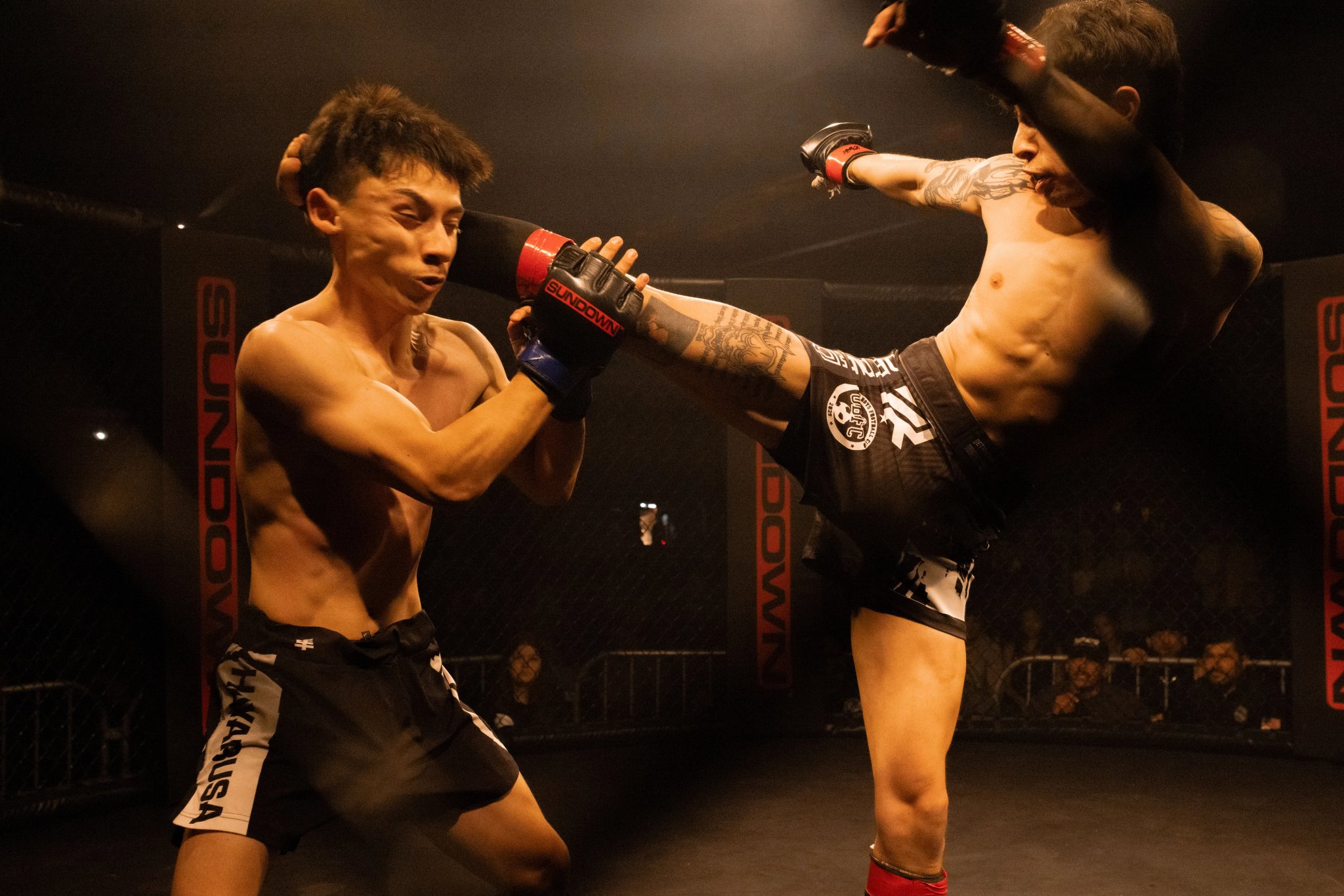
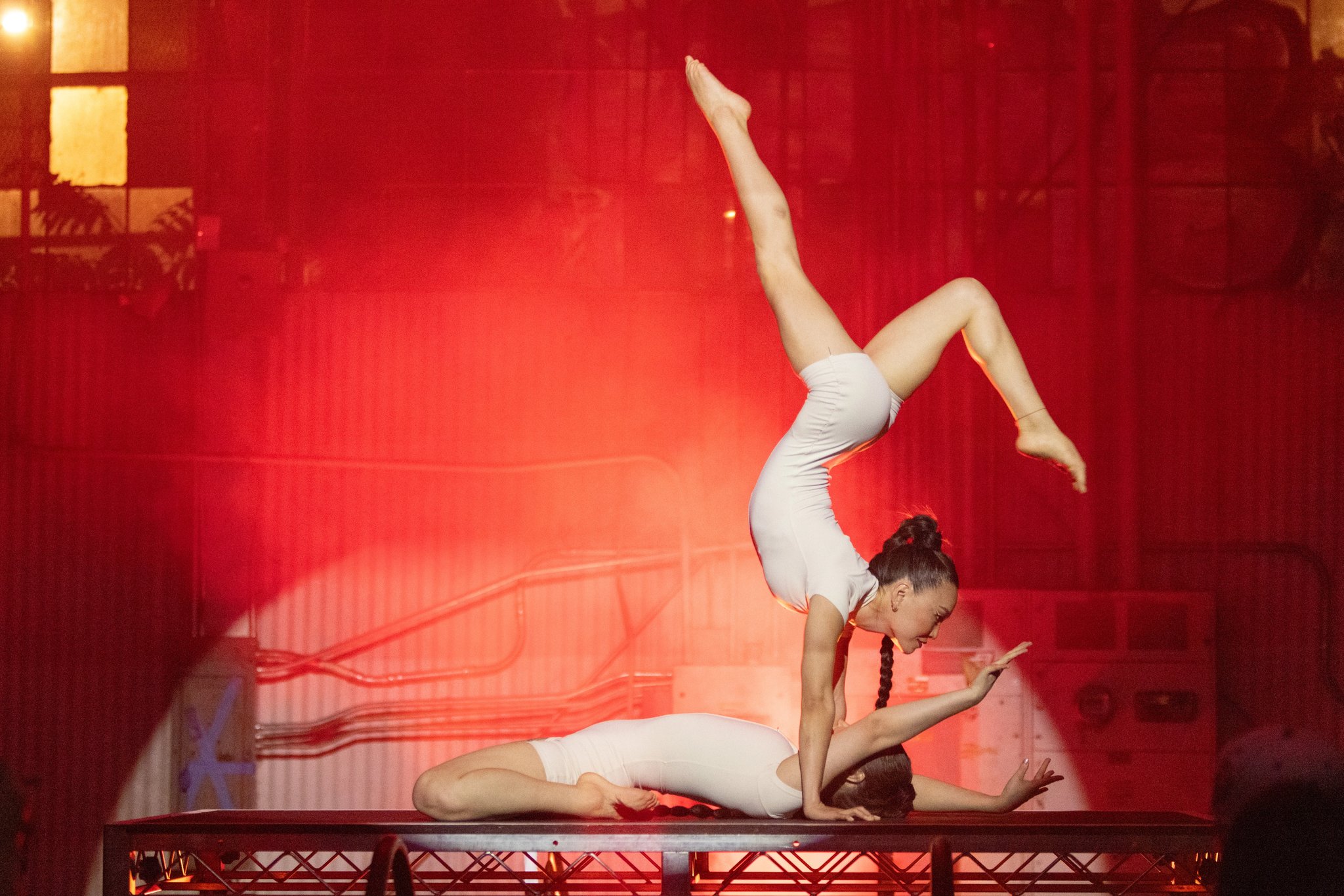
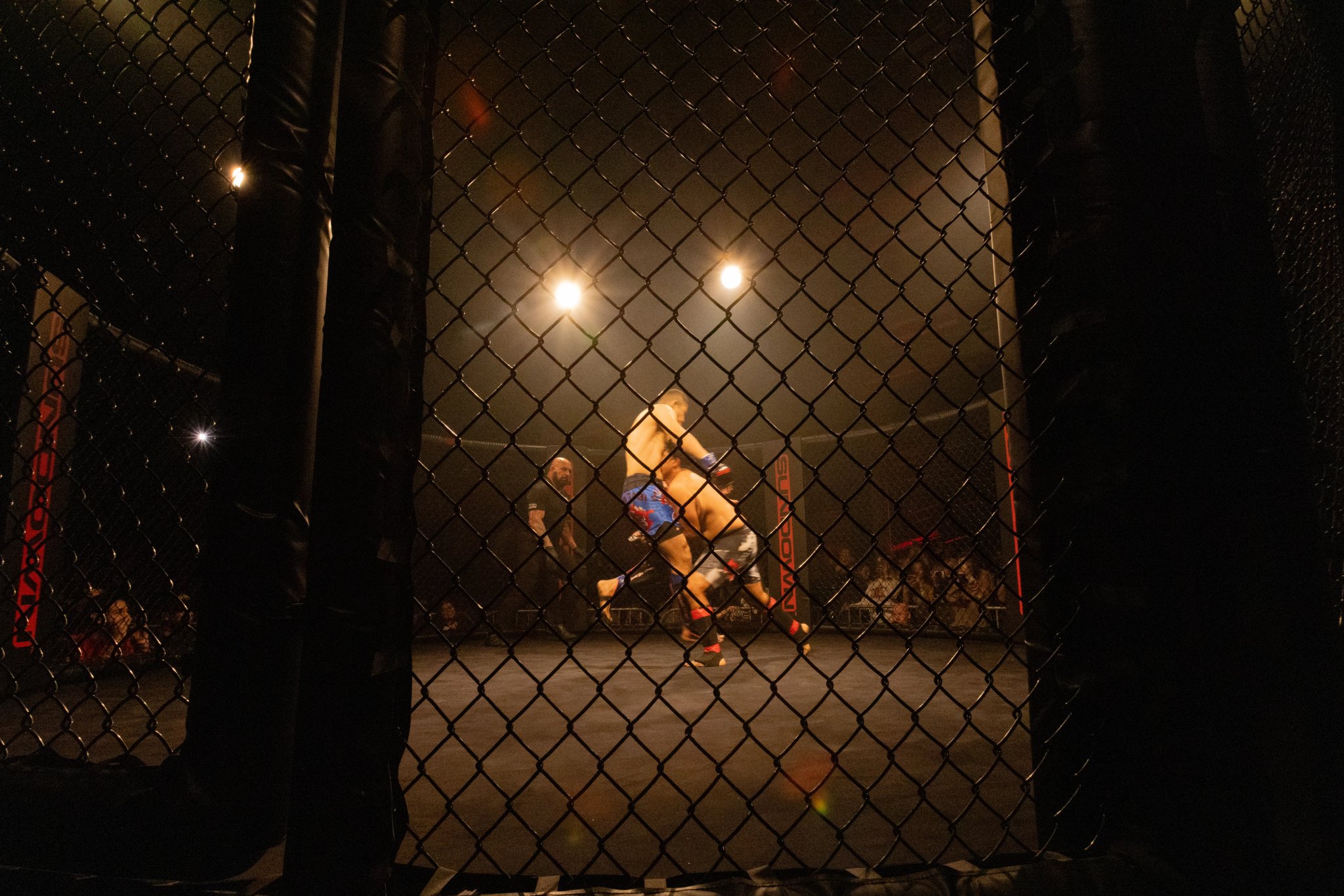
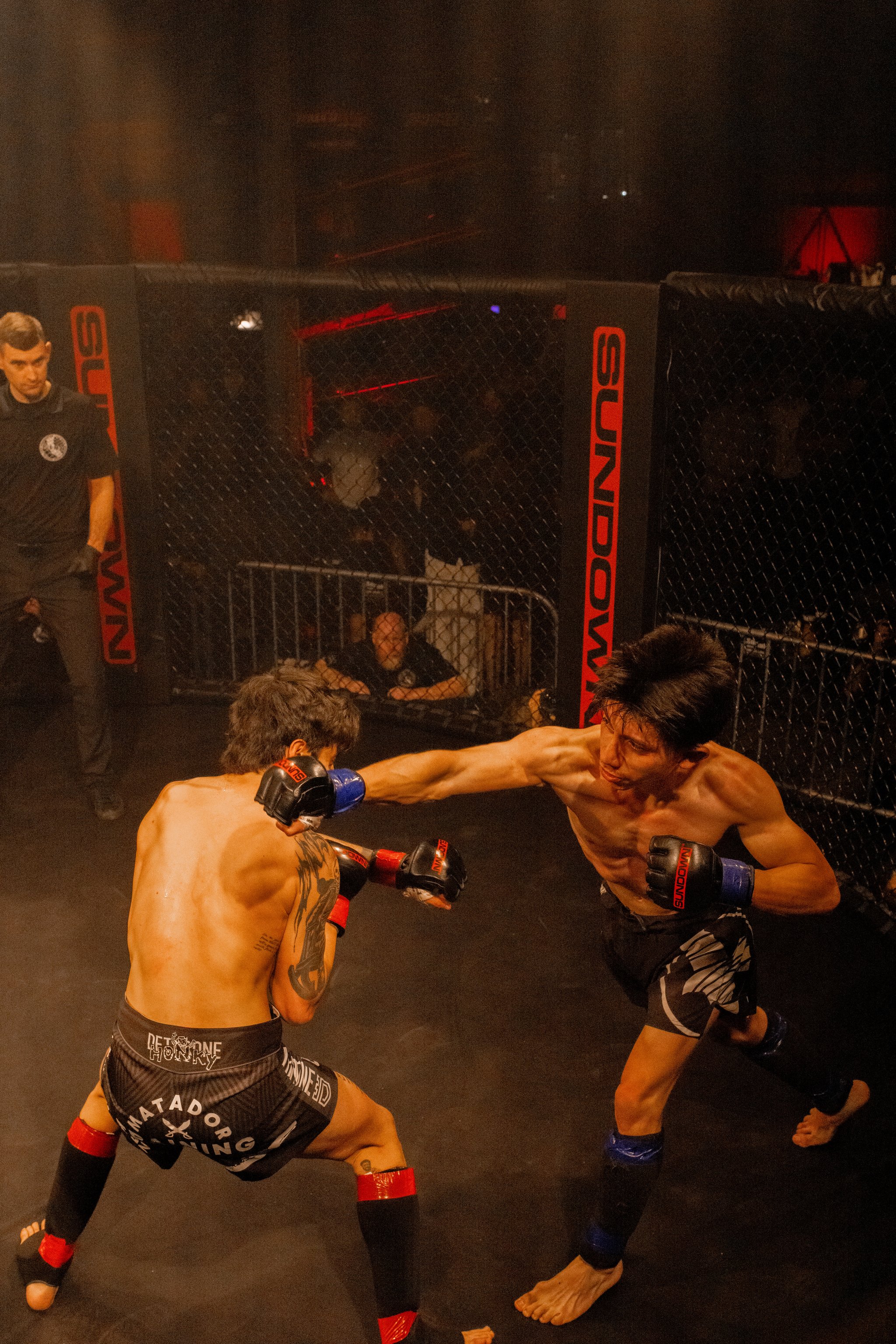
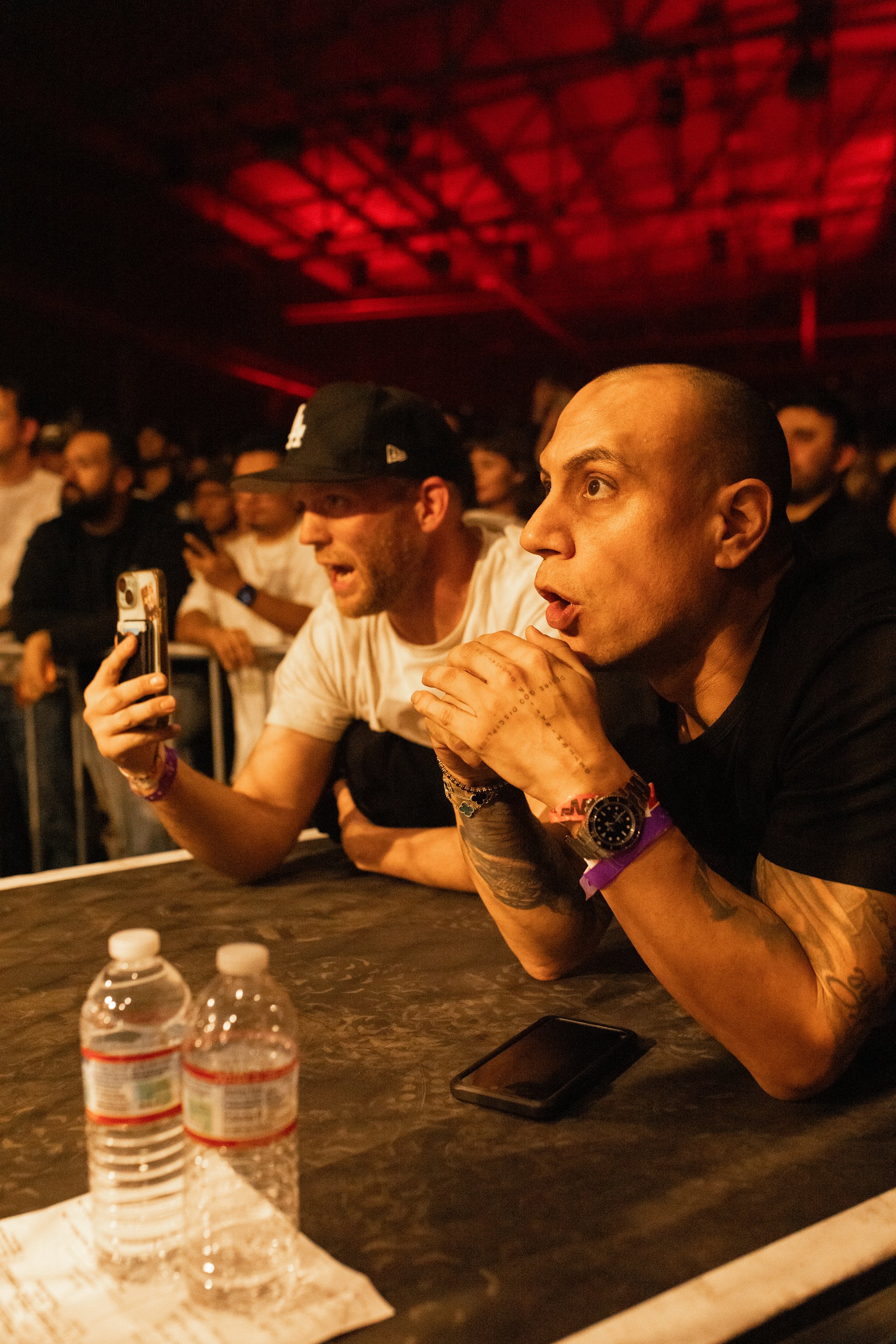
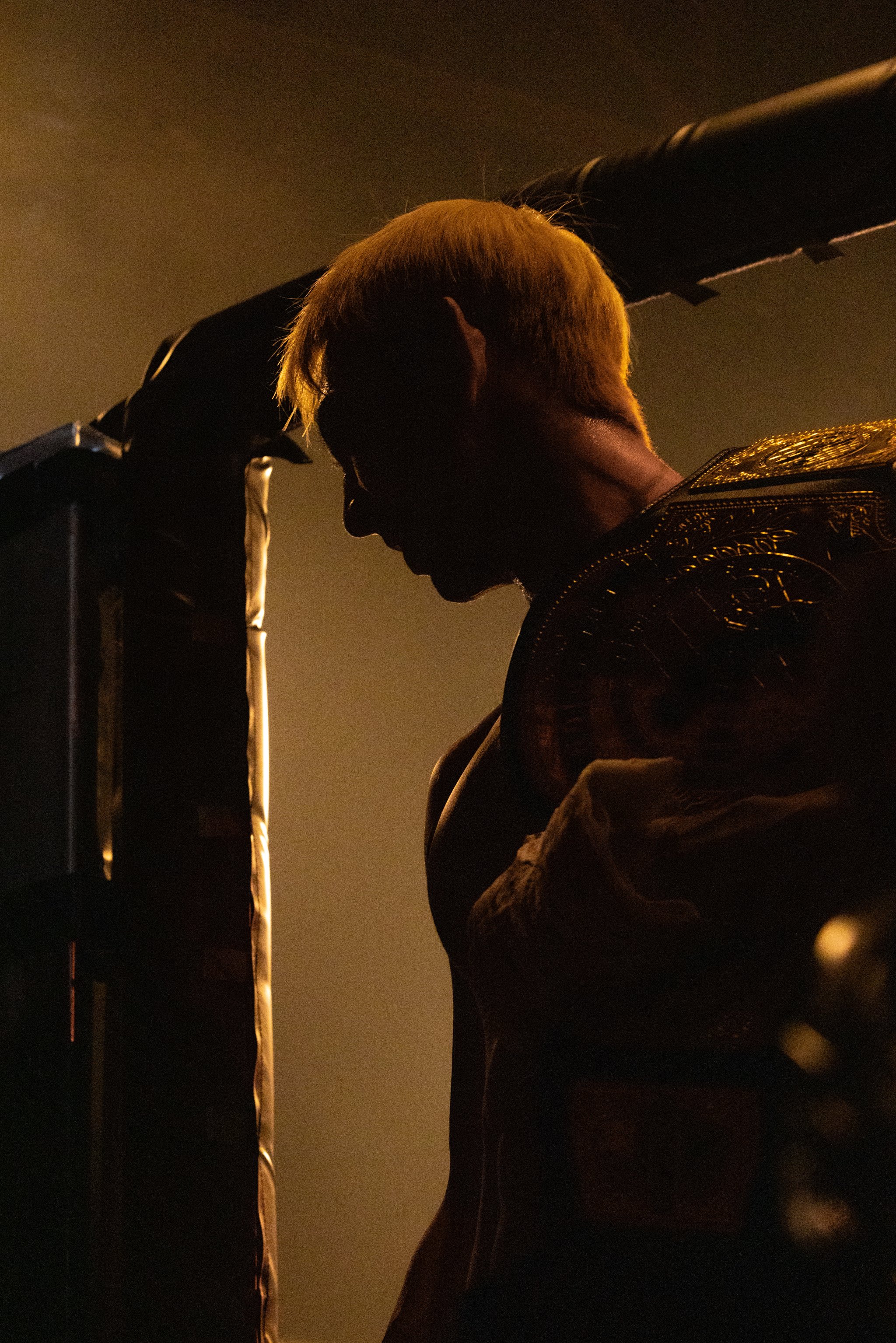
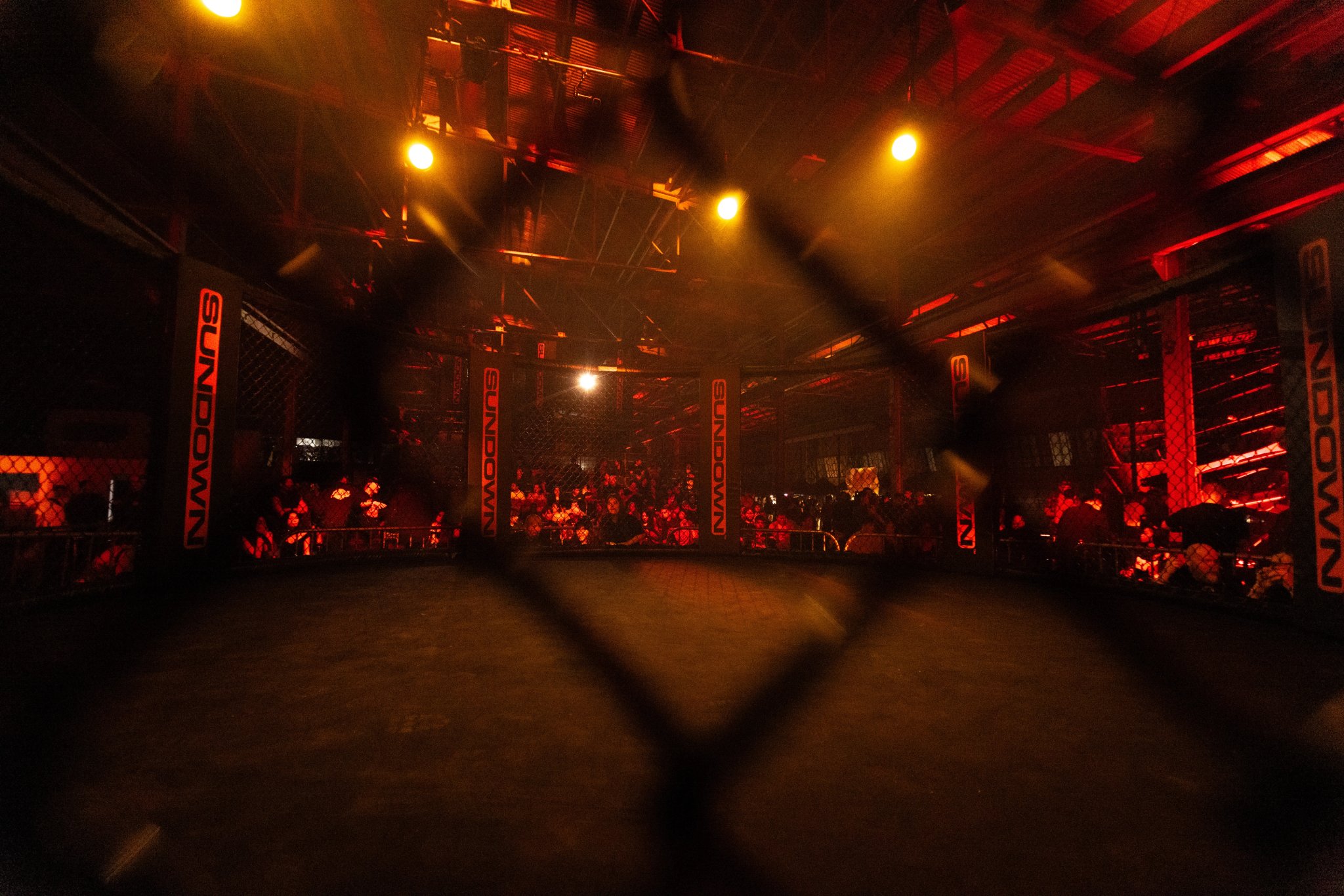
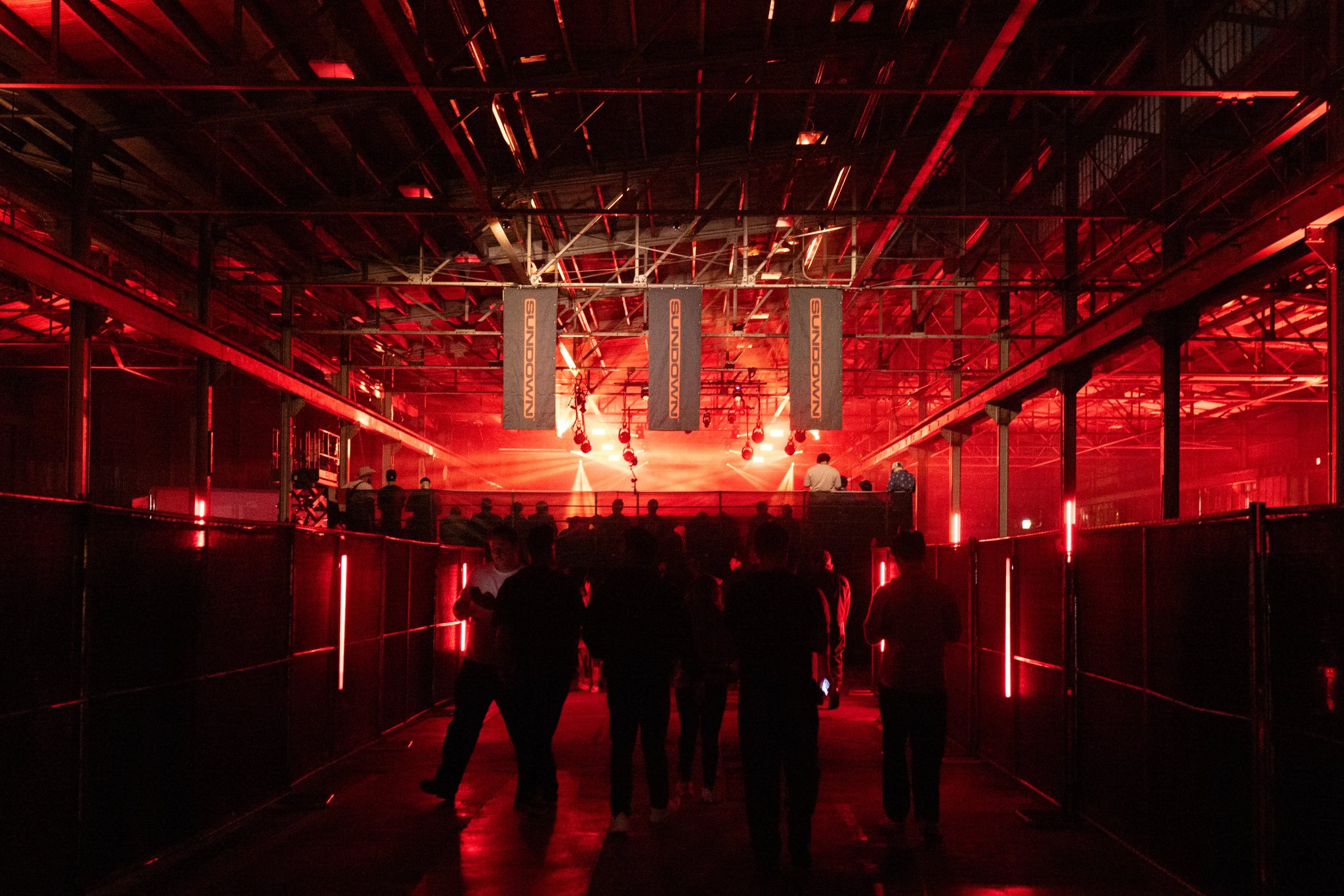
The ring became our anchor. We placed it dead center in the warehouse, allowing everything else — lighting, audio, VIP tables, GA flow, DJ positioning — to orbit around it. That single spatial decision shaped the entire experience. Instead of segmenting fight and nightlife into separate acts, the room functioned as one continuous environment. The spectacle lived in the round. The crowd became part of the choreography.
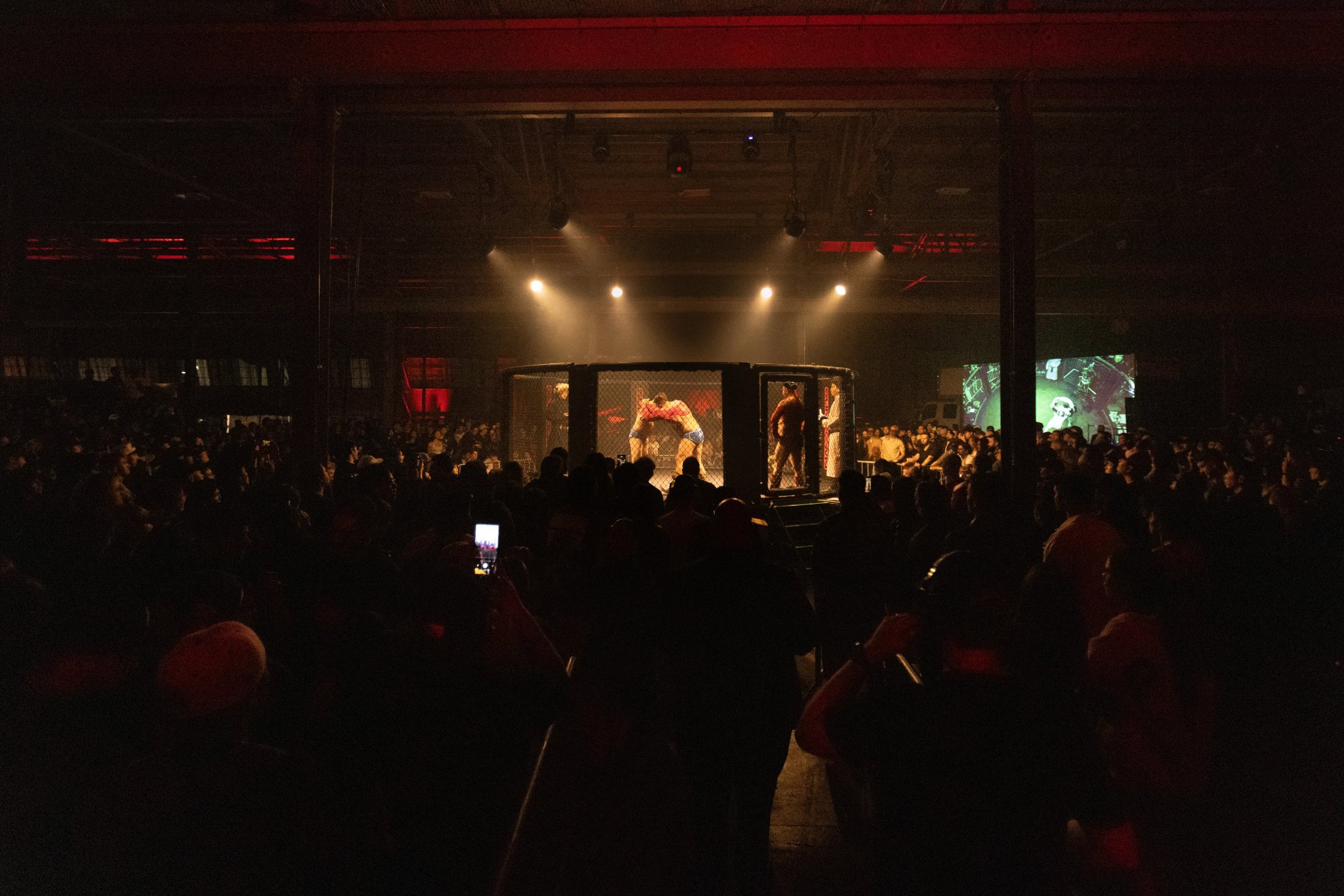
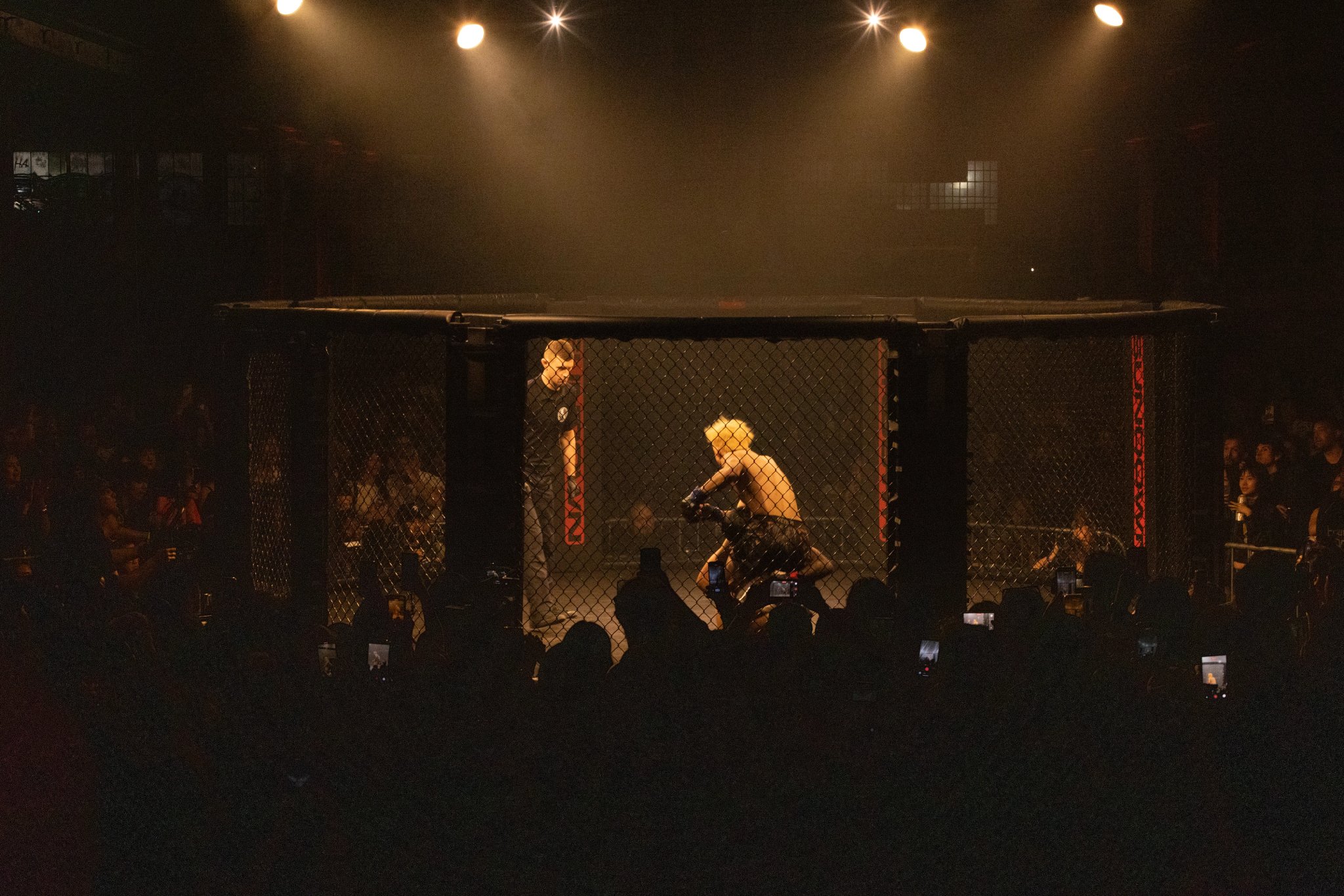
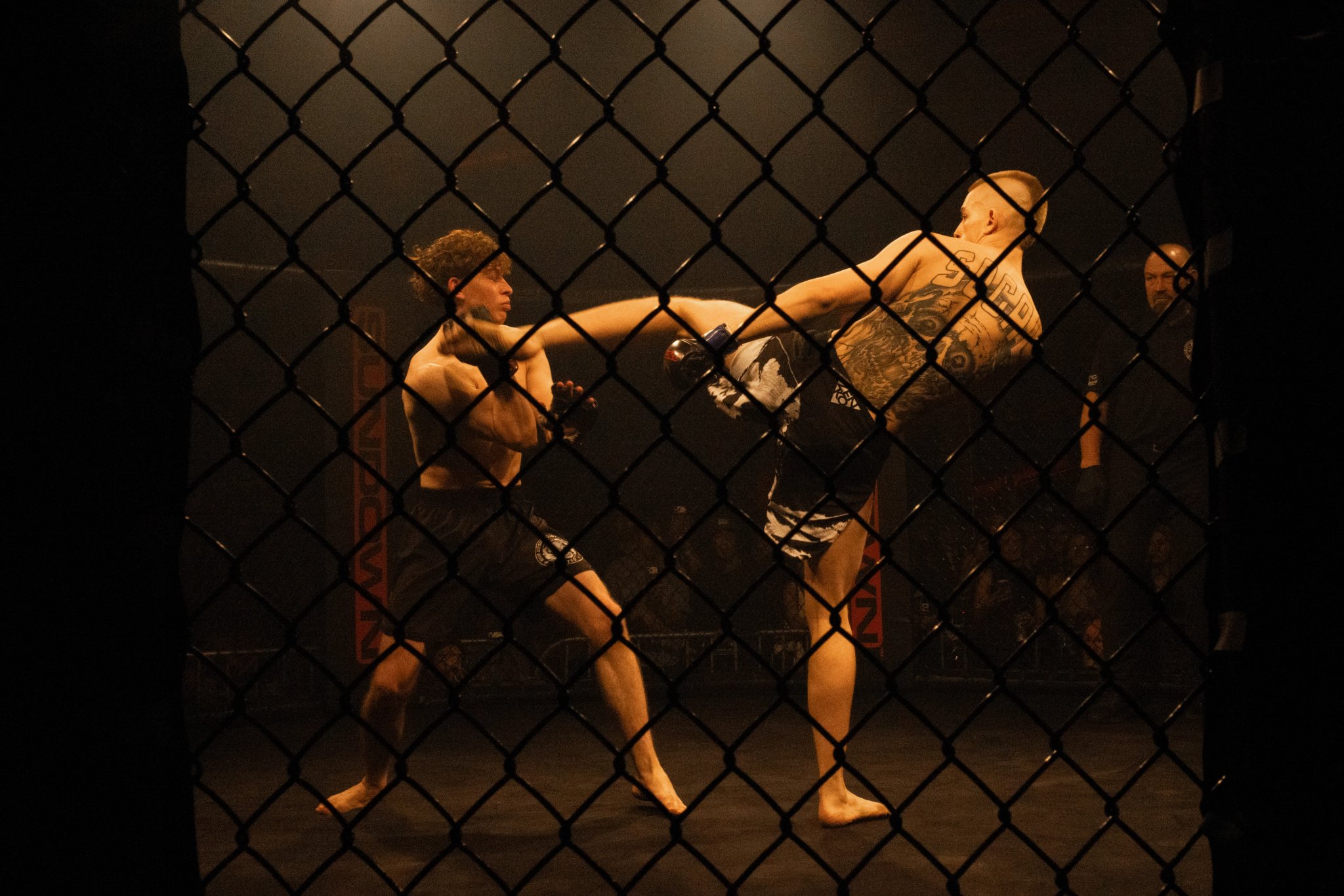
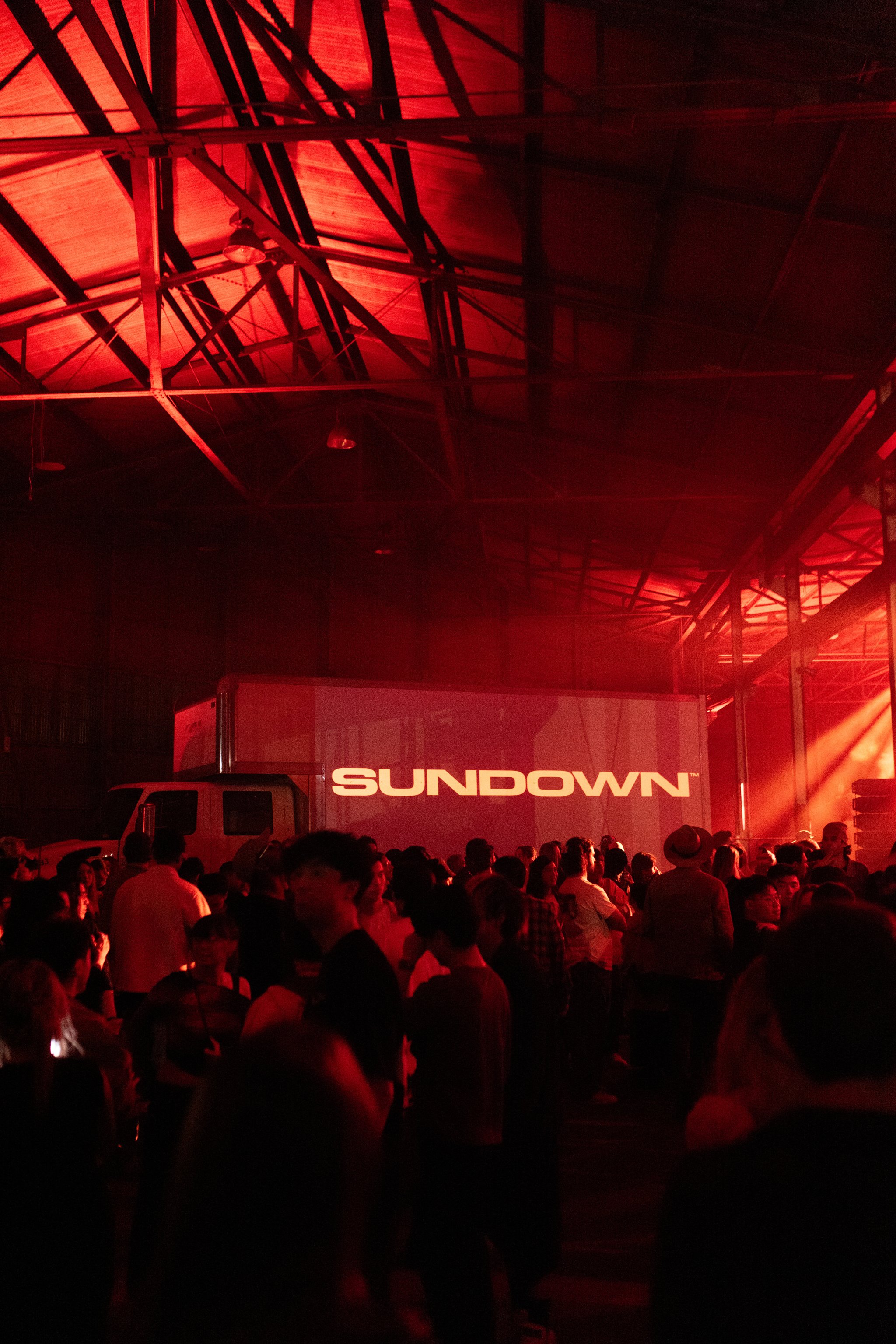
Designing inside a warehouse meant building from infrastructure up. Power drops, sightlines, circulation, production rigging — every move had to work with the realities of the space. We leaned into a stripped-back, industrial aesthetic rather than fighting it. Exposed decking. Raw lighting. A rave-adjacent energy that felt intentional, not budget-driven. The environment didn’t pretend to be something else. It amplified what it already was.
What made Sundown different for us wasn’t just the format — it was the freedom. There were no guardrails. No inherited identity. We weren’t interpreting a brand. We were helping shape one in real time. That meant our team could take real ownership — make bold spatial decisions, test integrations, and design a flow that prioritized energy over tradition.
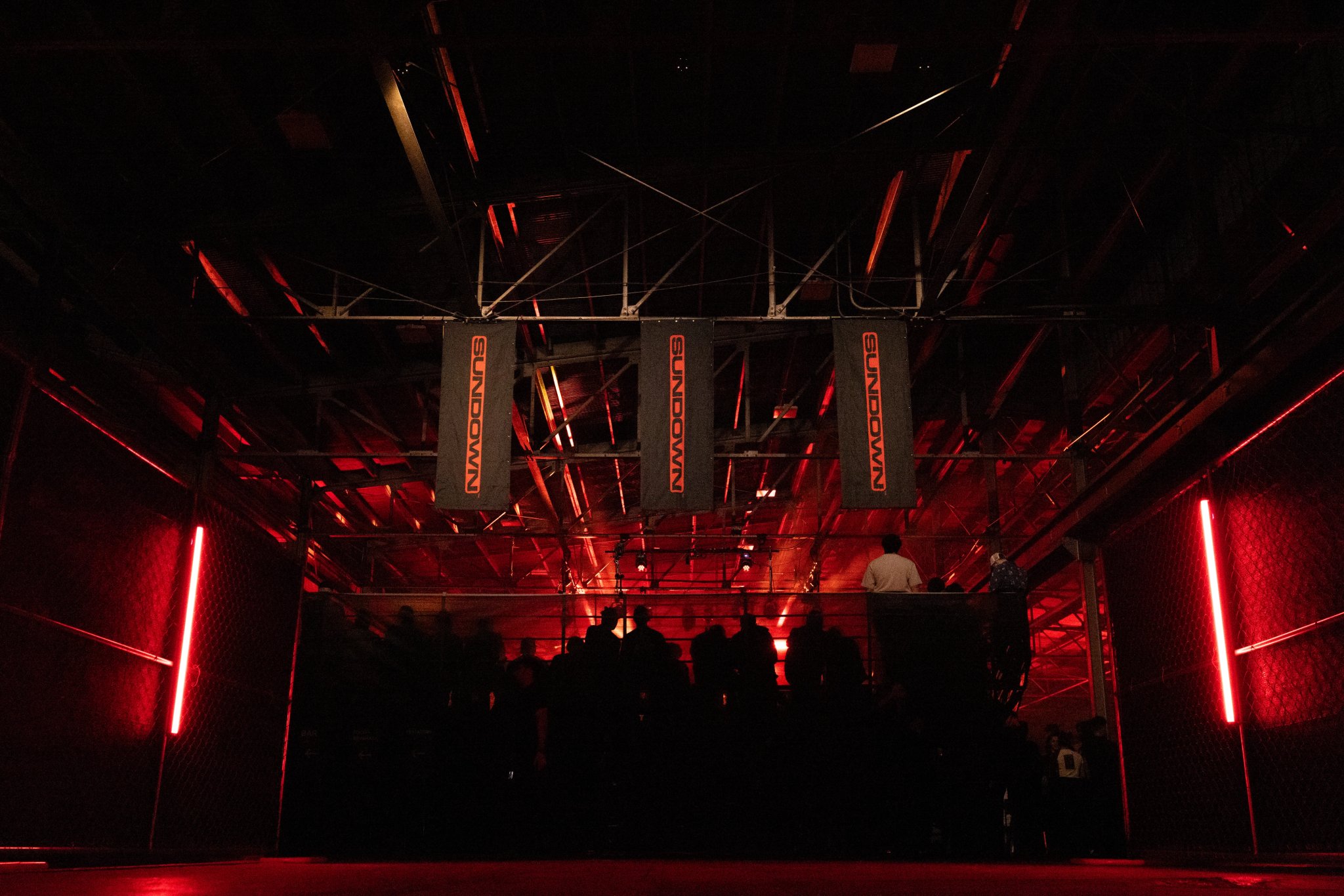
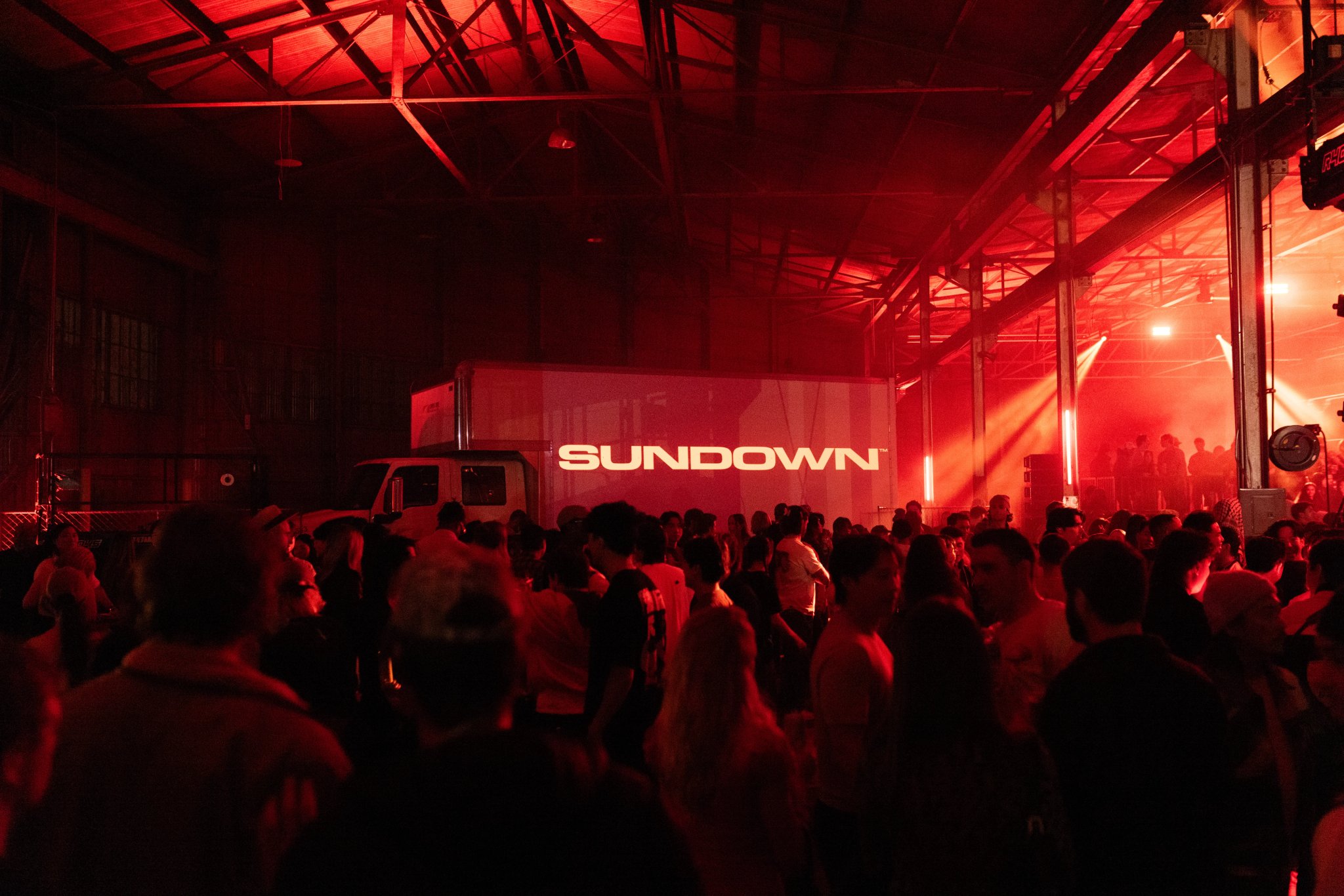
Most of the audience had likely never attended a live fight before. That was the point. Sundown wasn’t trying to compete with established leagues. It was carving out a new audience, a new tone, and a new kind of cultural gathering. It asked what happens when you remove the old assumptions about who fight culture is for — and replace them with something more immersive, more communal, and more fluid.
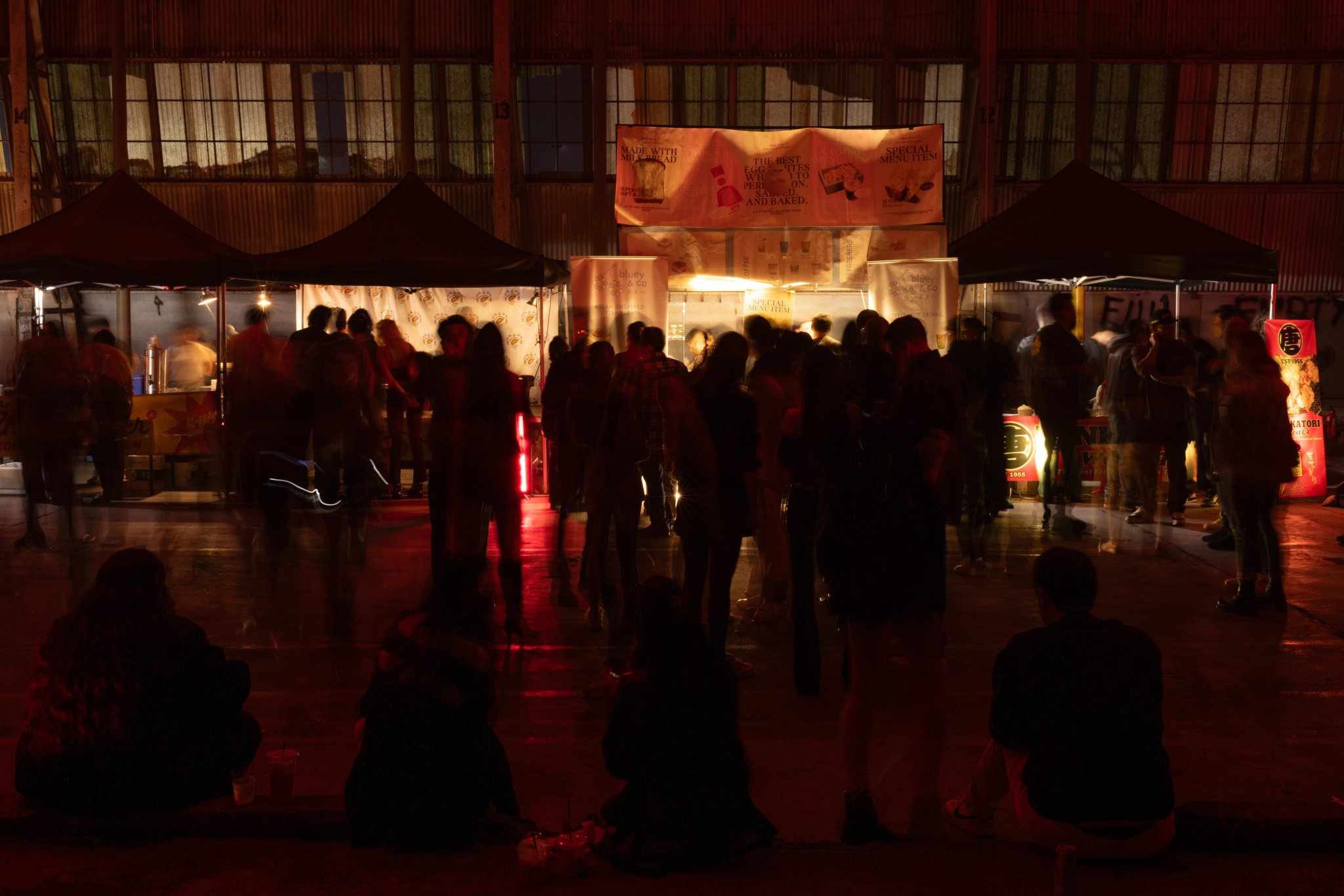
When the doors opened and the warehouse filled, the result was a packed room and an electric atmosphere that didn’t feel borrowed from anywhere else. It felt original. Unpolished in the right ways. Intentional in the ways that mattered.
When the doors opened and the warehouse filled, the result was a packed room and an electric atmosphere that didn’t feel borrowed from anywhere else. It felt original. Unpolished in the right ways. Intentional in the ways that mattered.
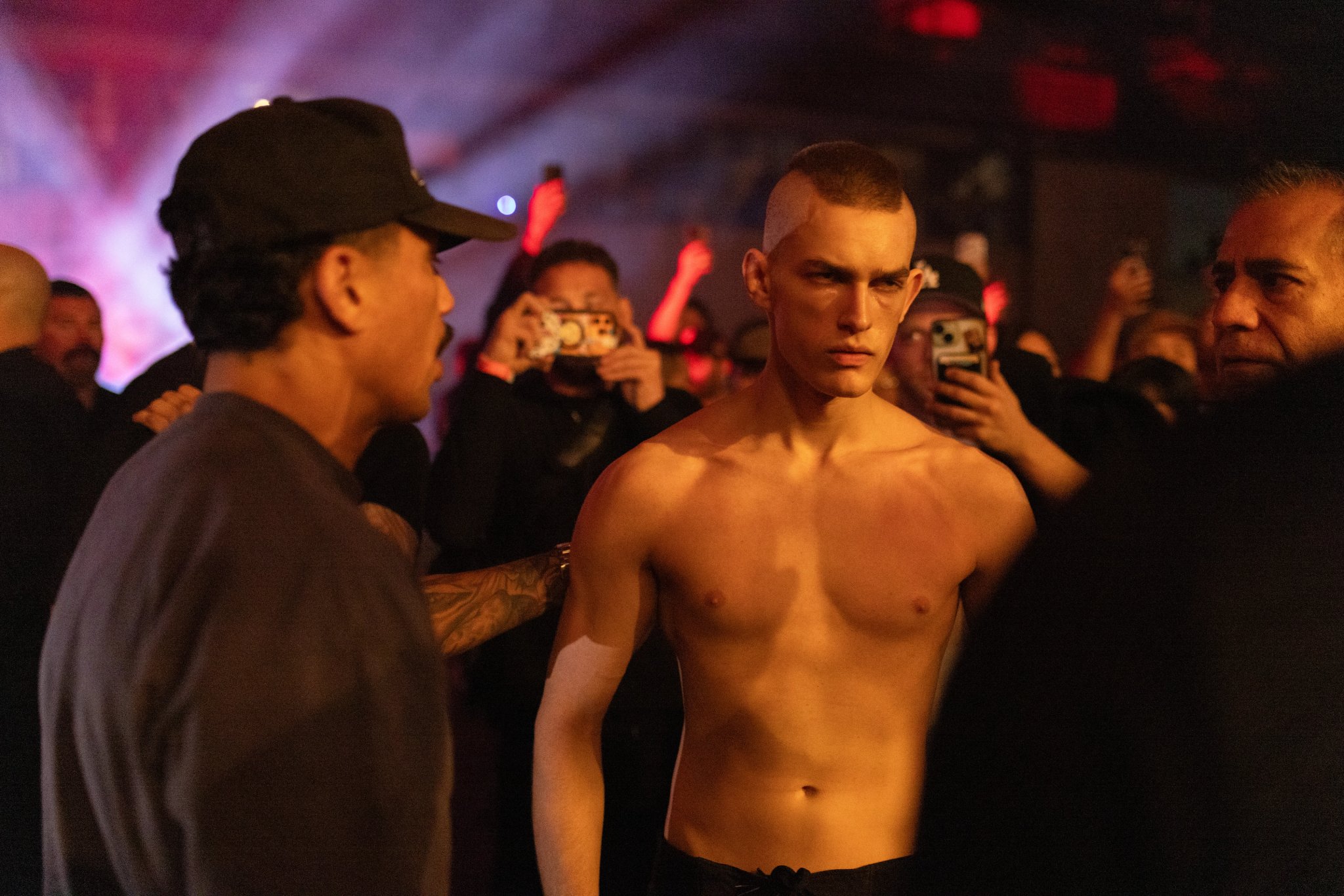
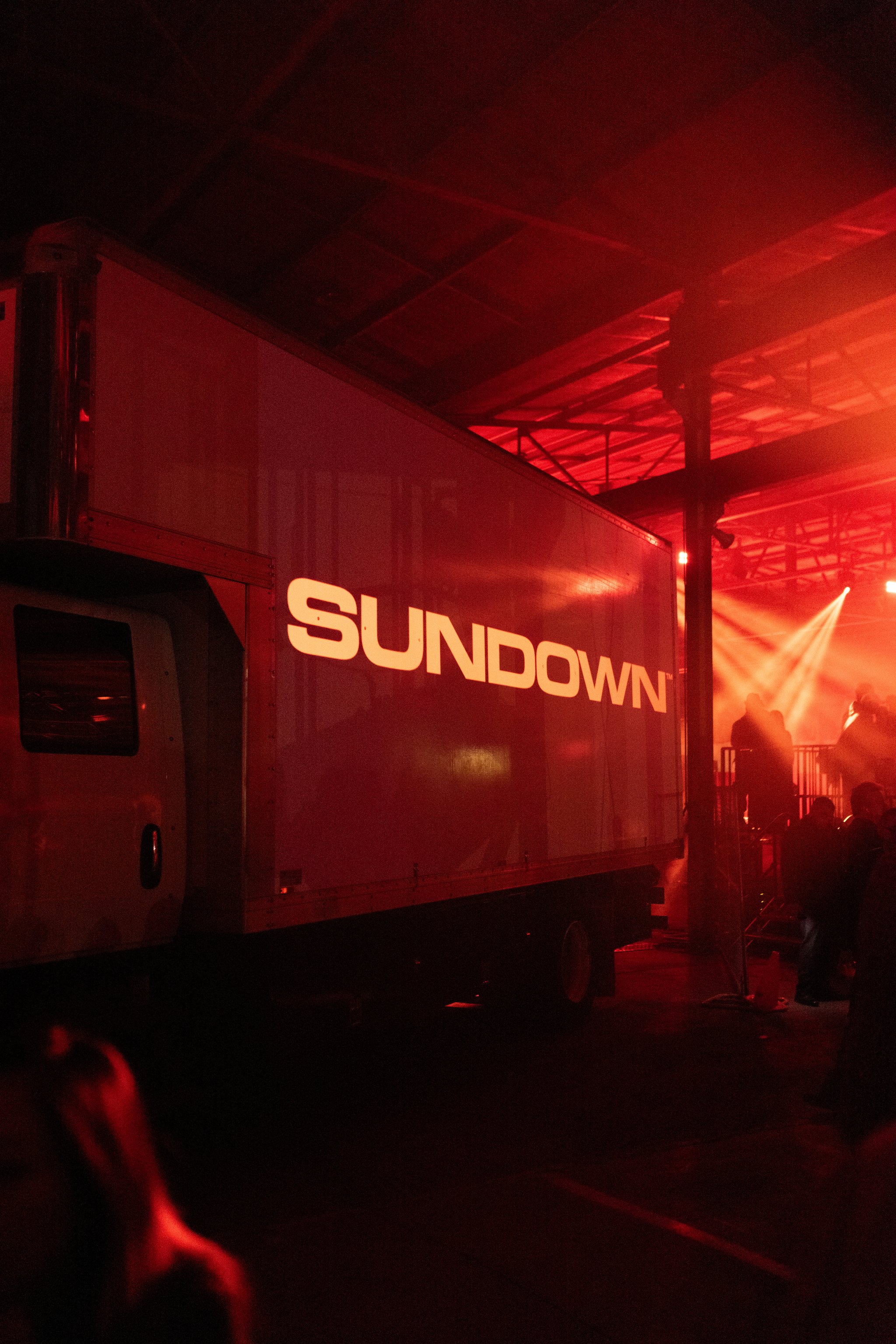
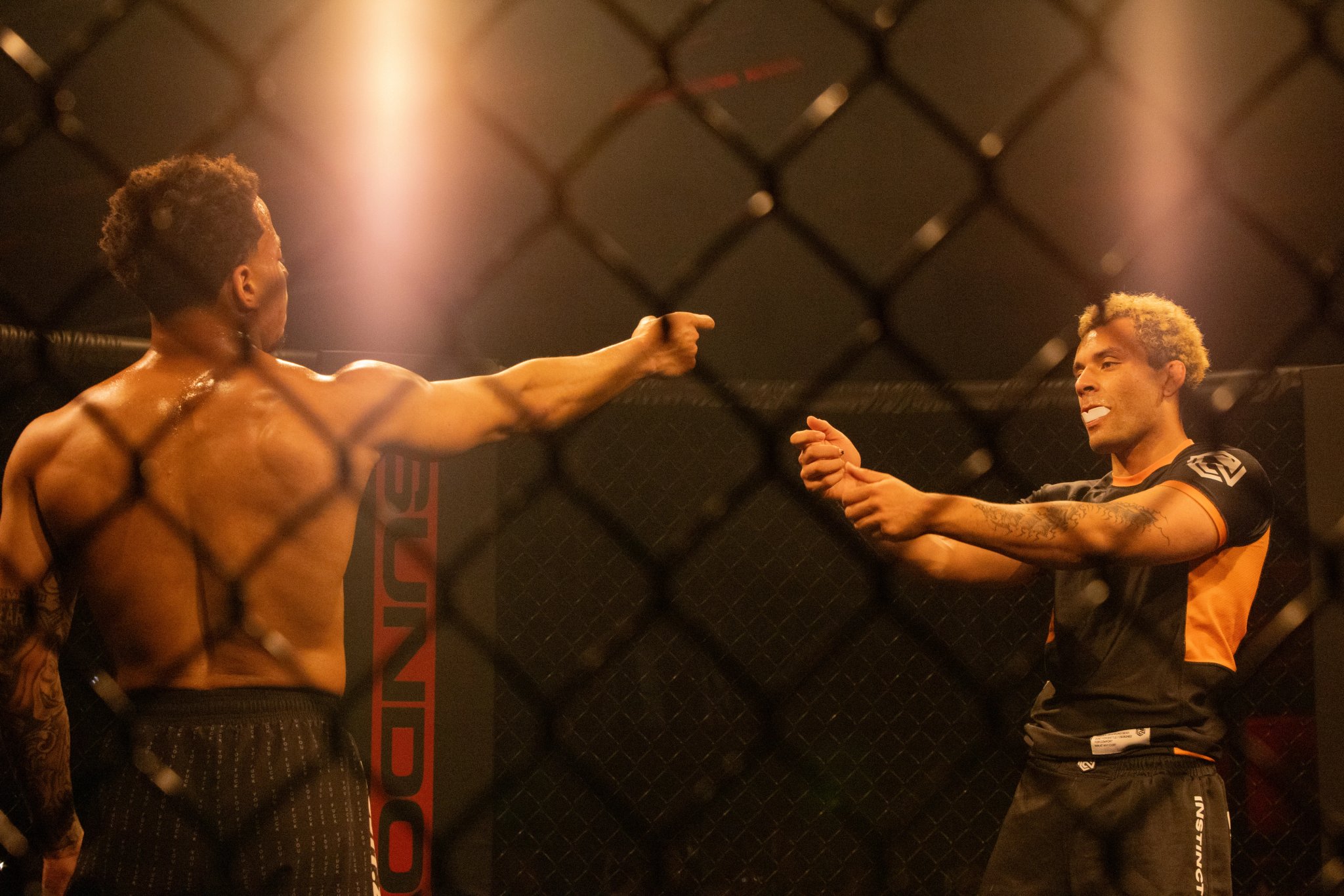
Sundown wasn’t about maximizing ticket sales or following a proven playbook. It was a proof of possibility — a test of whether a different model for combat sports could exist. A space where MMA, music, and cultural energy could coexist without hierarchy.
For us, it was a reminder of what experience design really is. Not just producing an event — but shaping an environment where format, flow, and culture collide into something people can’t look away from.
And sometimes, the most exciting work is the kind that doesn’t come with instructions.
For us, it was a reminder of what experience design really is. Not just producing an event — but shaping an environment where format, flow, and culture collide into something people can’t look away from.
And sometimes, the most exciting work is the kind that doesn’t come with instructions.
Credits
Acronym
- Executive Creative DirectorAlex Ilten
- Creative DirectorCalvin Cheng
- Designer, 3D/EnvironmentalPhoebe Ou-Yang
- Jr. DesignerPhoebe Zheng
- Sr. ProducerJasper Kuo
- ProducerRyan Brown
- Technical ProducerGarret Kirk
- Associate Technical ProducerAdam Amaral