HBO Max: The Penguin
HBO Max: The Penguin
Iceberg Descent4126 For HBO's “The Penguin” at San Diego Comic-Con, we built Iceberg Descent — a five-act narrative entry experience culminating in a custom freight elevator where choreographed airbags, content, lighting, and sound worked in concert to make guests genuinely believe they were descending into the Iceberg Lounge.
Scope
- UX / UI
- Programming
- Custom Fabrication
- Operation / Support
- Creative Direction
- Lighting Design
- Narrative & Strategy
- Visual Content Design
- Audio / Visual Production
- Interactive Installation
- Fabrication
- Experiential Design
- Design
- Spatial Design
- Creative Technology
- Project Management
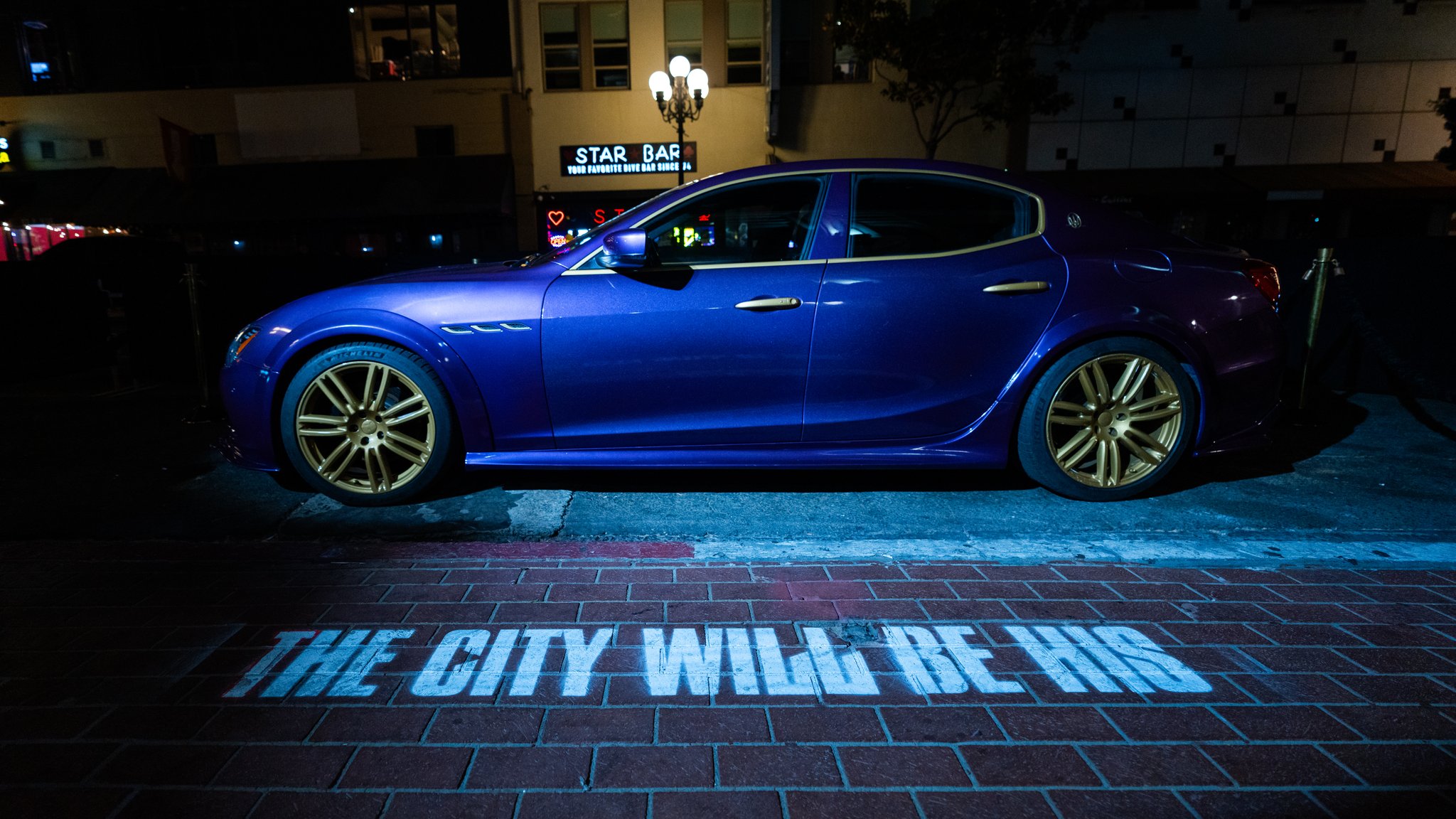
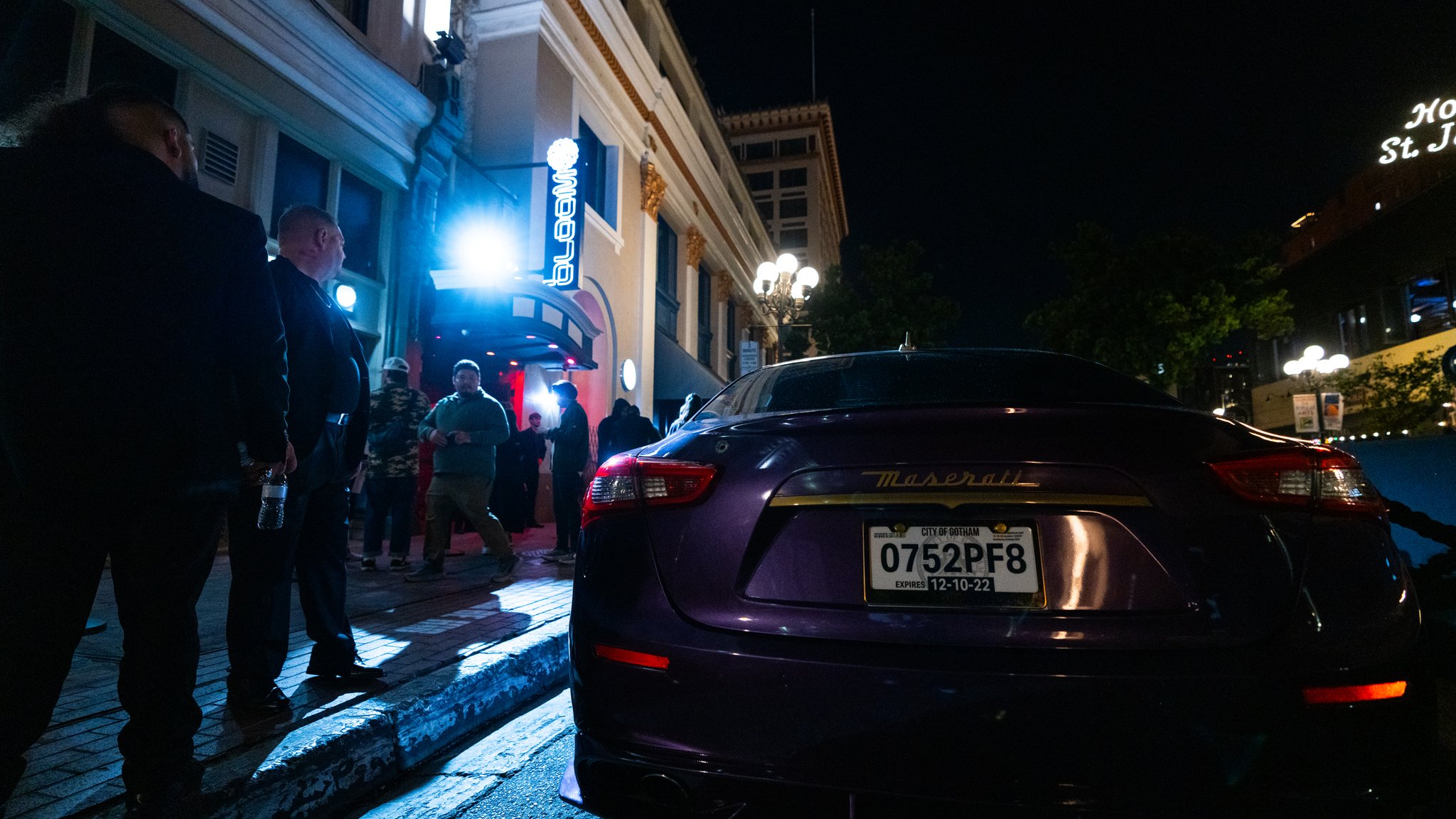
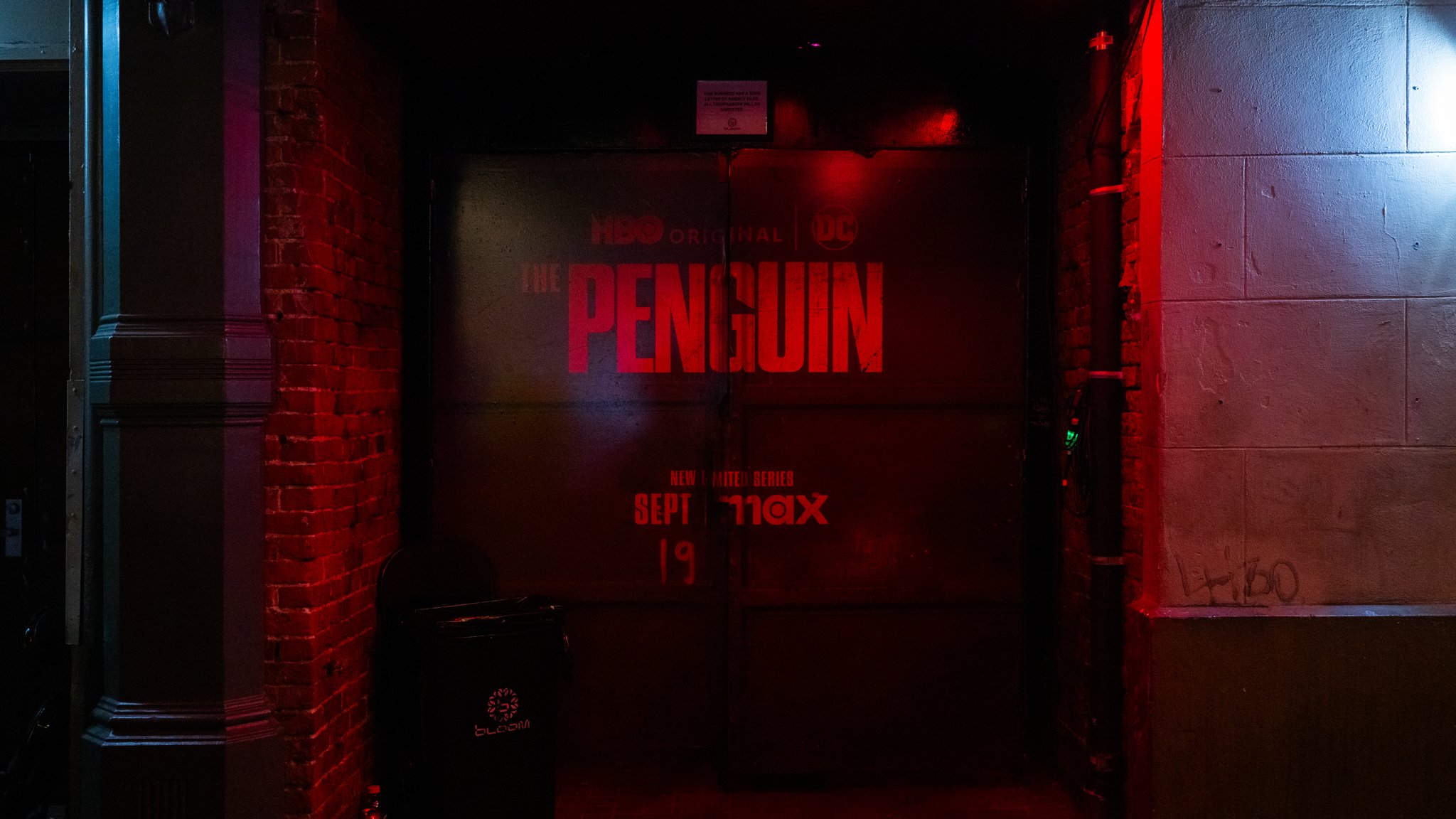
Comic-Con is loud. Every brand wants a moment, a footprint, a line around the block. Most deliver a backdrop and a hashtag. For HBO's “The Penguin”, we built something else entirely: a journey into Gotham City that began on the sidewalk and didn't let go until the elevator doors opened on the other side.
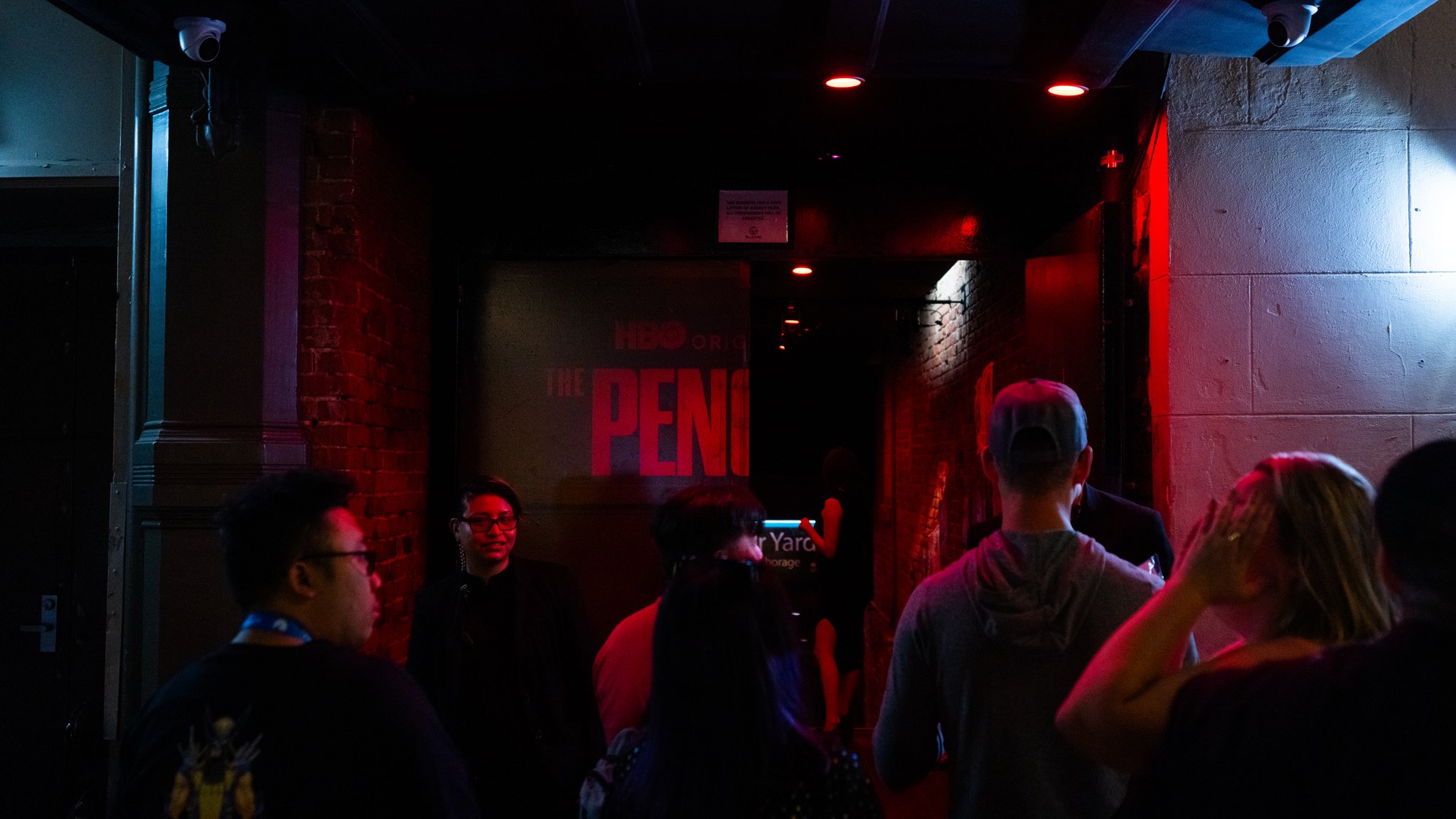
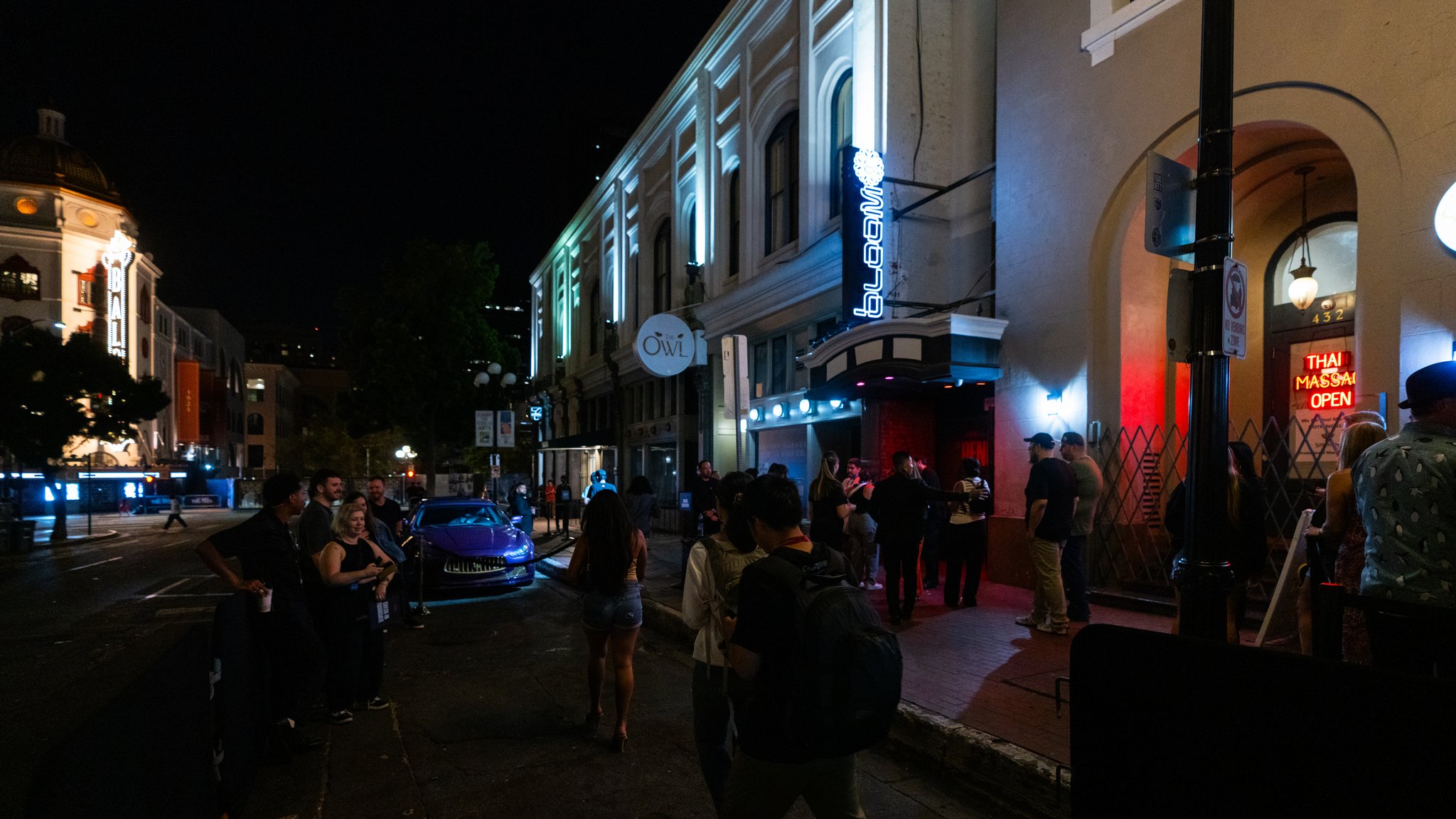
The brief was to create an entry experience for the series' activation at Bloom Nightclub in San Diego. Two nights, July 2024. But an entry experience is a container — what matters is what you put in it. We conceived Iceberg Descent as a five-act narrative: a sequential world you moved through, not a set you stood in front of.
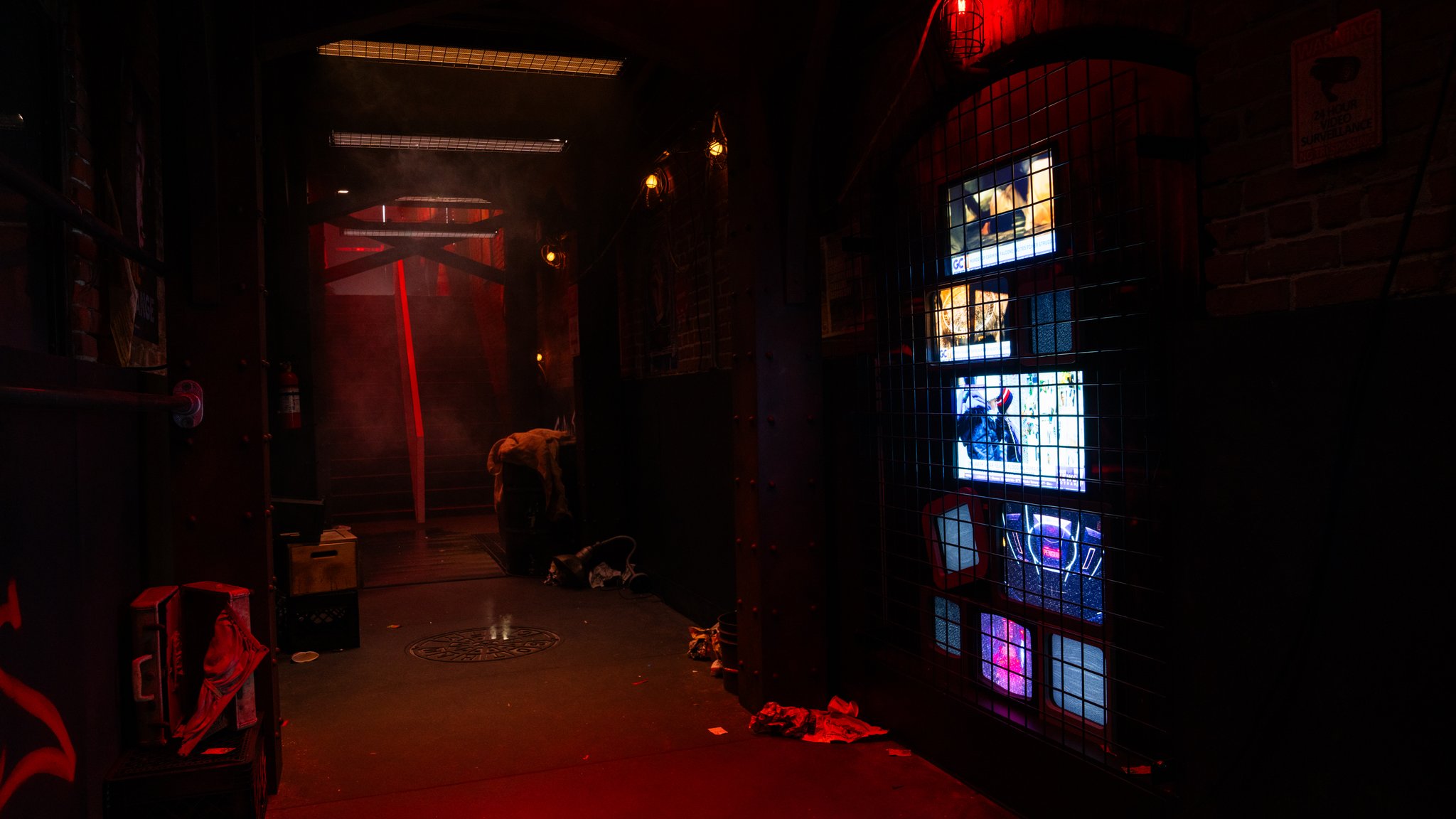
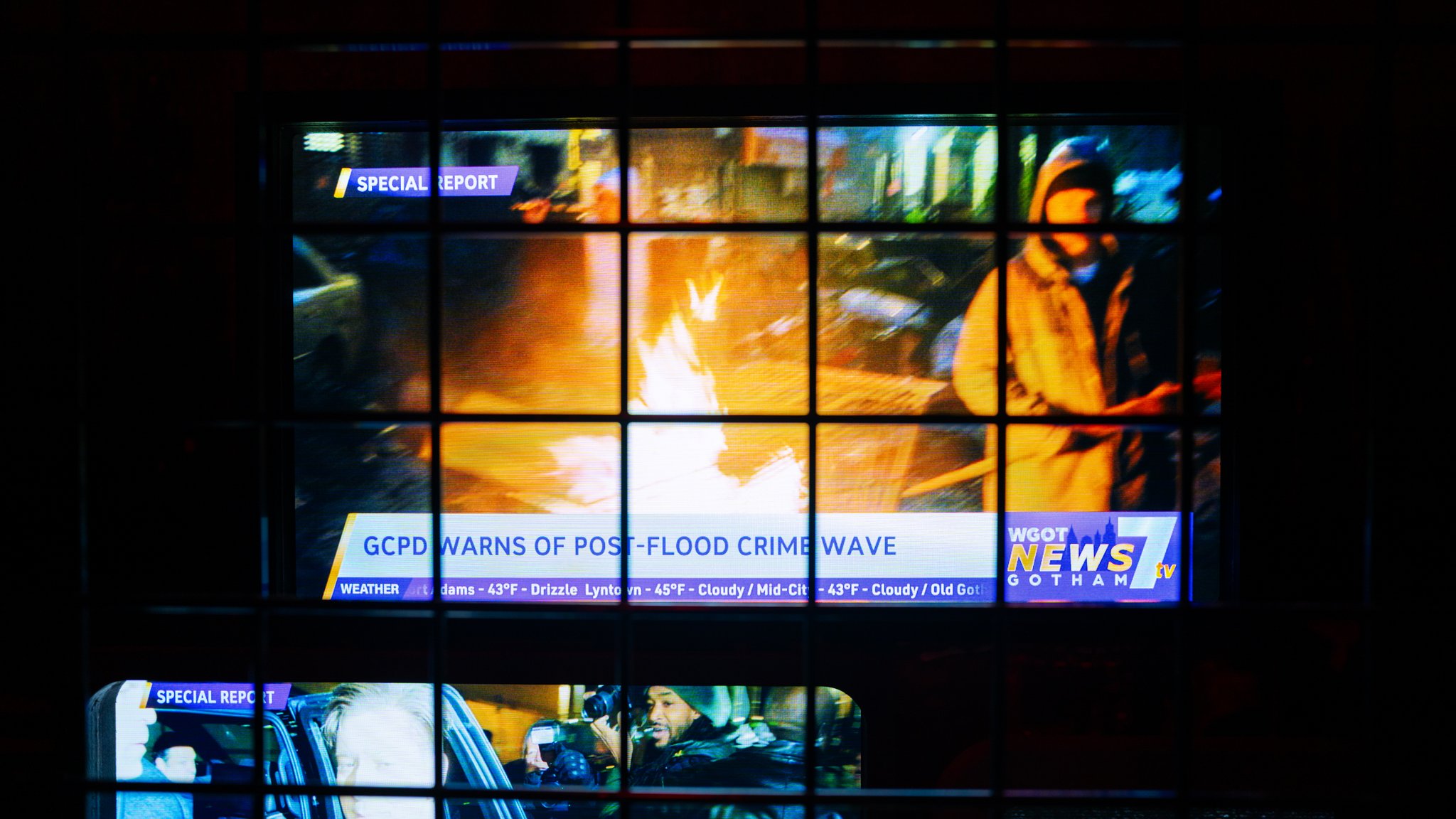
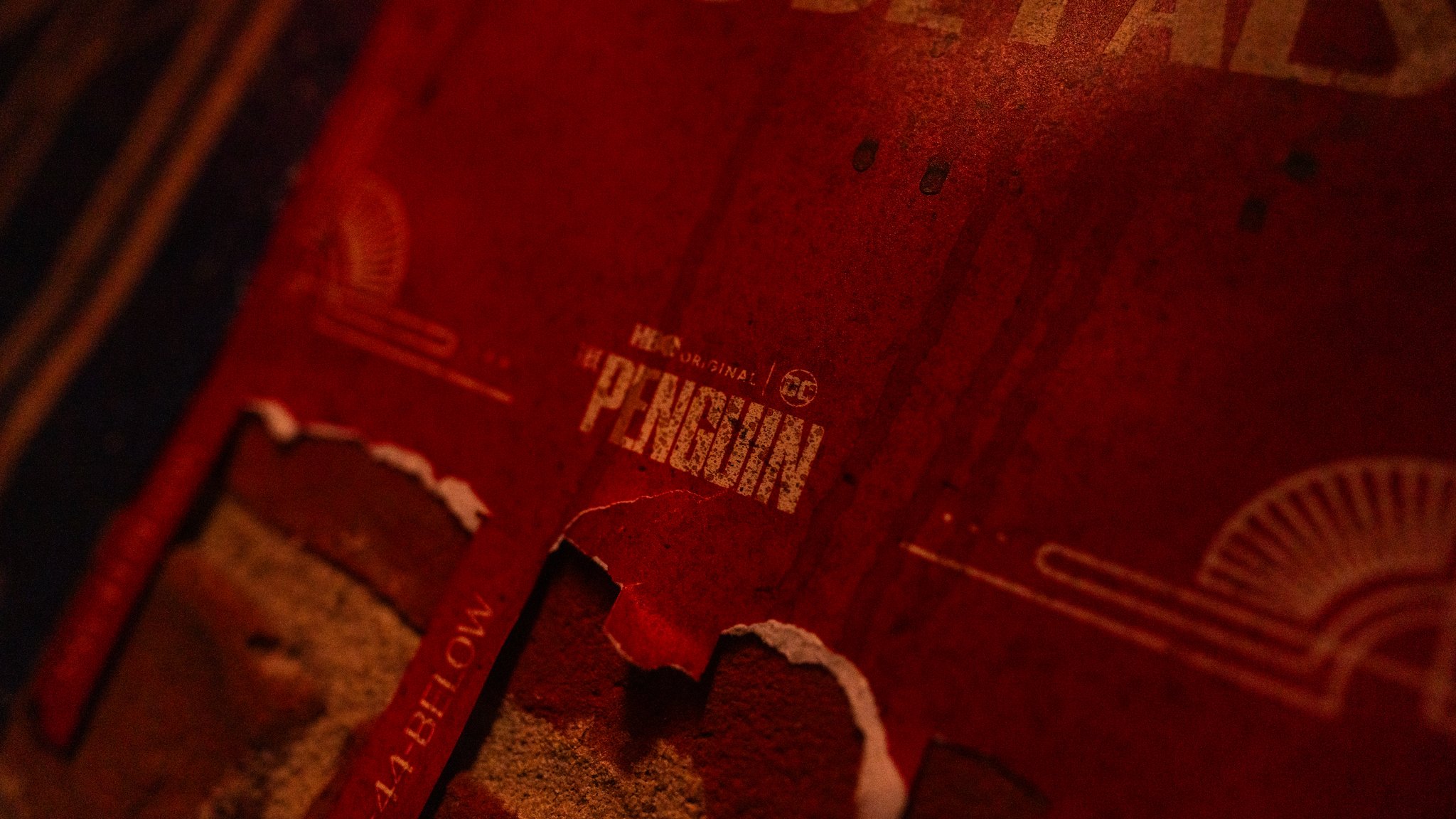
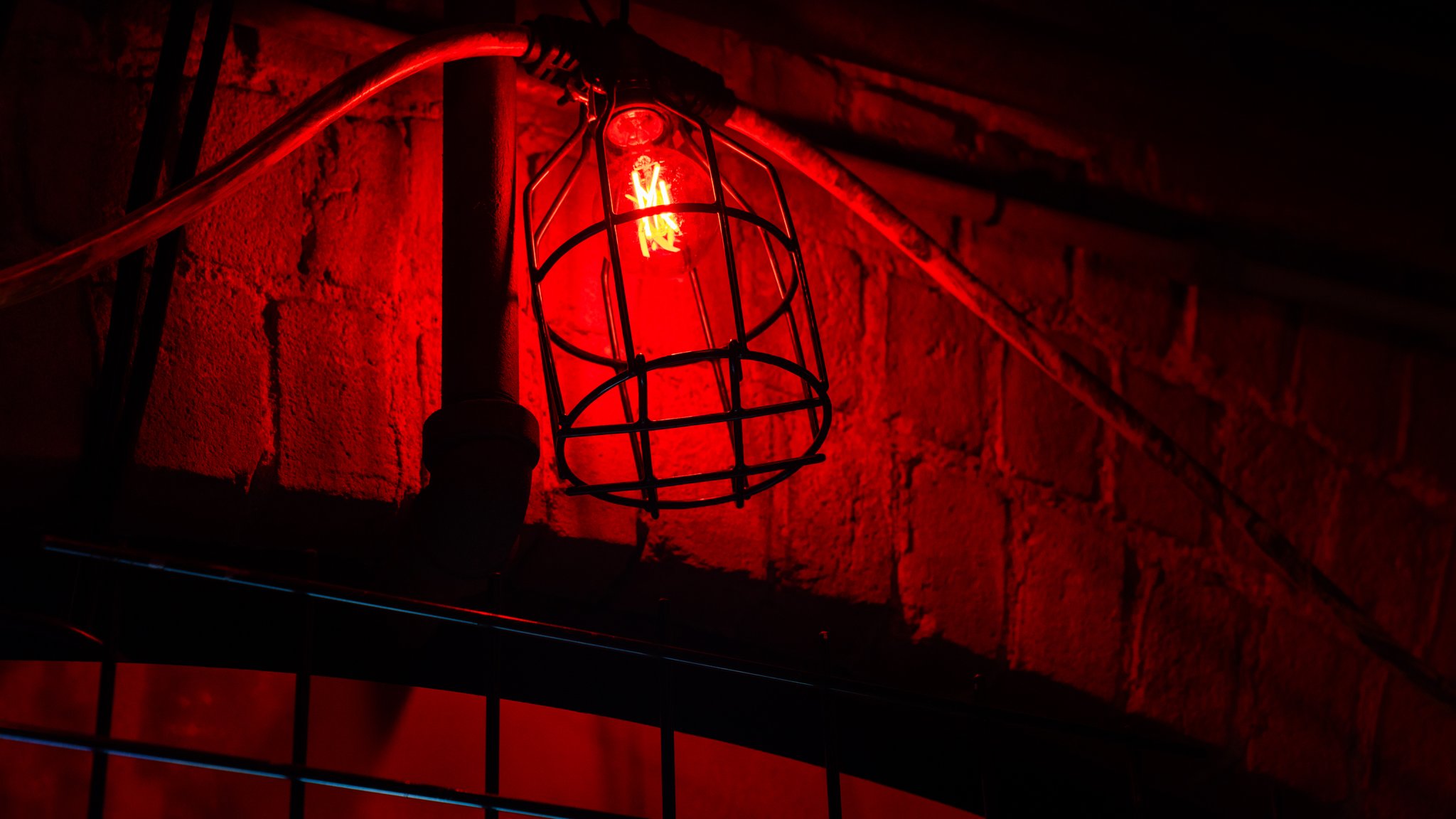
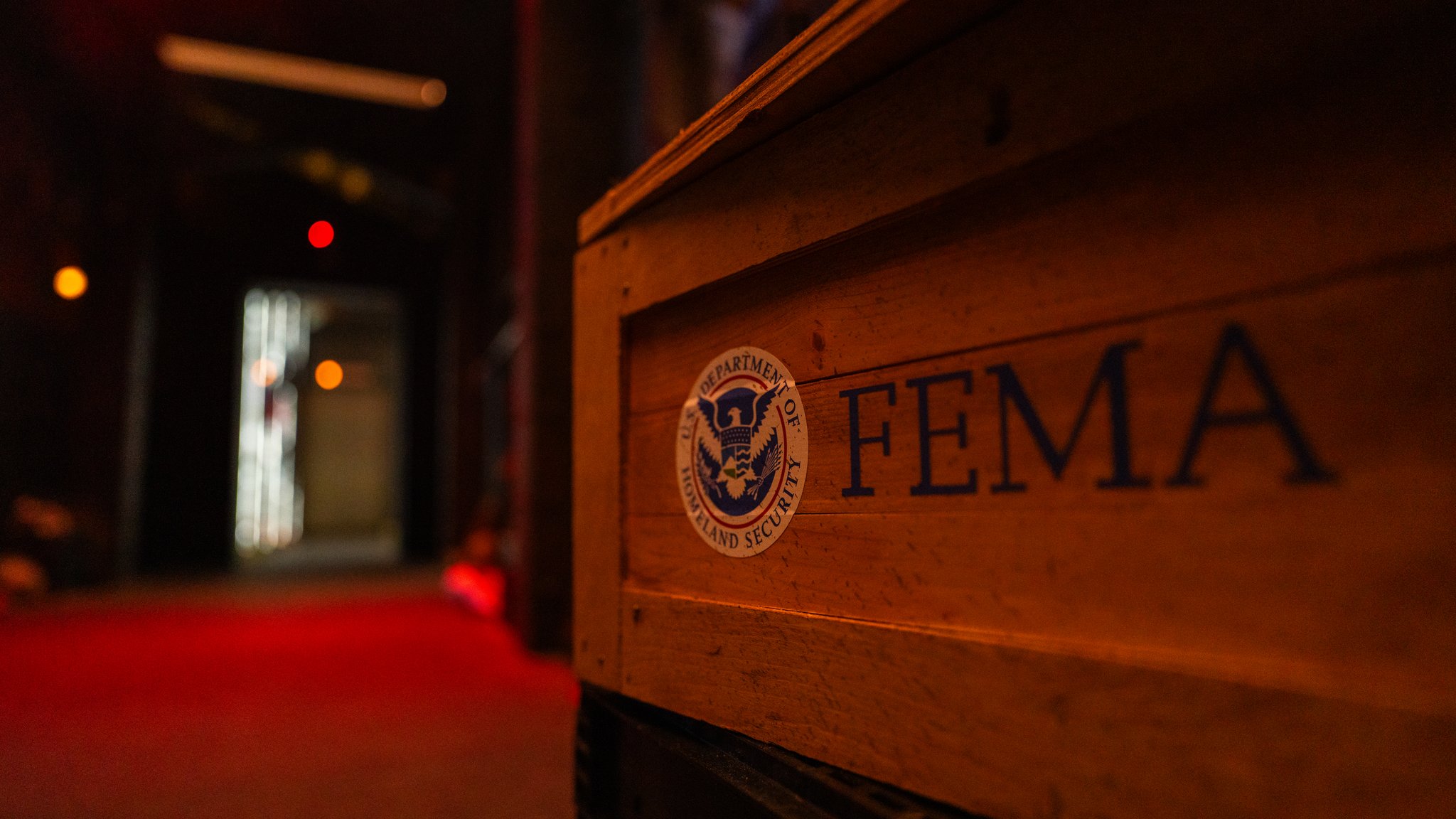
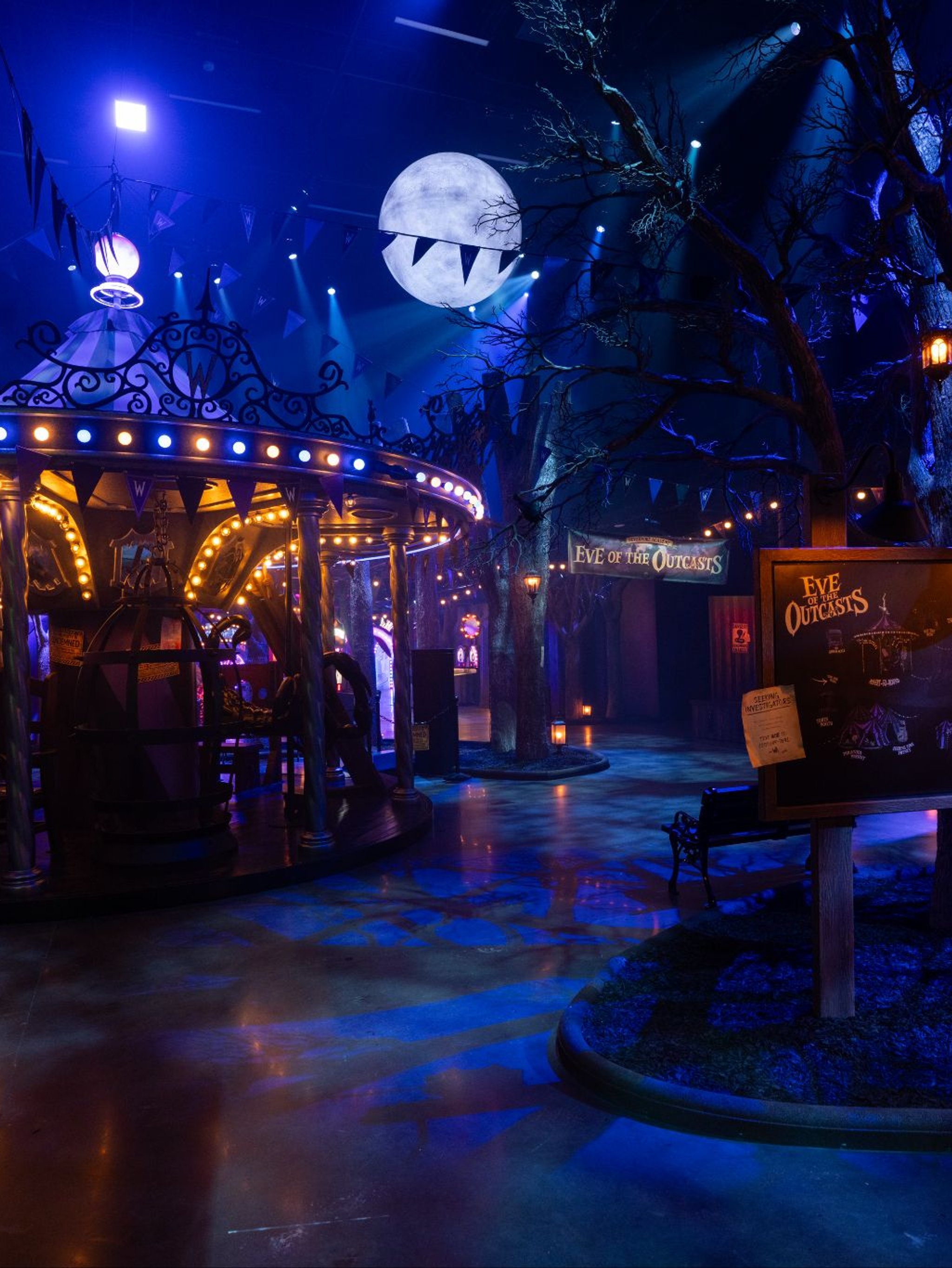
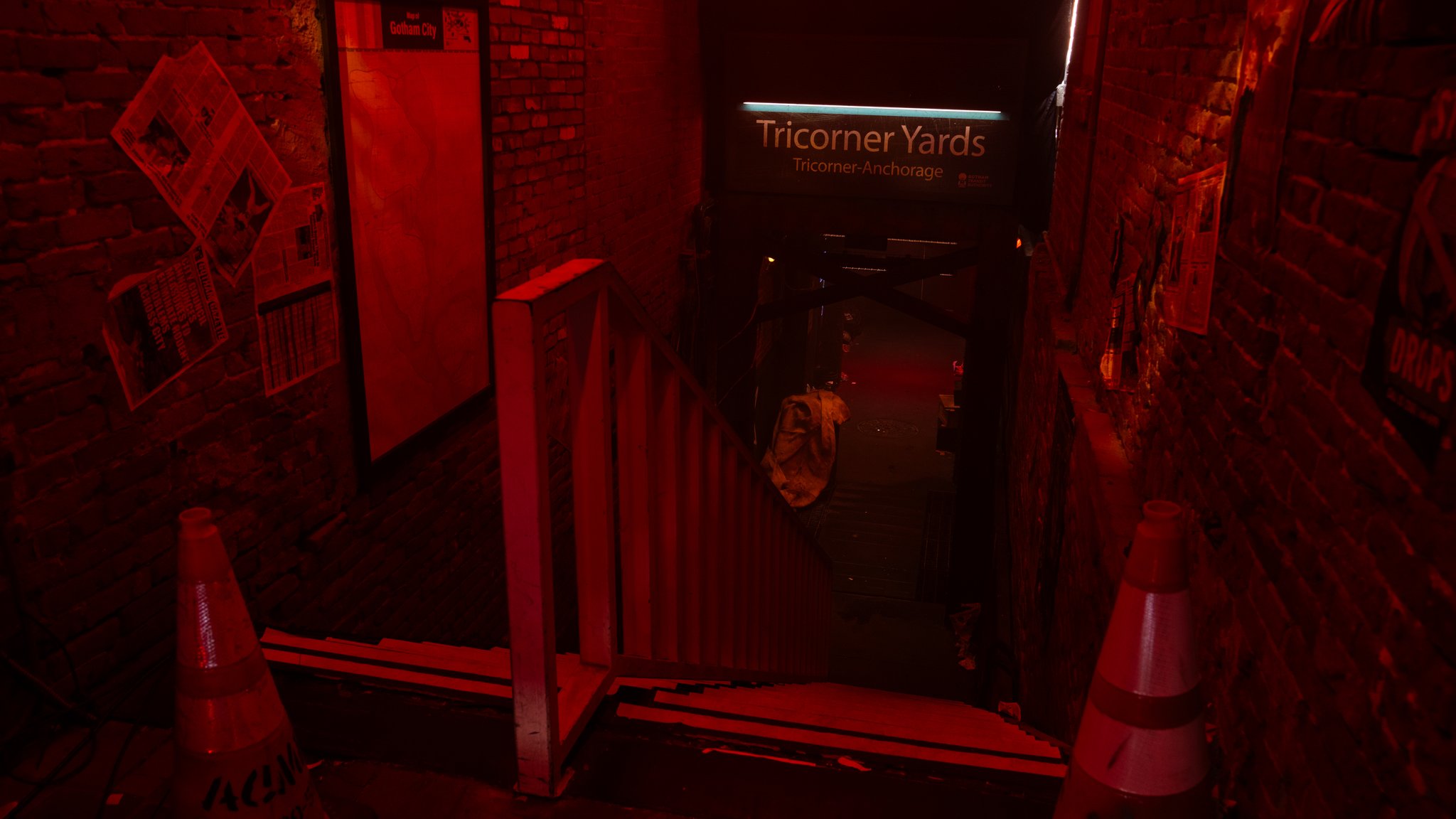
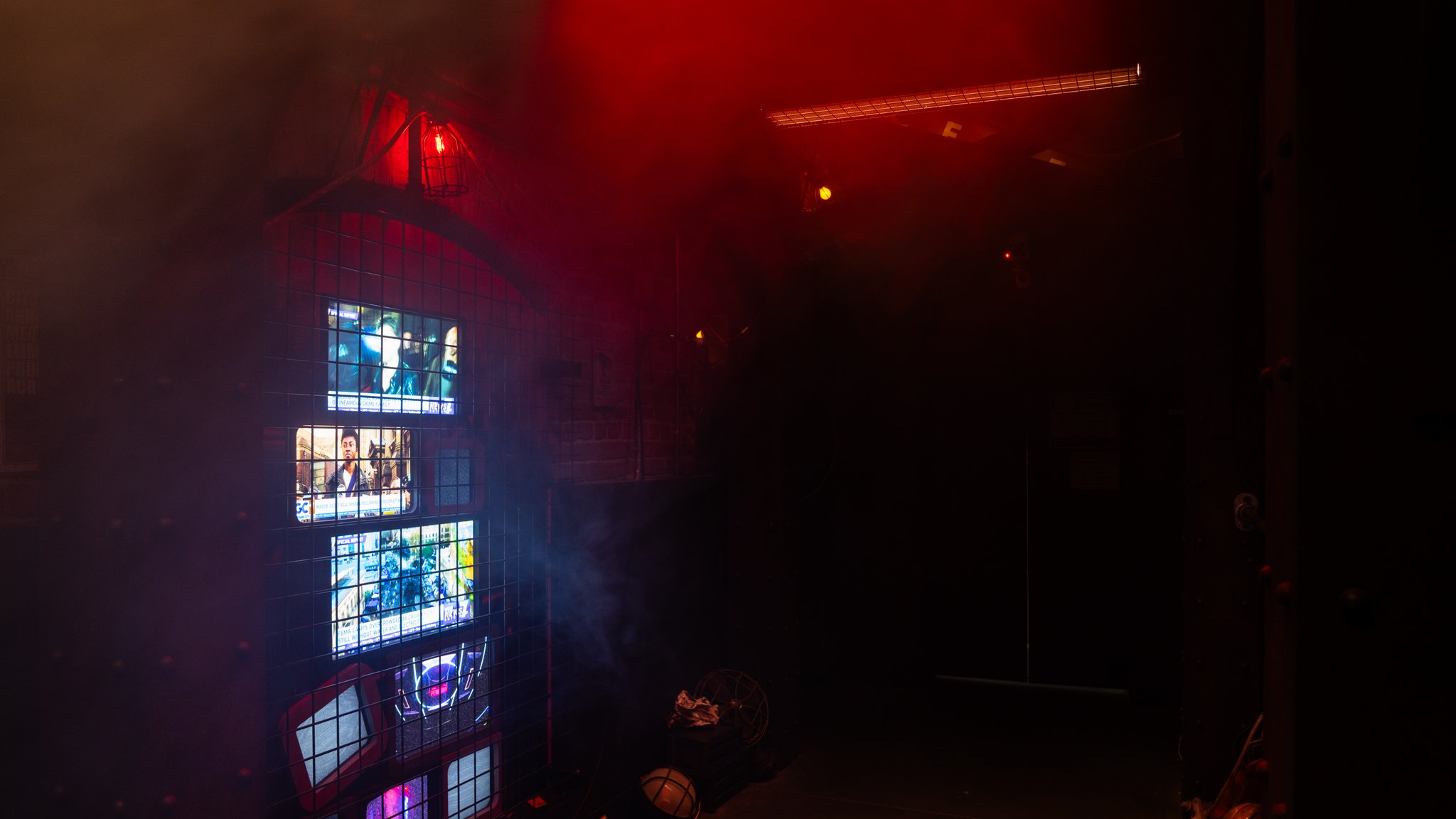
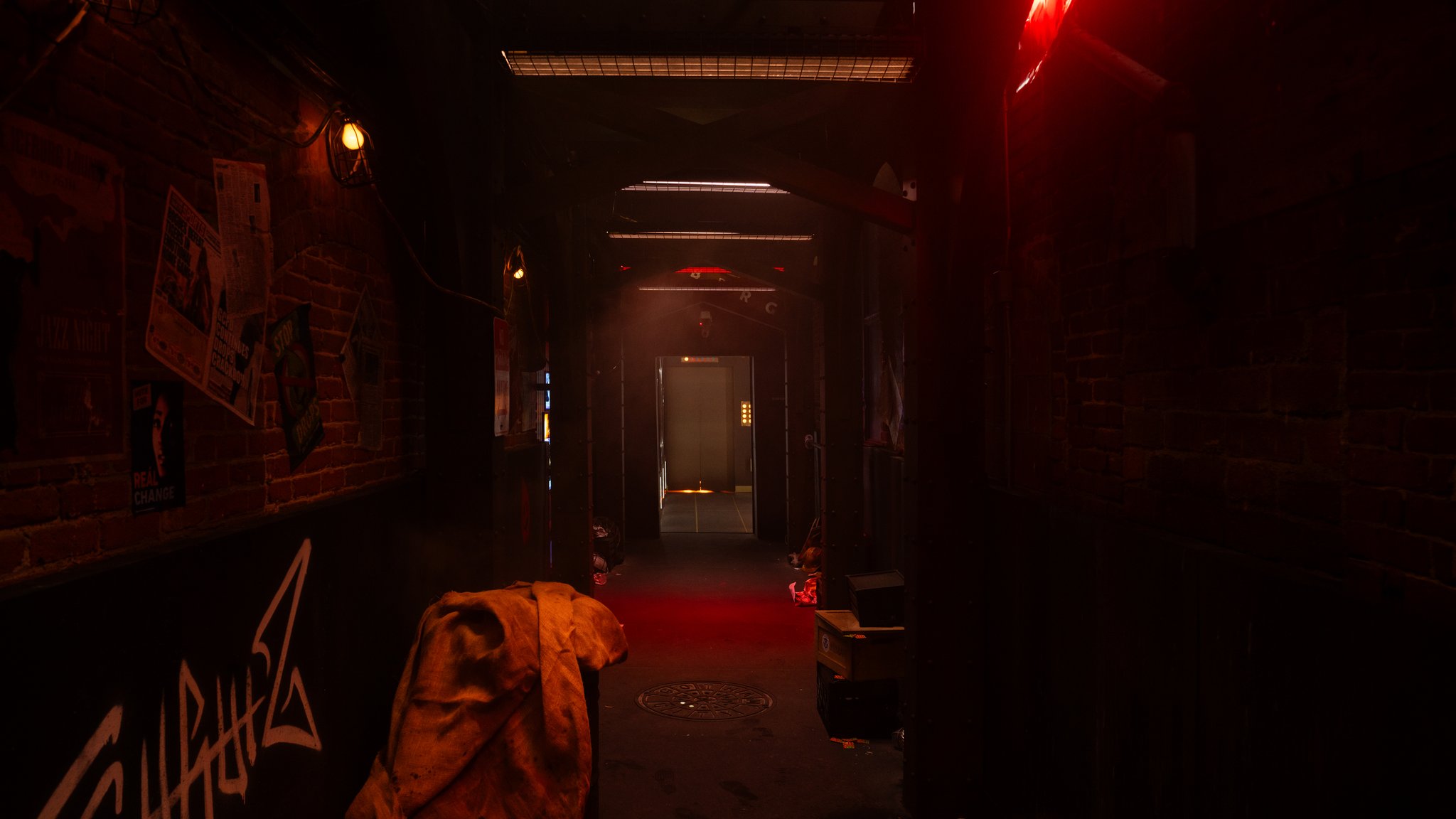
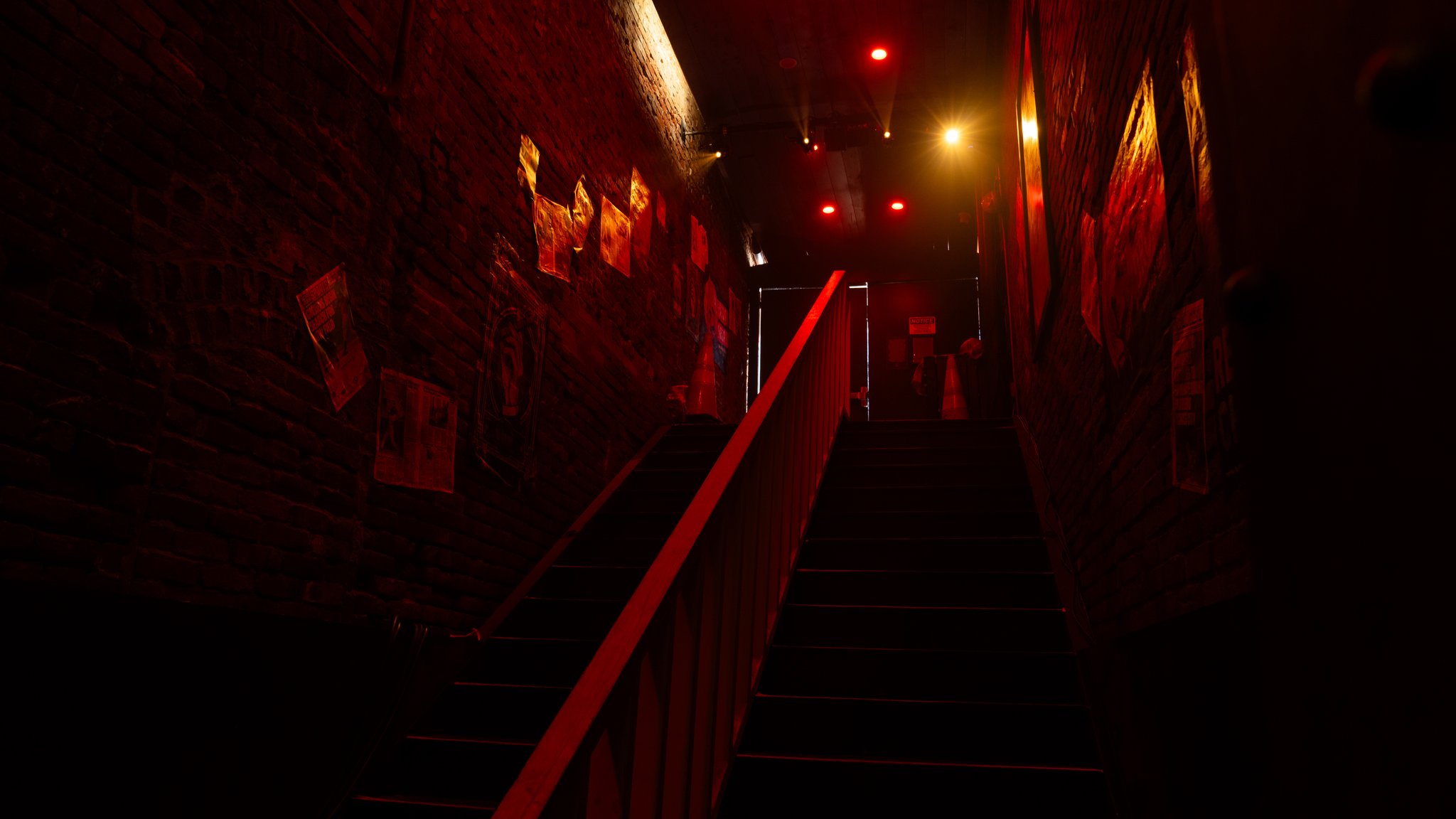
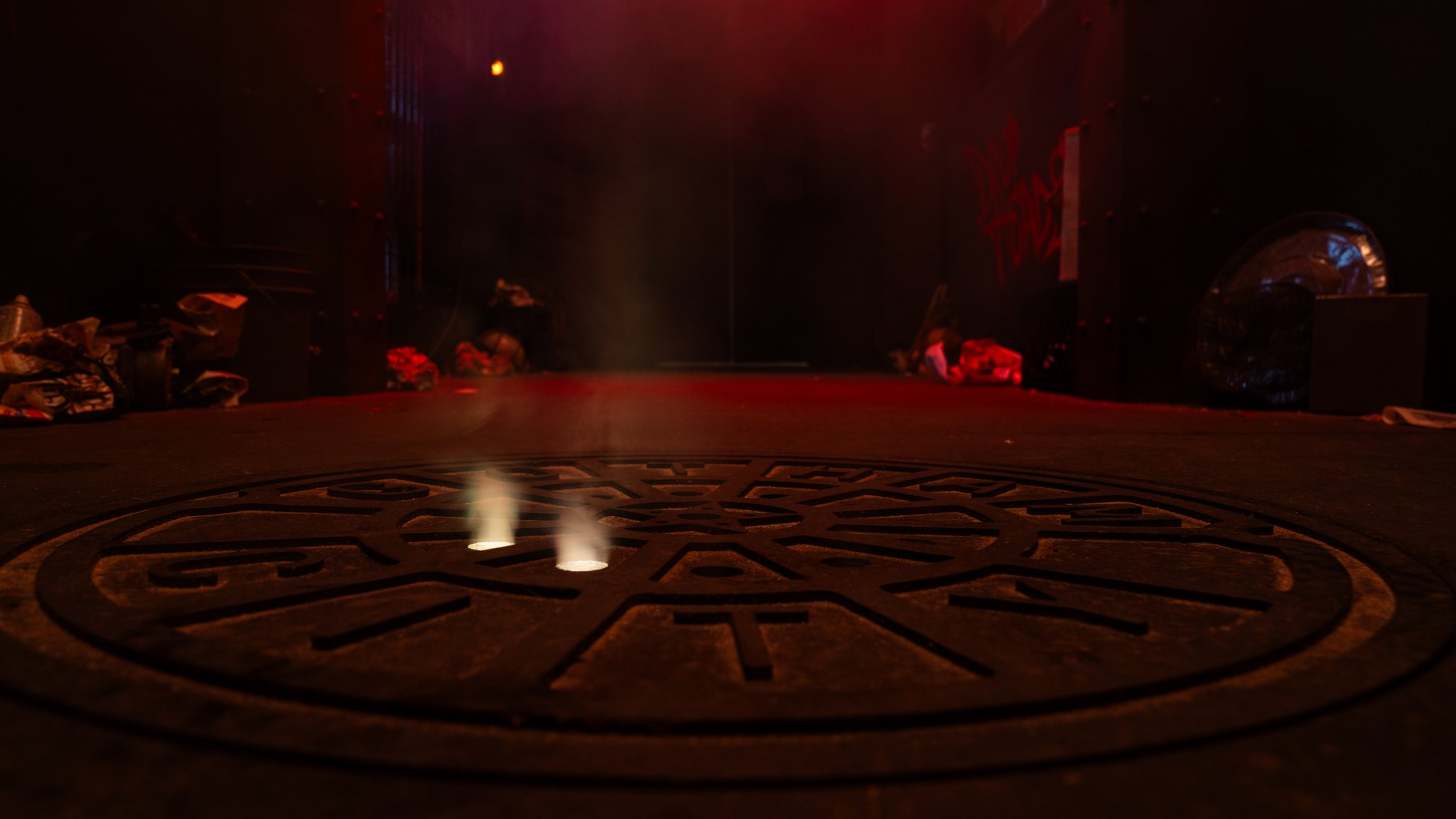
It started on the street. A Gotham Transit Authority station — period signage, train sound effects bleeding through the walls — pulled guests out of San Diego before they'd taken three steps. A rain underpass followed: a closed-loop water system, actual falling rain, haze, the smell of something damp and urban. Then a Gotham streetscape — amber light, scaffolding, an abandoned TV storefront running Gotham News on glitching screens. Each beat narrowed the world a little further. By the time guests reached the elevator, Gotham was already the only place left to be.
Then the doors closed.
Then the doors closed.
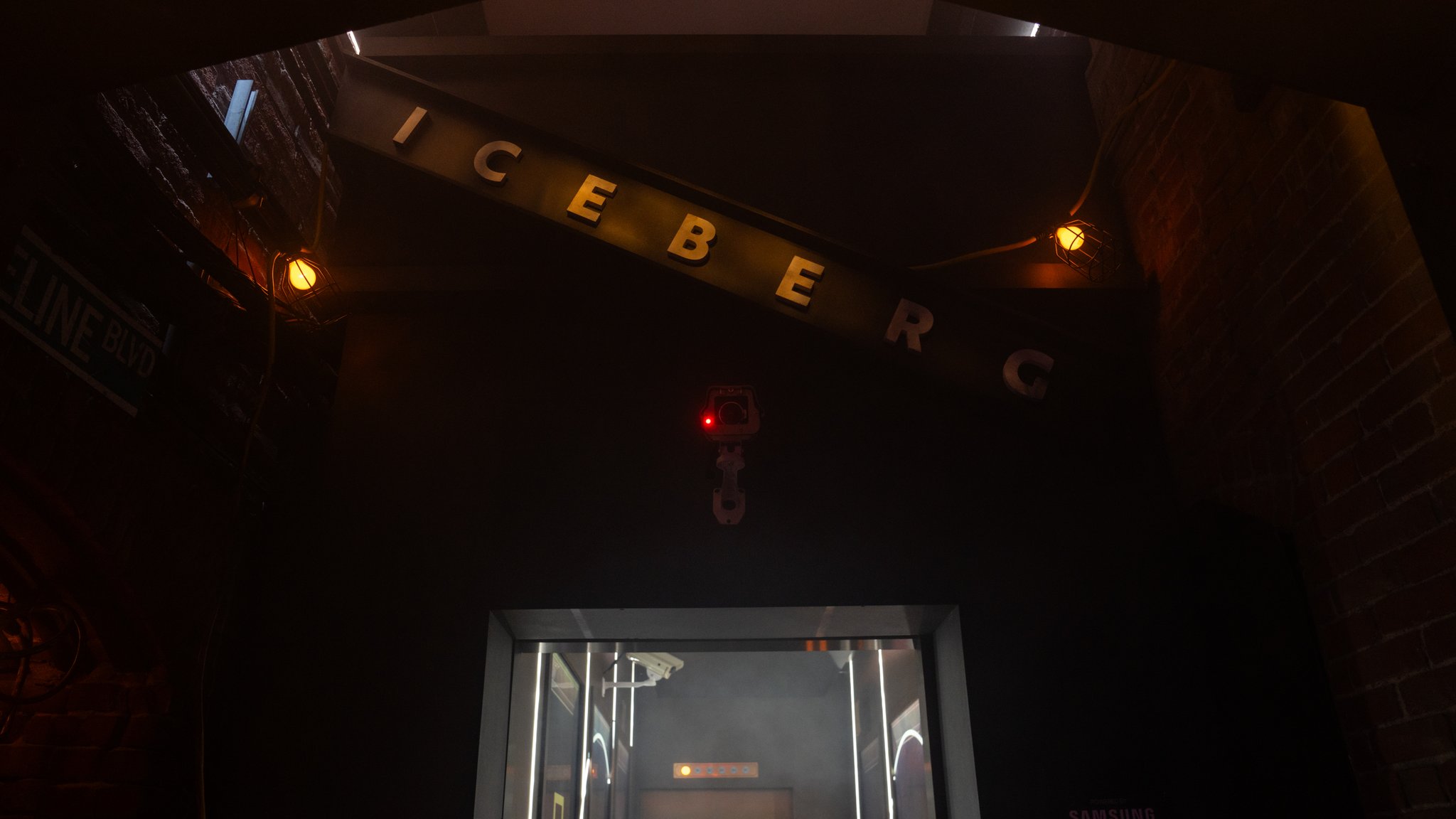
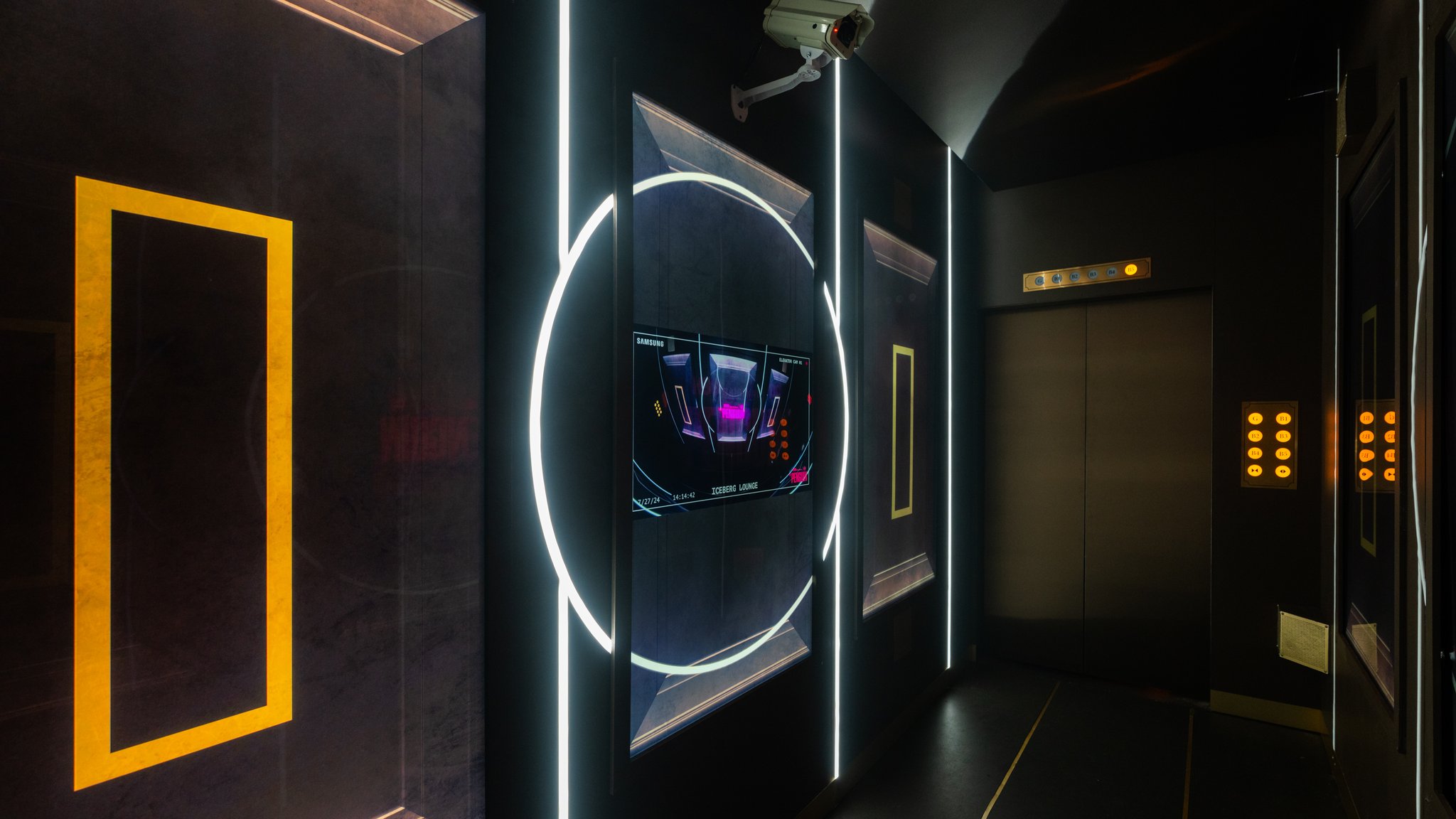
The elevator was a 6×15-foot custom-built freight cab — art deco framing, industrial bones, pneumatic doors, six 75-inch screens, L'Acoustics speakers built into the walls, a backlit gold-and-bronze floor indicator counting down: B1, B2, B3, B4. Every element was designed toward a single goal: make guests believe they were descending.
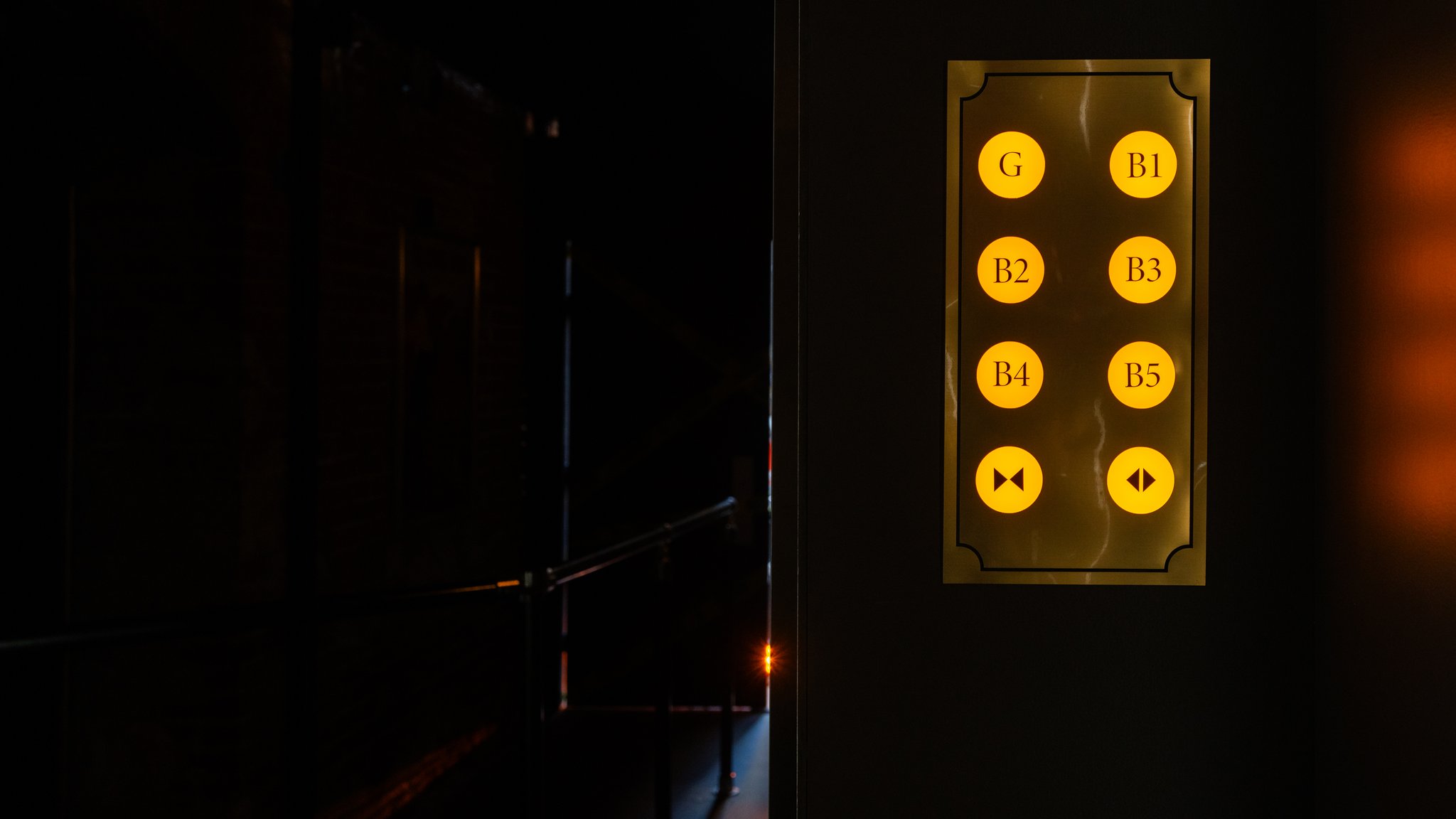
That's a harder problem than it sounds. The cab wasn't going anywhere. The challenge was making the body convince the mind that it was — and that required every discipline working in concert.
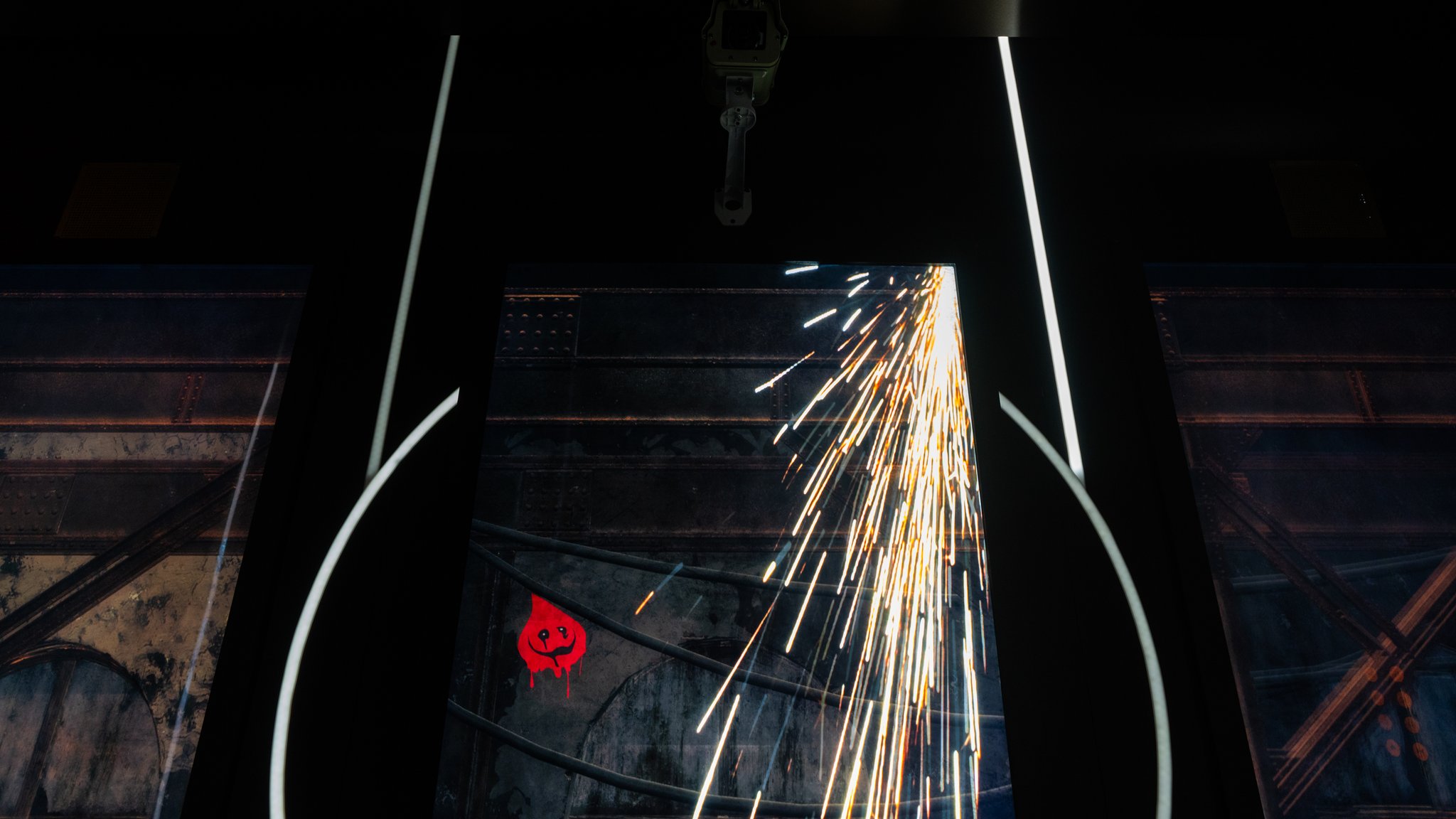
Beneath the floor, a system of airbags inflated and released, giving the cab a subtle physical drop. The content on the six screens sold the downward pull — Gotham's infrastructure rising past the windows, the city receding above. Lighting shifted to match: warmer, darker, more compressed as the floors counted down. L'Acoustics speakers carried the mechanical groan of a working elevator, then the sounds of the levels passing — pipes, voices, things moving in the dark below. Each system was choreographed to the same timeline. None of them worked alone. The belief came from all of them arriving together.
Beneath the floor, a system of airbags inflated and released, giving the cab a subtle physical drop. The content on the six screens sold the downward pull — Gotham's infrastructure rising past the windows, the city receding above. Lighting shifted to match: warmer, darker, more compressed as the floors counted down. L'Acoustics speakers carried the mechanical groan of a working elevator, then the sounds of the levels passing — pipes, voices, things moving in the dark below. Each system was choreographed to the same timeline. None of them worked alone. The belief came from all of them arriving together.
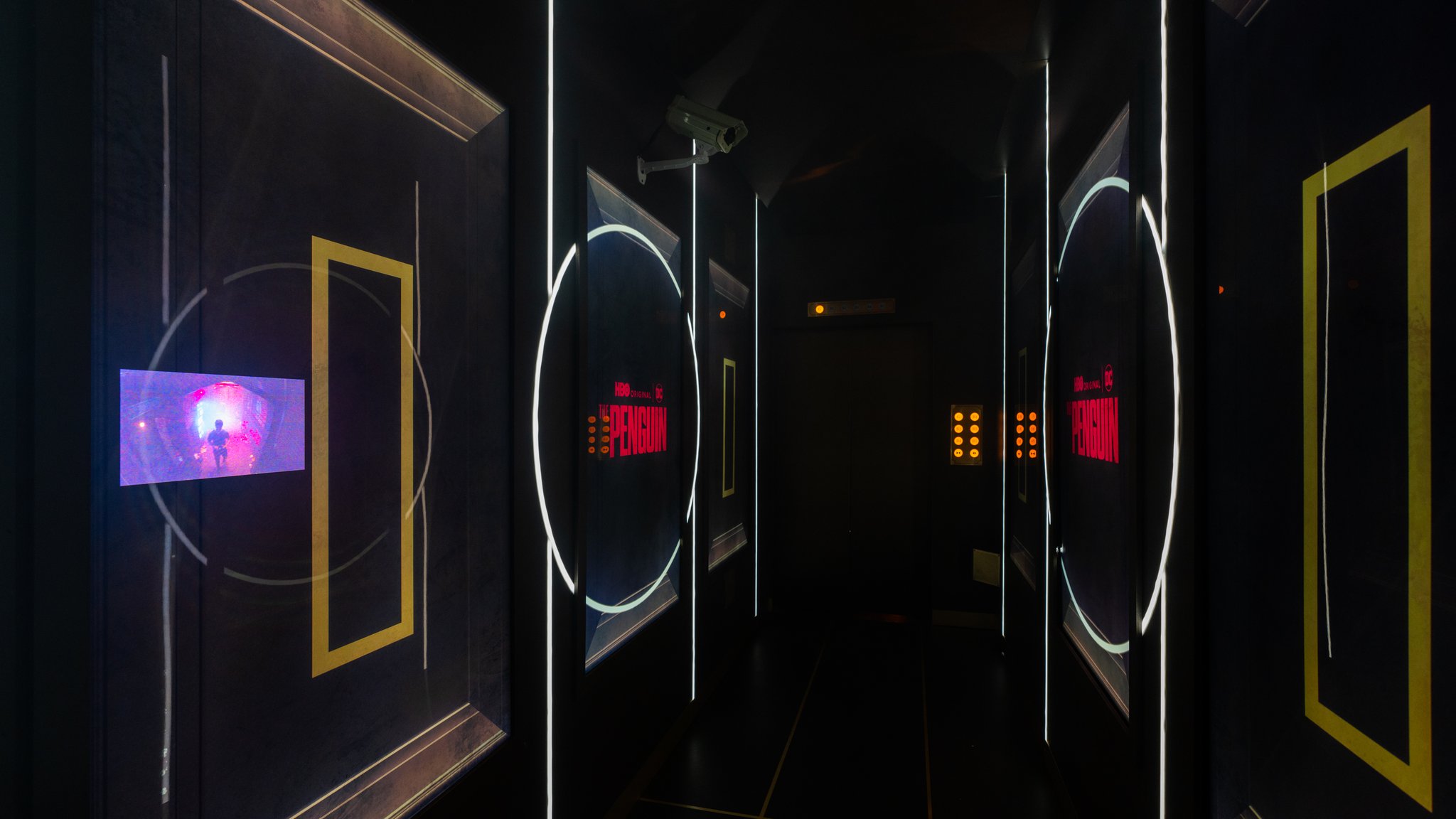
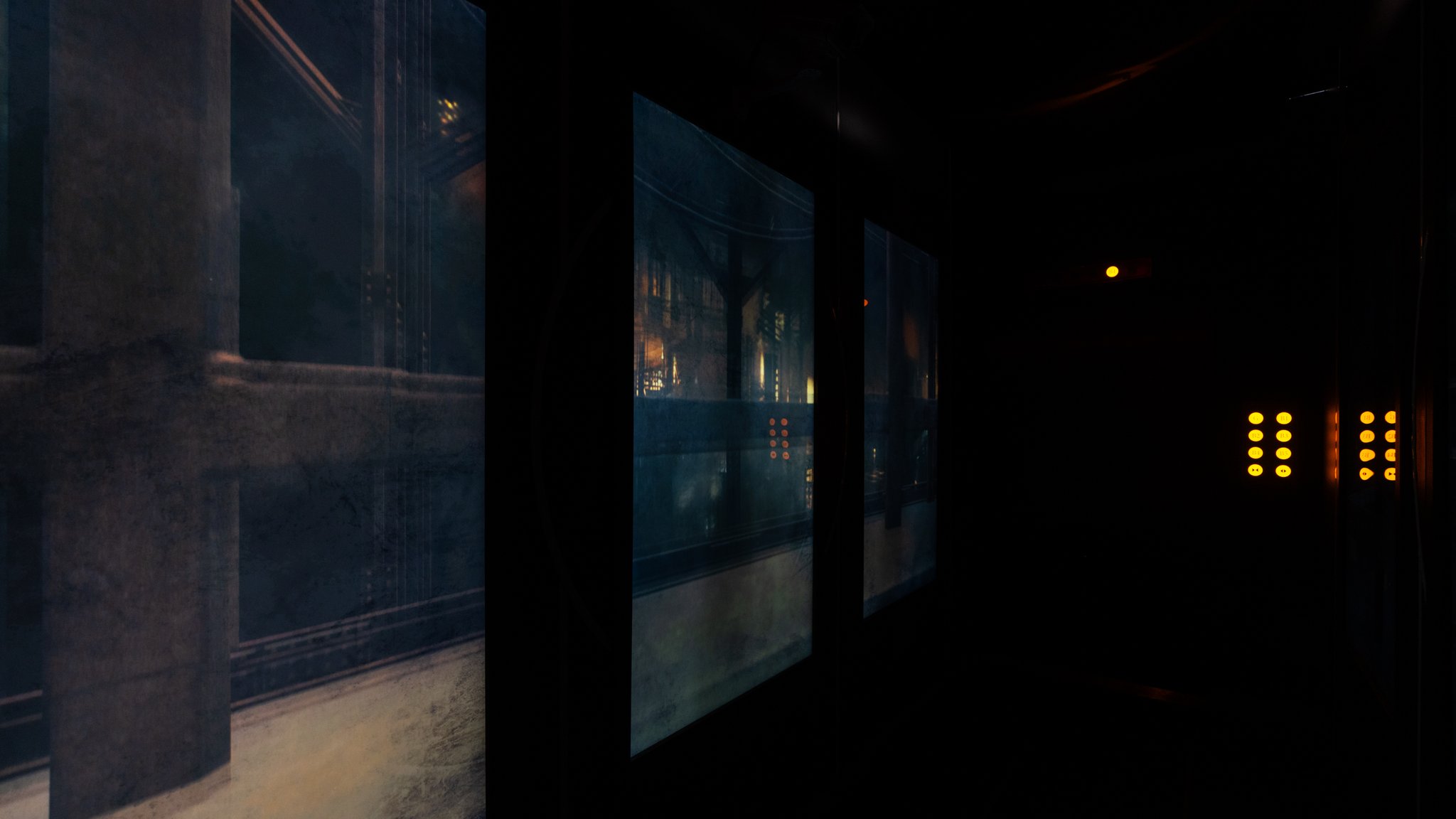
It wasn't atmosphere. It was a coordinated sensory argument. And it worked because no single element was asked to carry more than its share — the physical sensation confirmed what the eyes saw, the sound confirmed what the body felt, the content gave it all a place to live. By the time the indicator hit B4, guests weren't standing in a freight cab in downtown San Diego. They were somewhere beneath Gotham, waiting for the doors to open into the Iceberg Lounge.
What made it work wasn't any single effect. It was the commitment to belief — and the discipline to design every detail, from the airbags under the floor to the light level at B4, around a single sensory truth.
What made it work wasn't any single effect. It was the commitment to belief — and the discipline to design every detail, from the airbags under the floor to the light level at B4, around a single sensory truth.
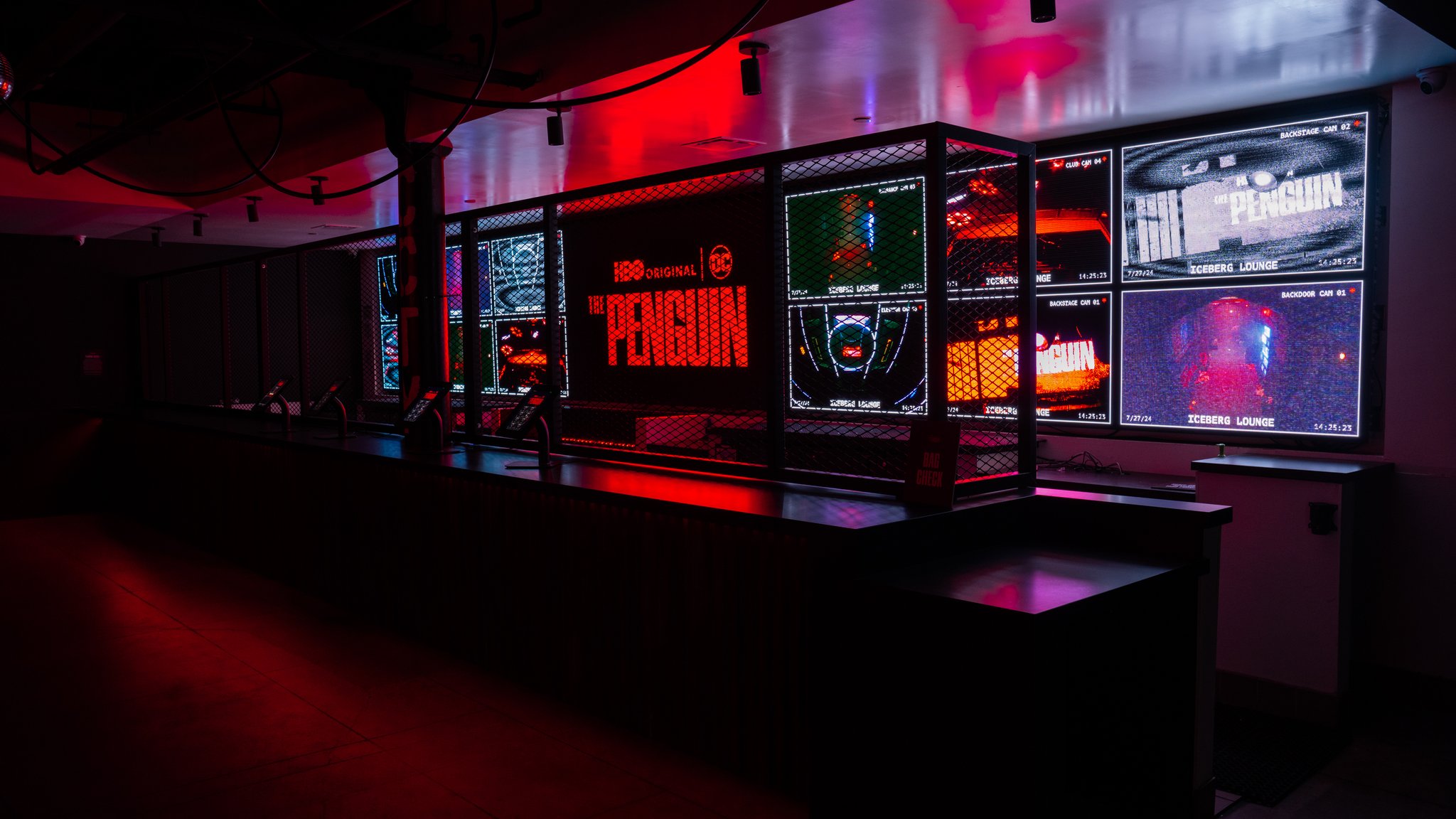
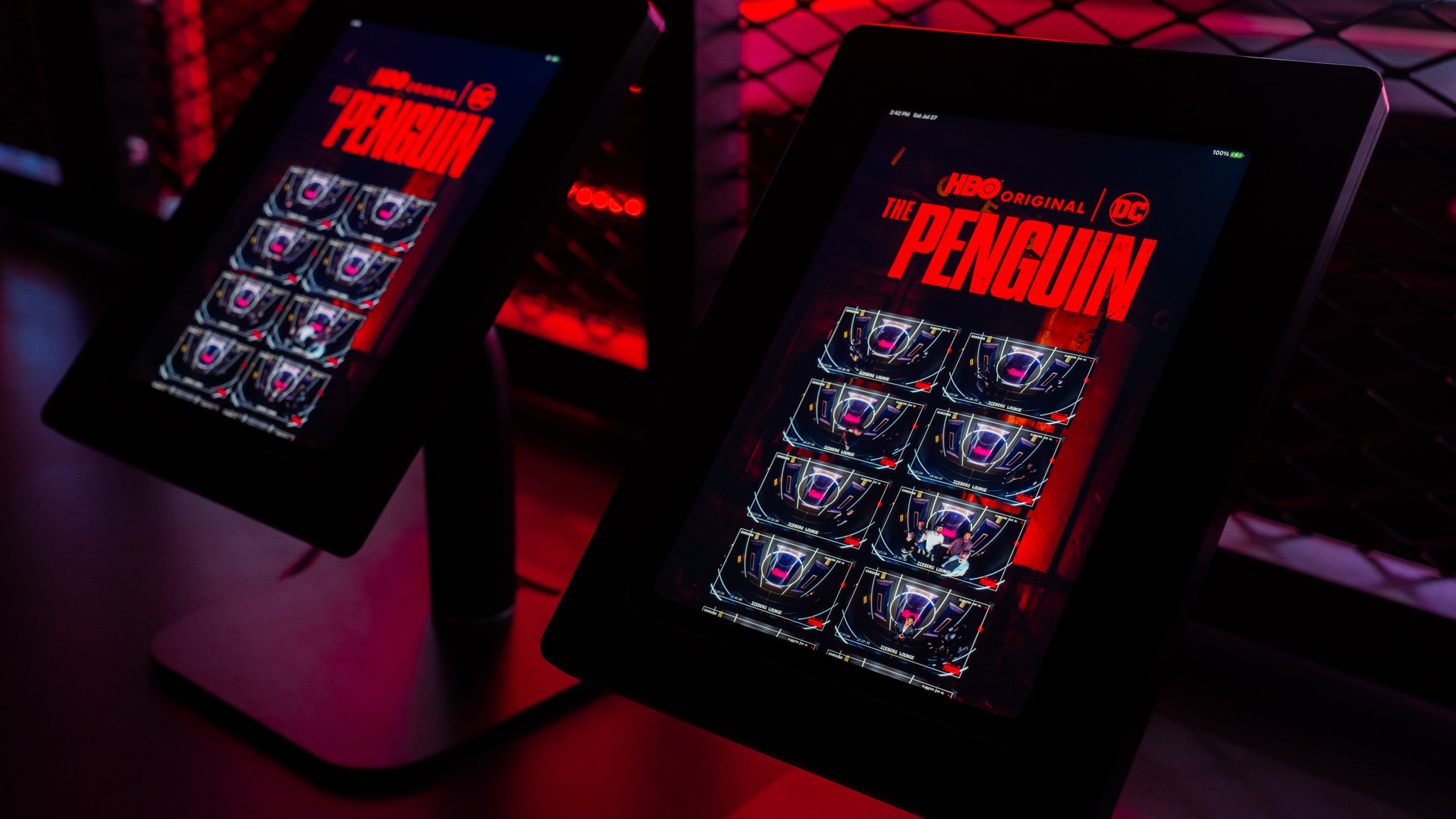
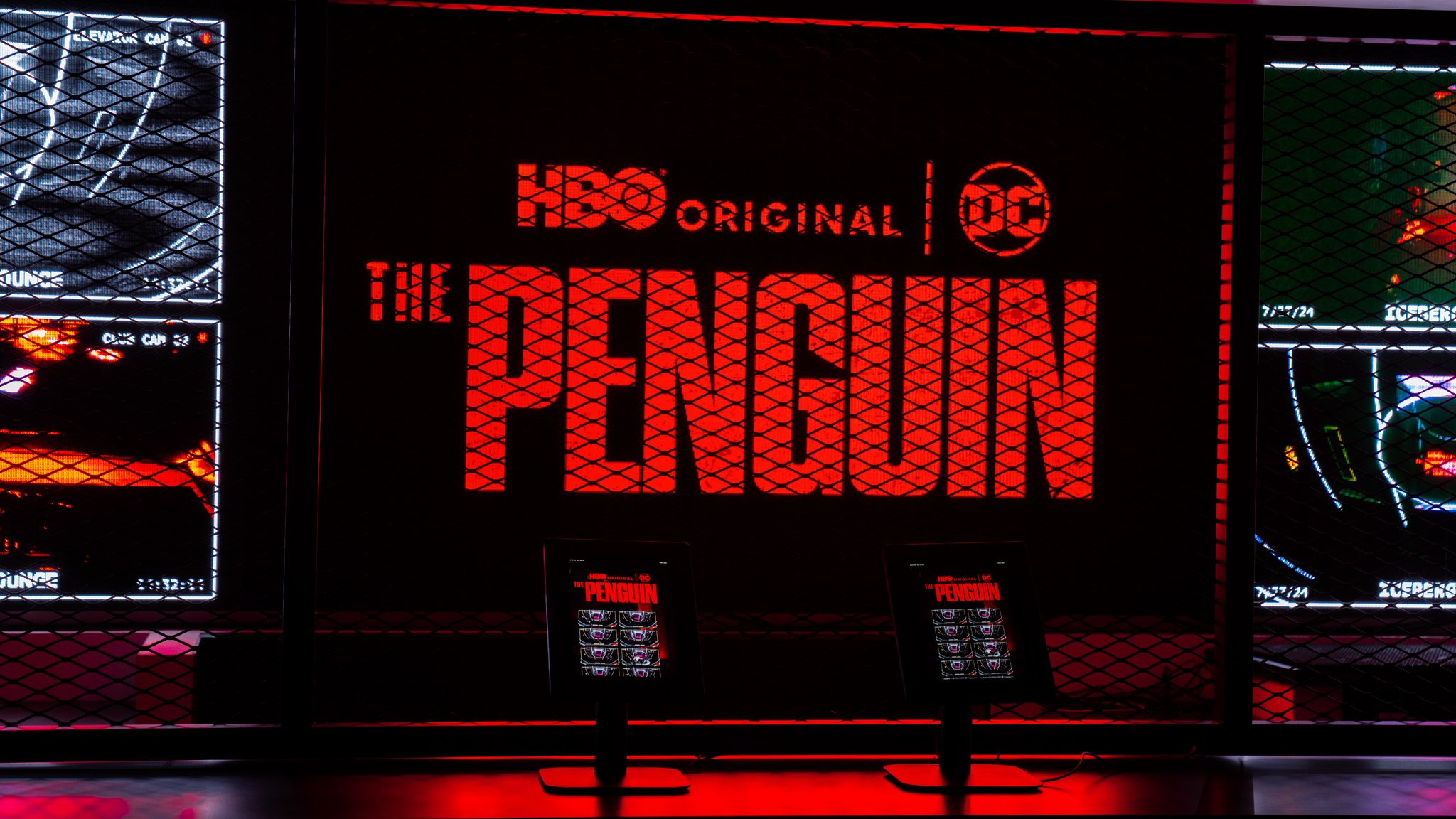
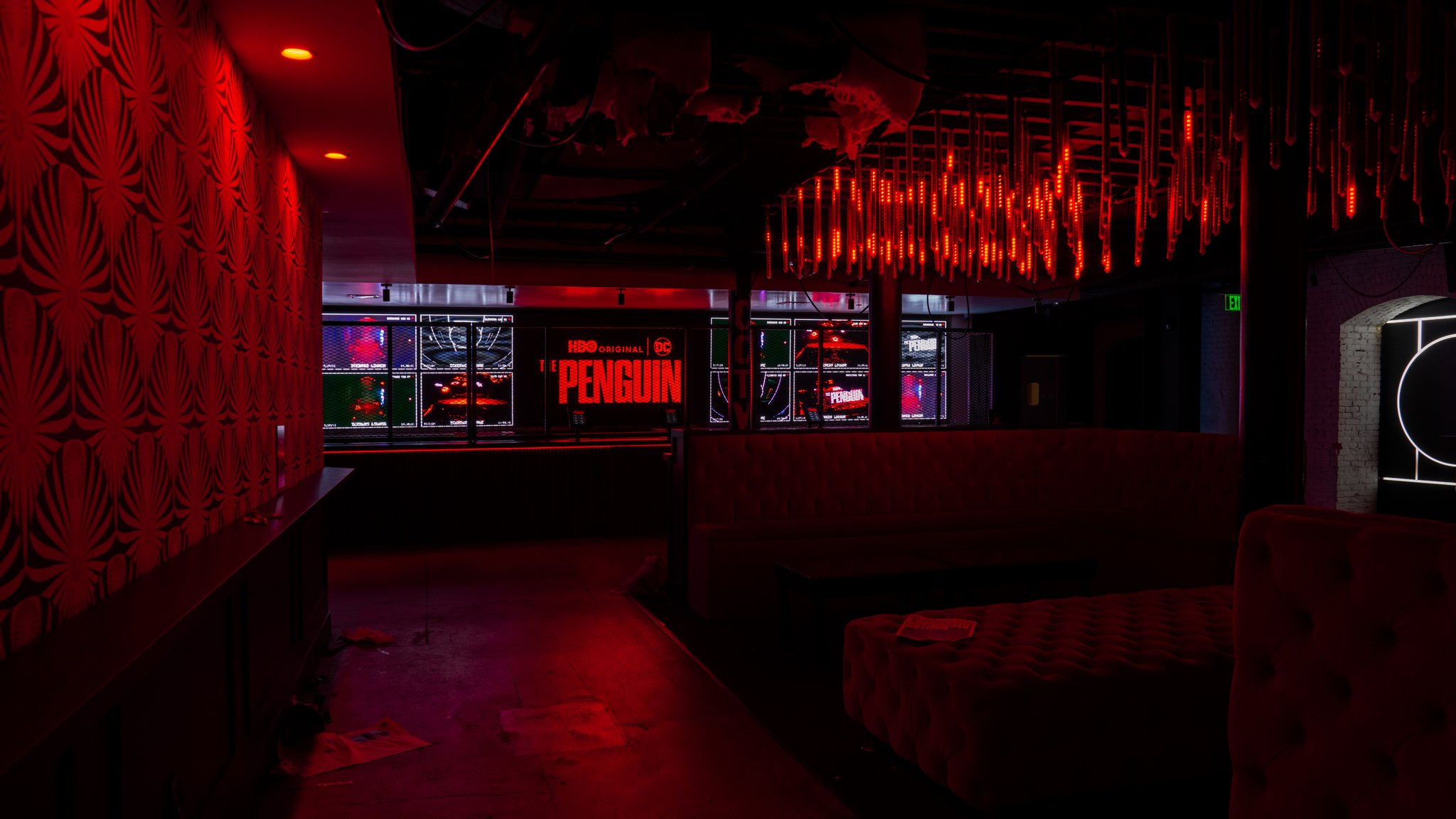
They did. Over two nights — including one interrupted by a fire at an adjacent property — 2,212 guests made the descent. The line stayed long. The experience was later nominated for best offsite at the Unofficial SDCC Blog's Shruggie Awards.