Kodansha House 2026
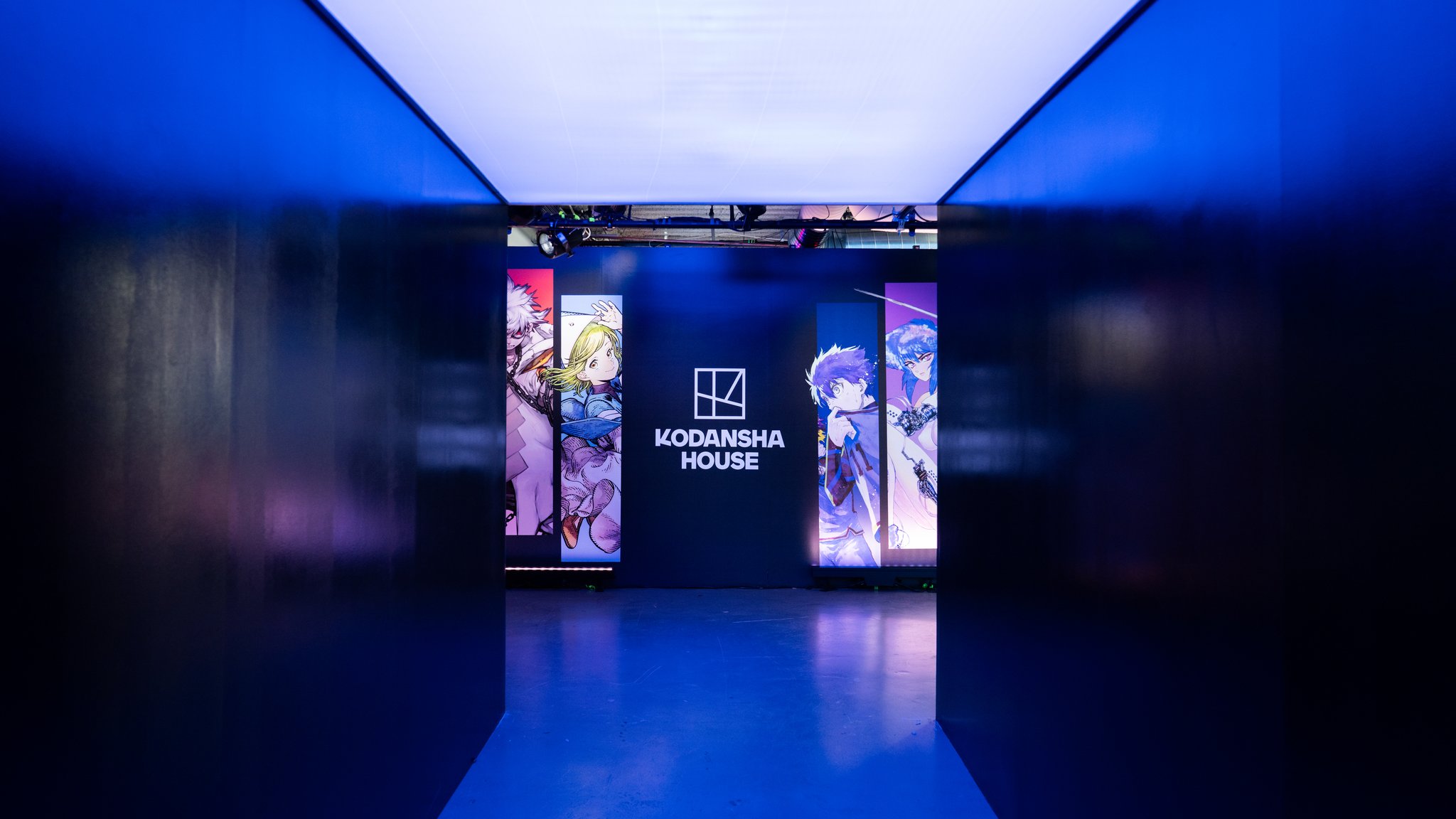
Kodansha House 2026
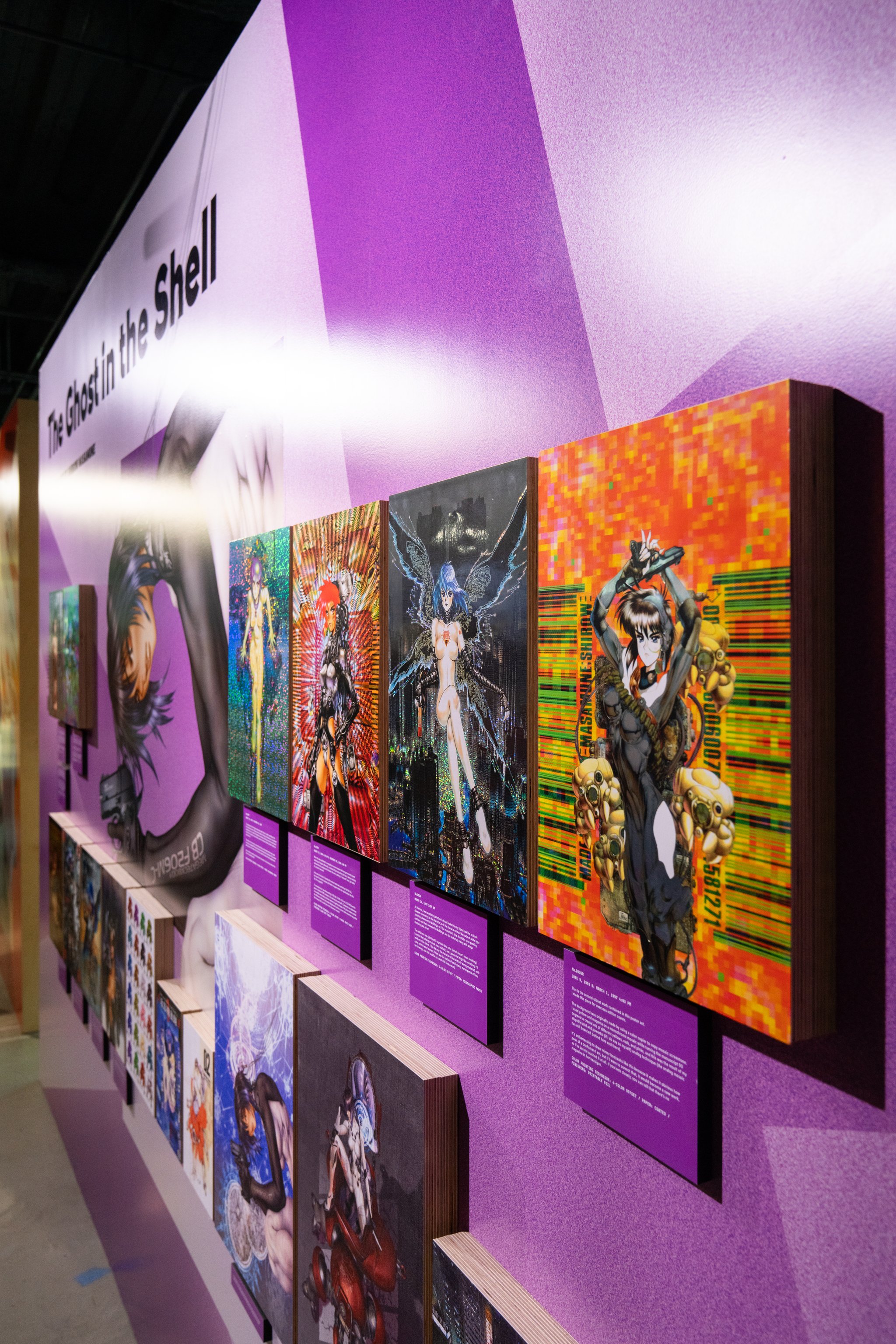
LA + NY Manga Experience2603 For most fans in North America, Kodansha is invisible in plain sight. They know the stories — Blue Lock, AKIRA, Attack on Titan, Ghost in the Shell — but not the name of the house those stories come from. Kodansha came to us with an ambition that ran deeper than a pop-up: build a physical home for the brand itself across two cities, and make Kodansha — not just its IP — something fans recognize, feel, and want to belong to. Two markets, two moments: Little Tokyo, Los Angeles in July, and SoHo, New York in October. Free entry. Drop in. Stay a while.
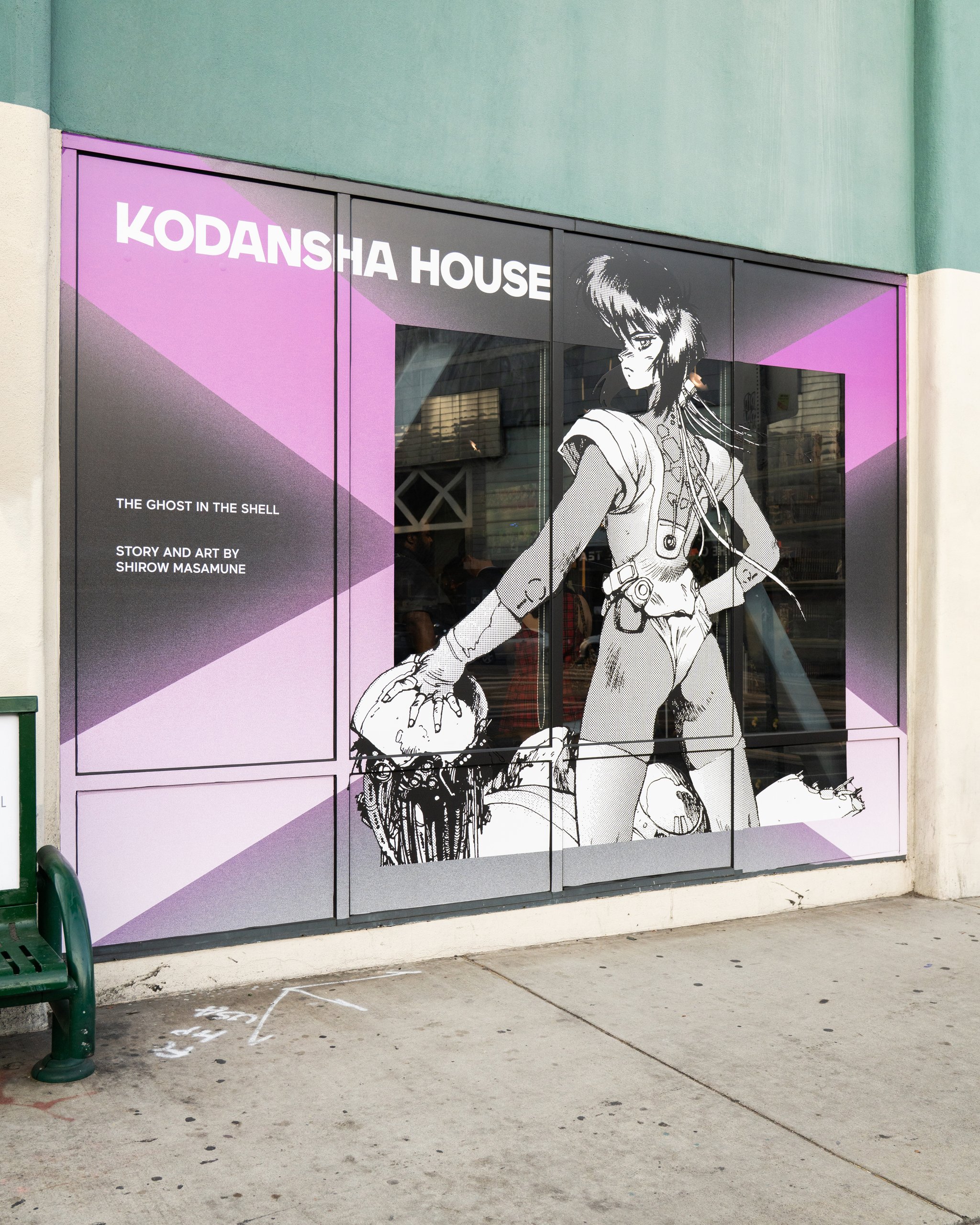
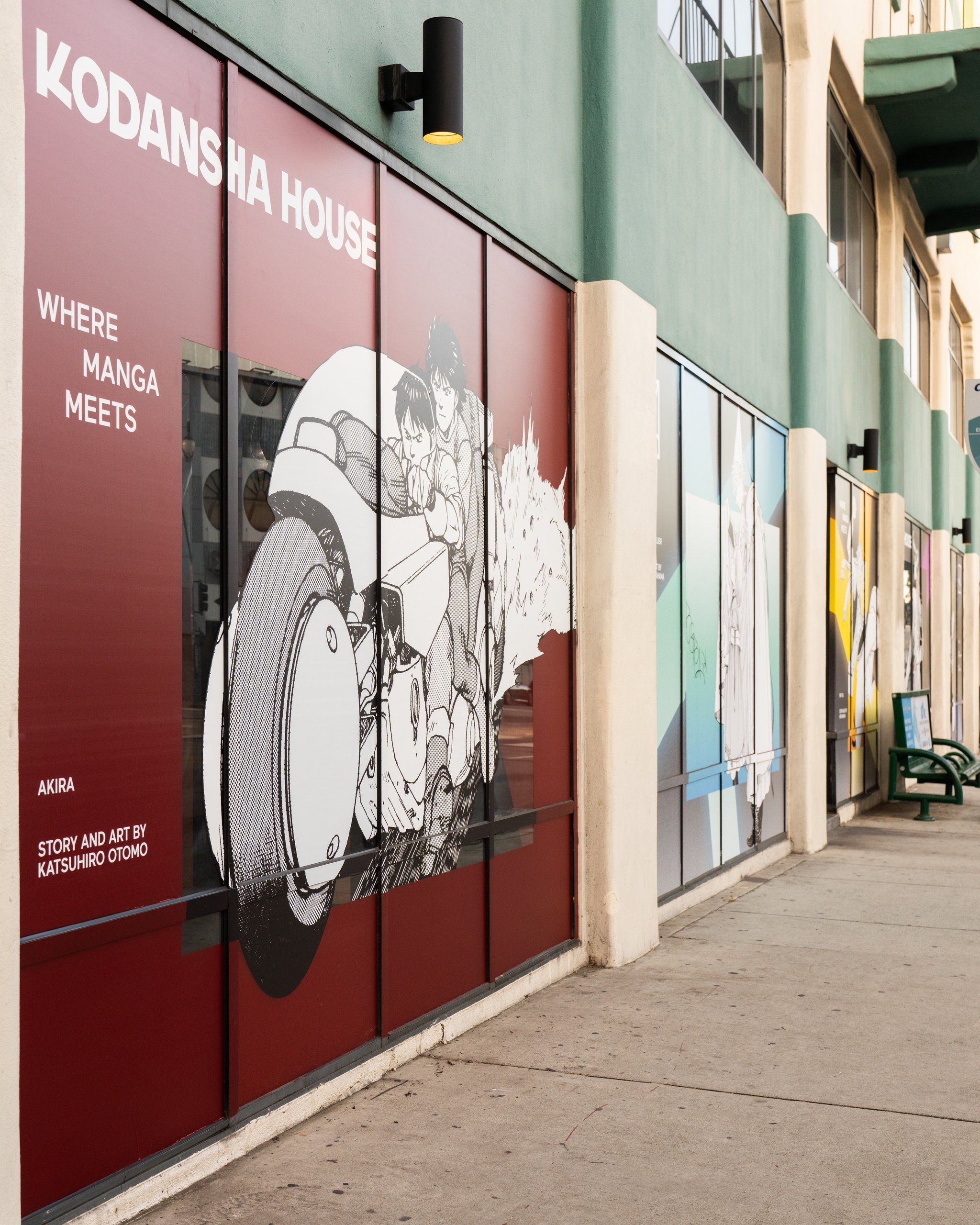
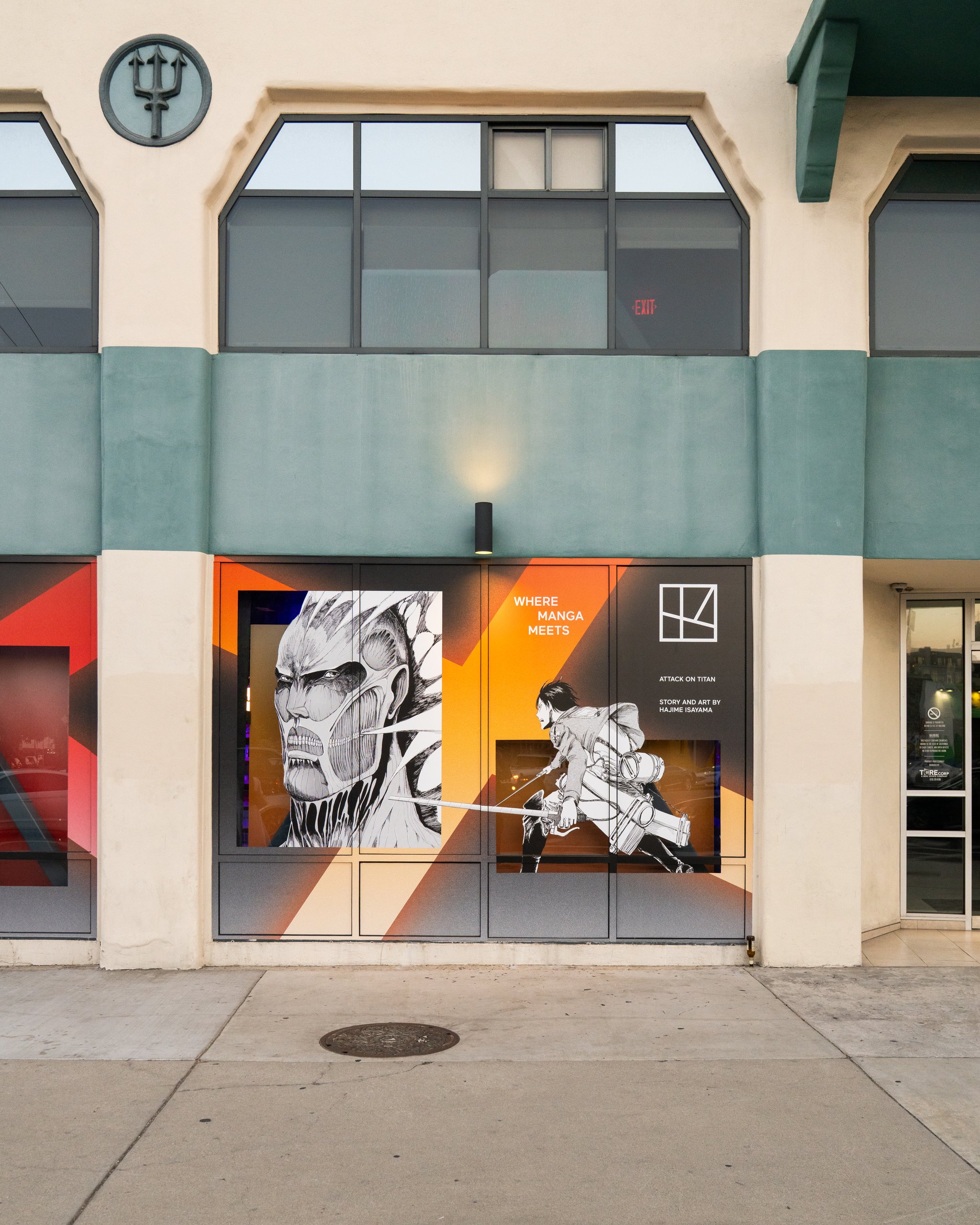
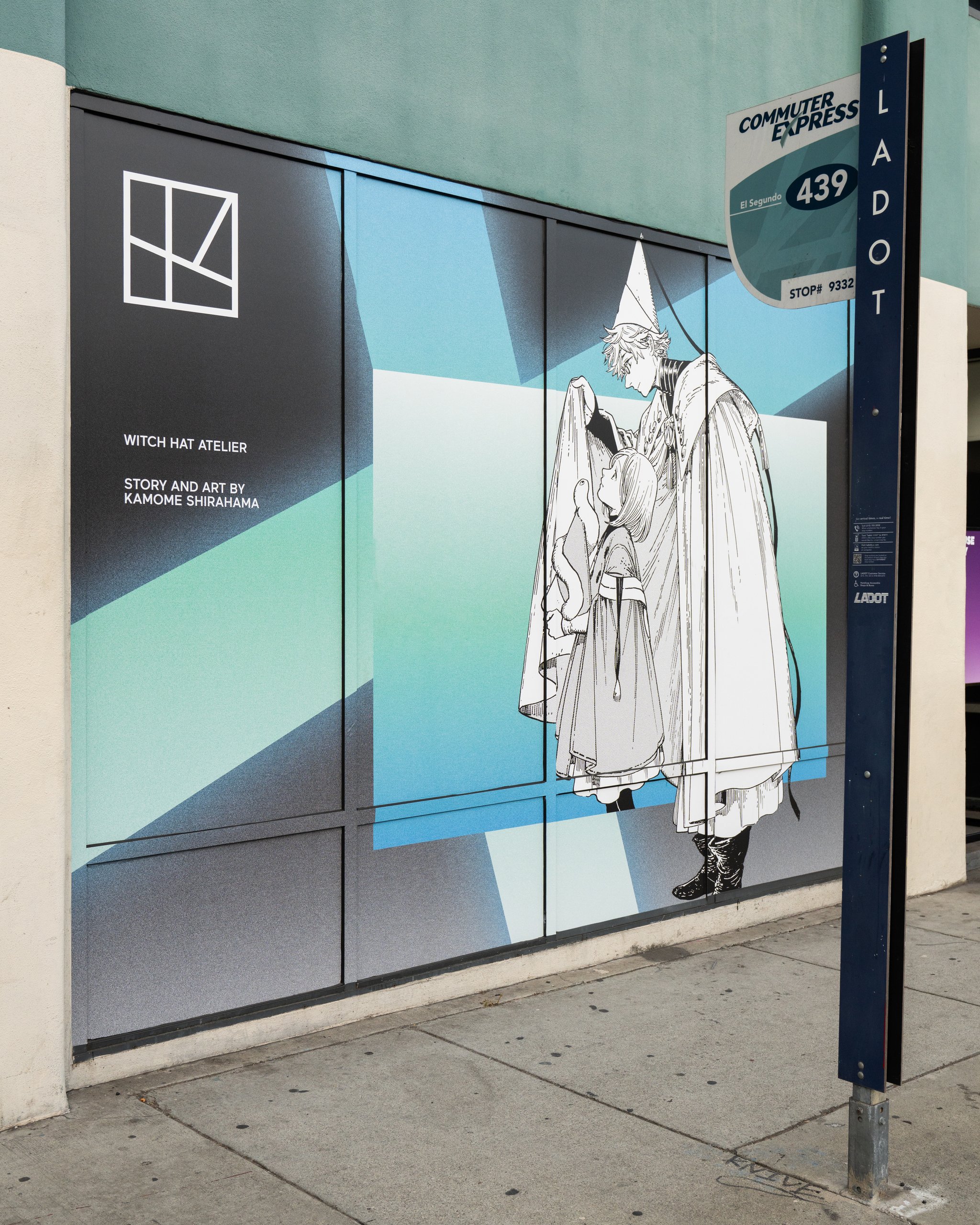
The opening question wasn't how to display manga. It was how to let people step inside it. The organizing idea was "Beyond Shonen" a deliberate move to show the breadth of Kodansha's catalog past the single genre most audiences expect it to be, anchored by a primary IP focus on Blue Lock. The brief we heard underneath the brief was about belonging: Kodansha didn't want a taller, louder ad. It wanted a third space, somewhere fans could gather, connect, and see themselves reflected back.
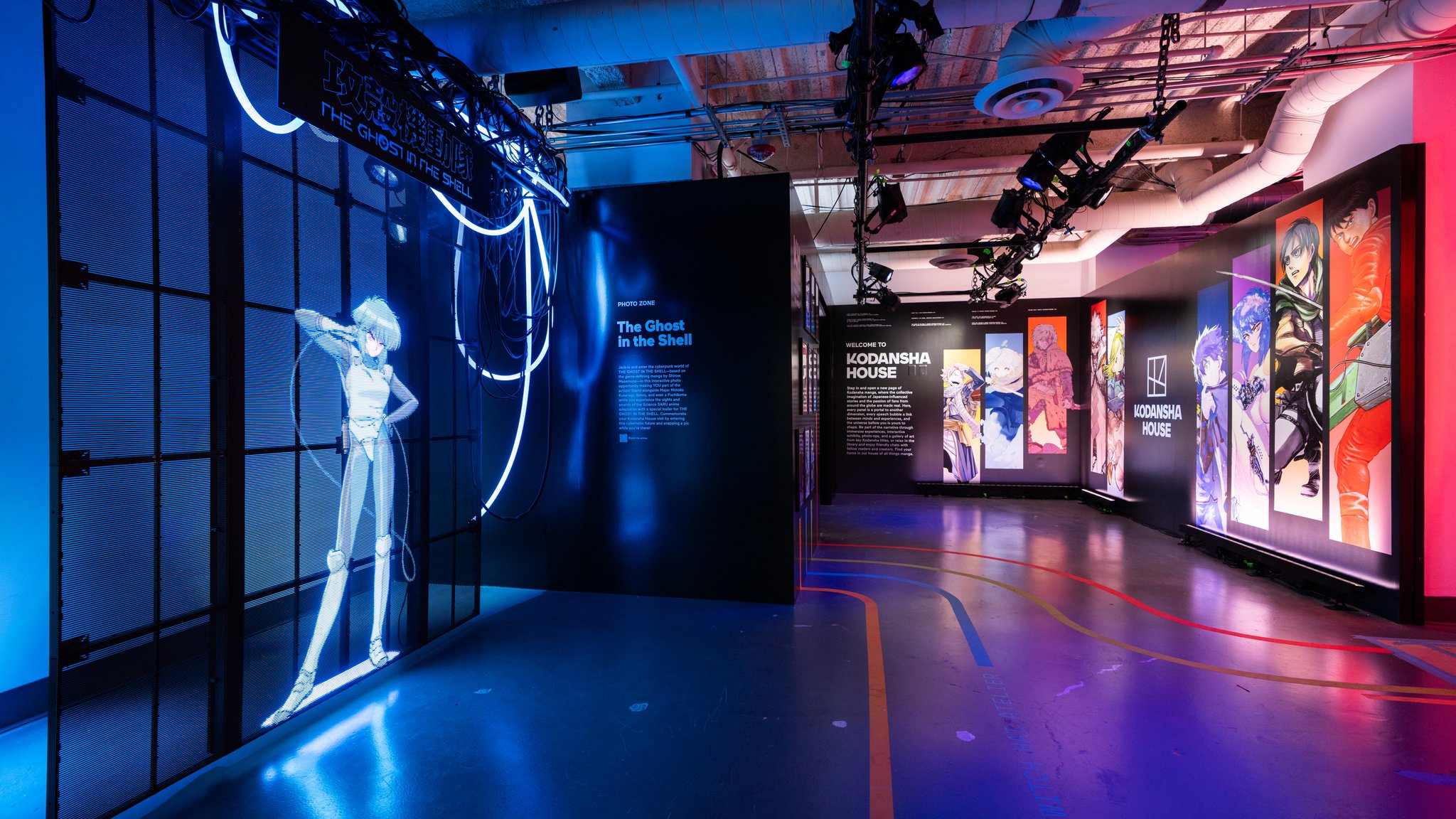
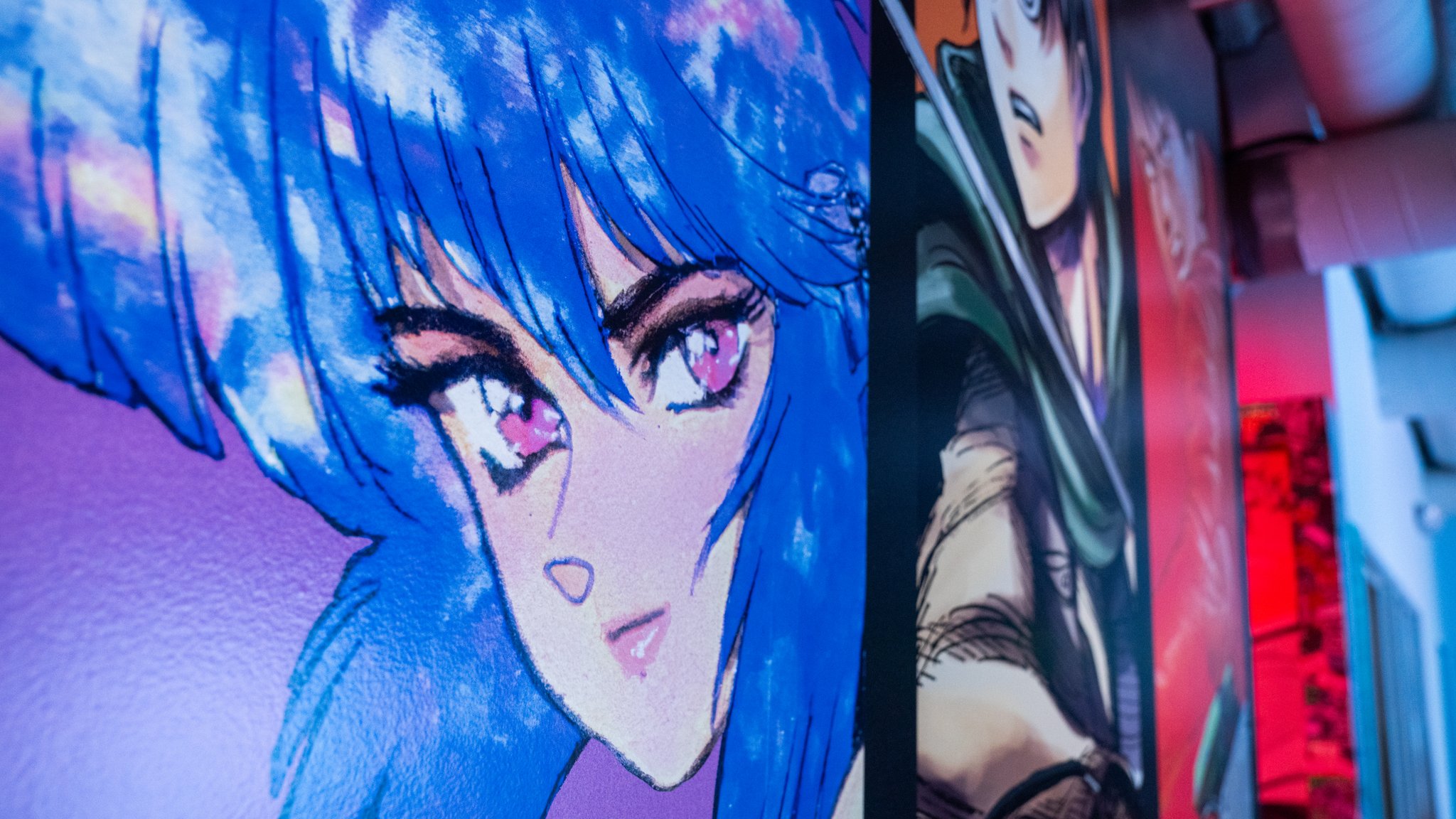
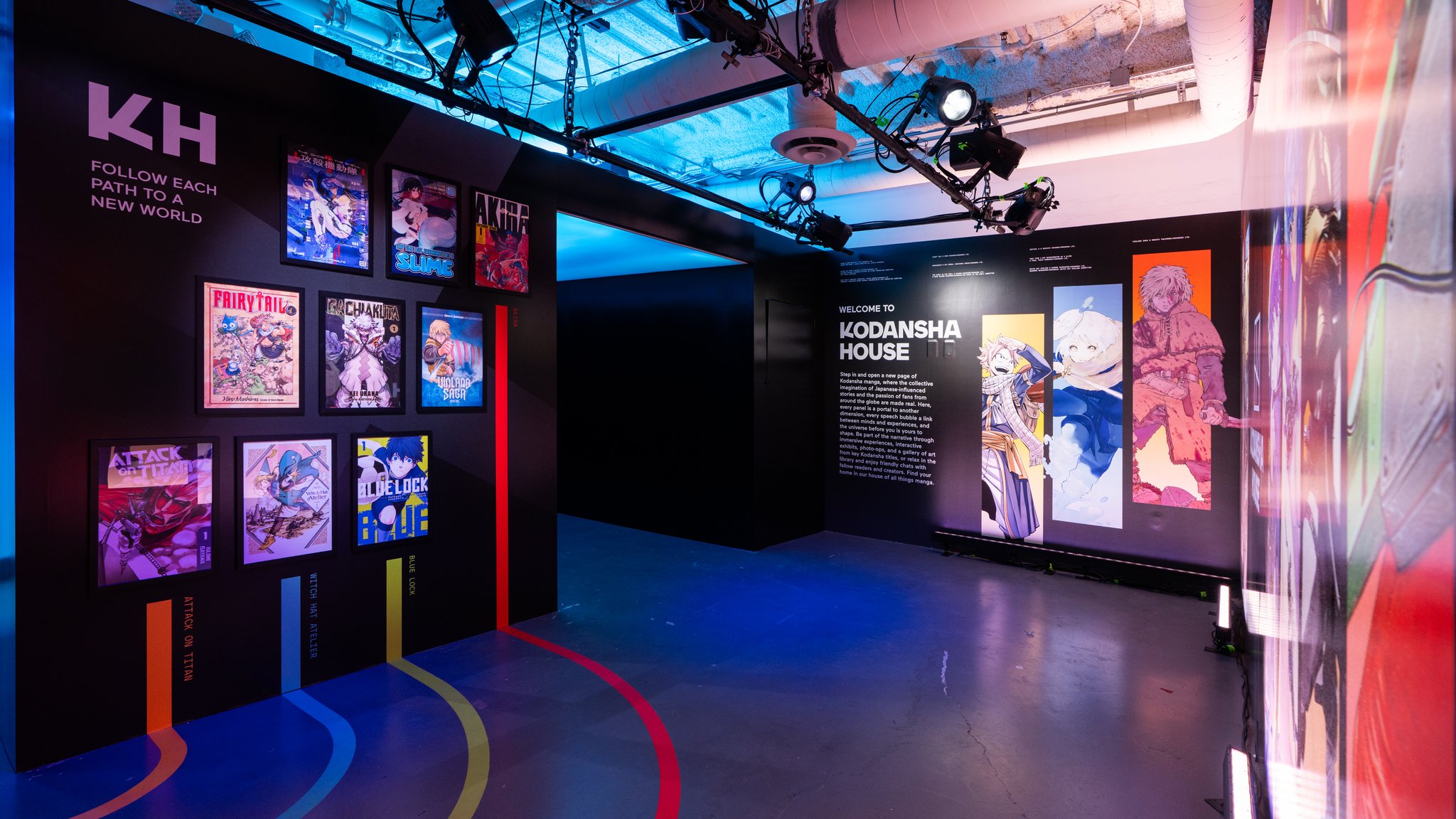
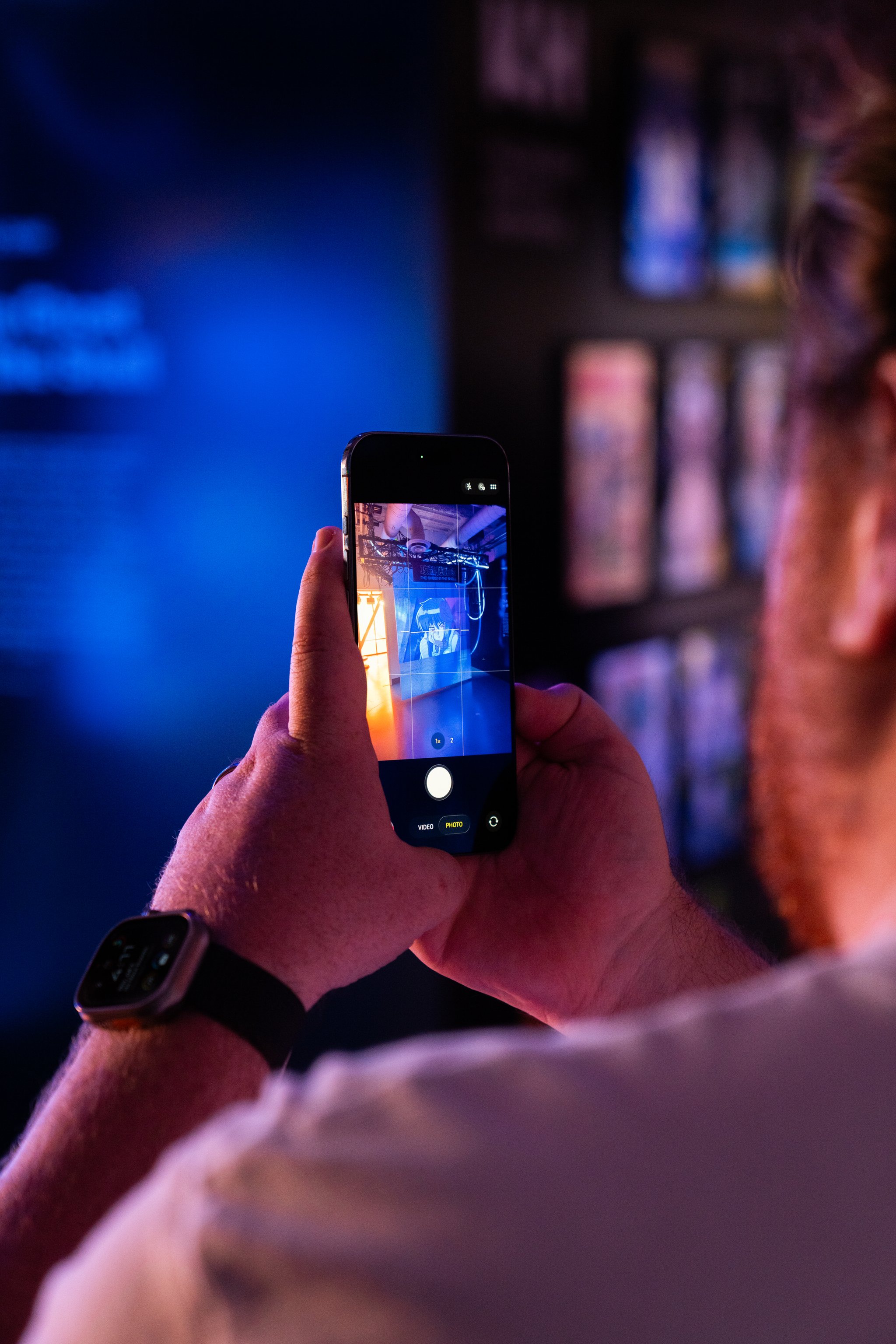
The central creative move was Breaking the Frame. Manga lives in two dimensions, black ink on a white page, contained by the panel. The activation pulled it into three. Characters that begin as still illustrations come to life outside the frame; walls, text, and surfaces are rendered in screentone shading and stylized linework so that walking in feels like stepping into a page mid-story. Visitors stopped being readers and became characters, the line between the audience and the world blurred by design.
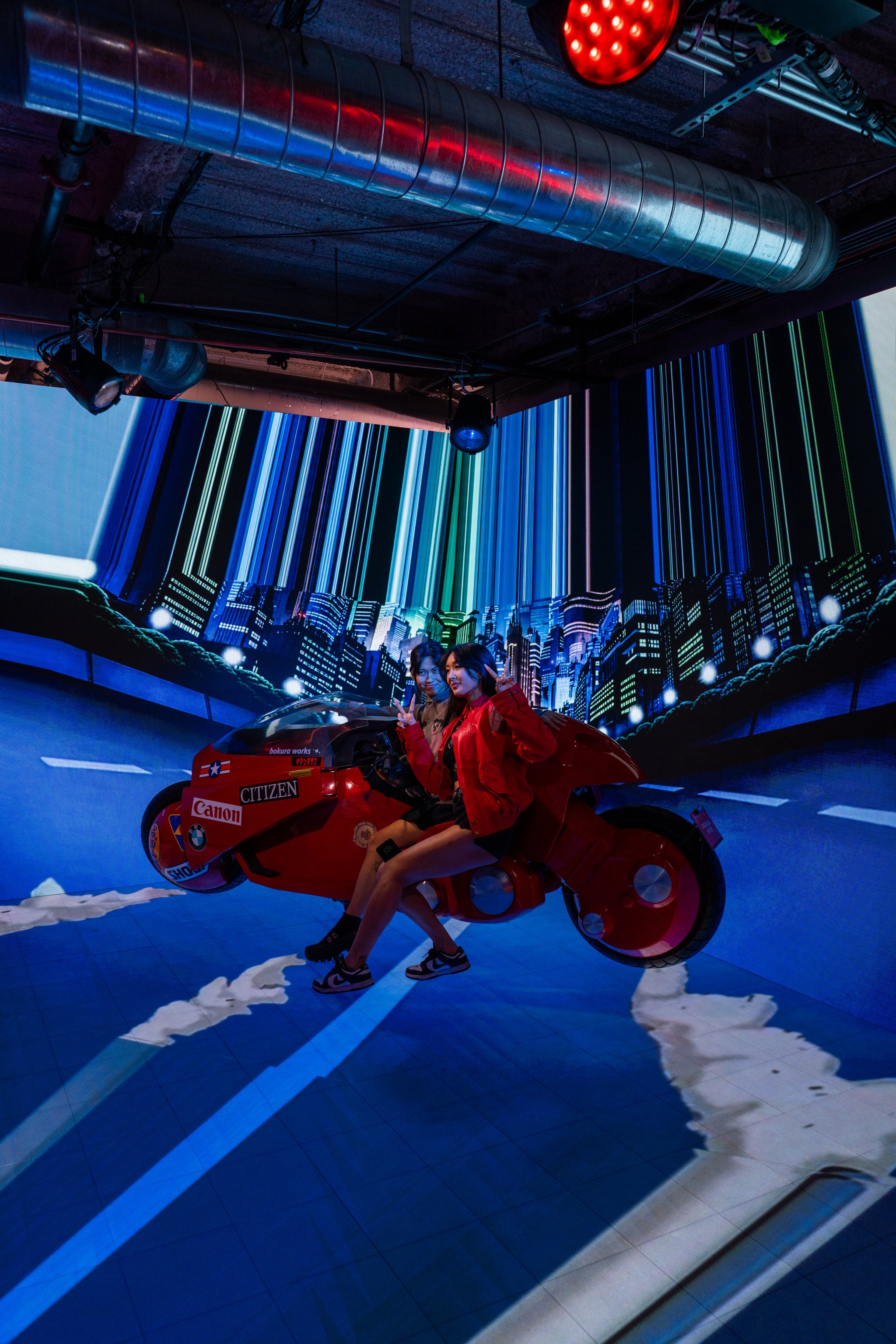
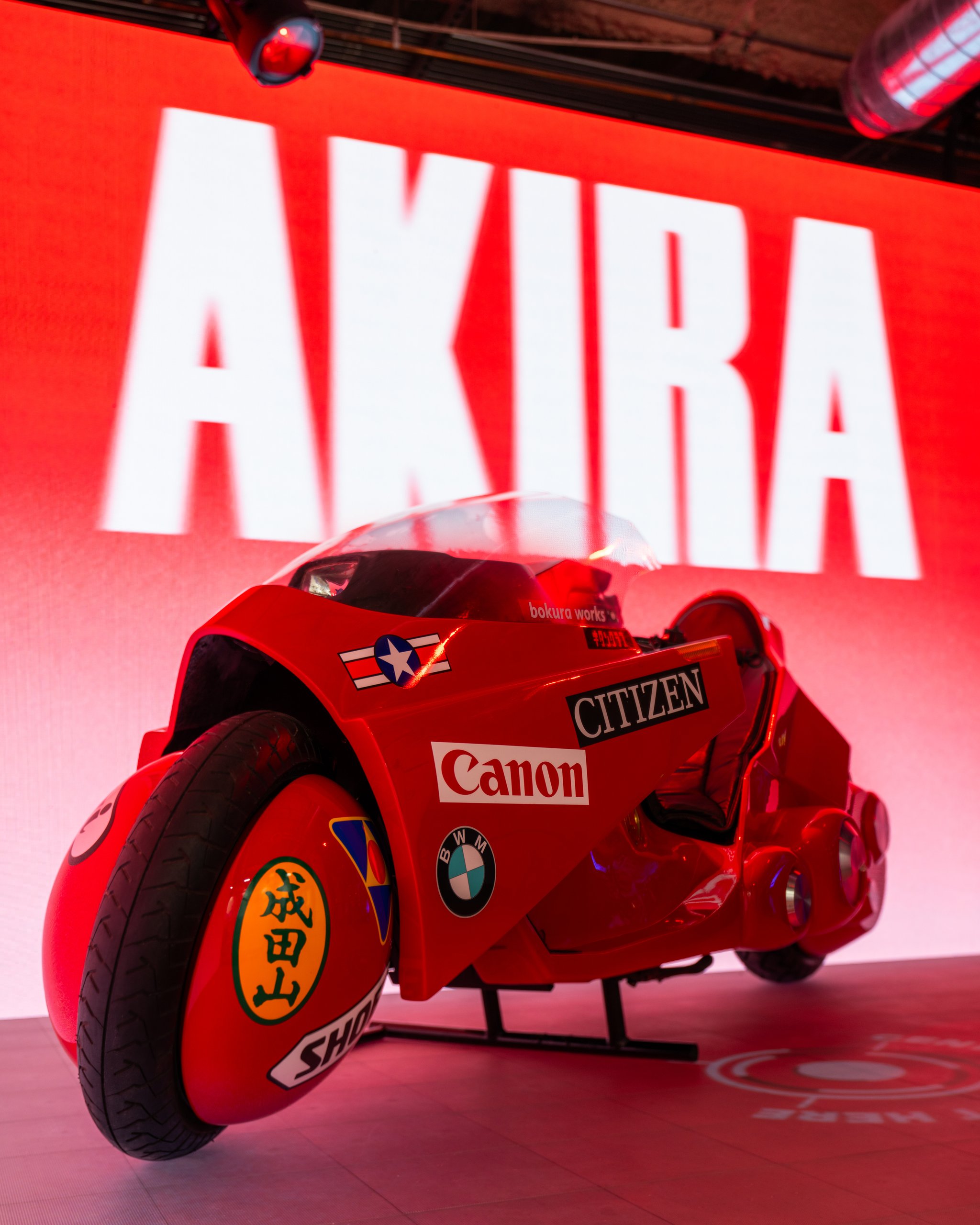
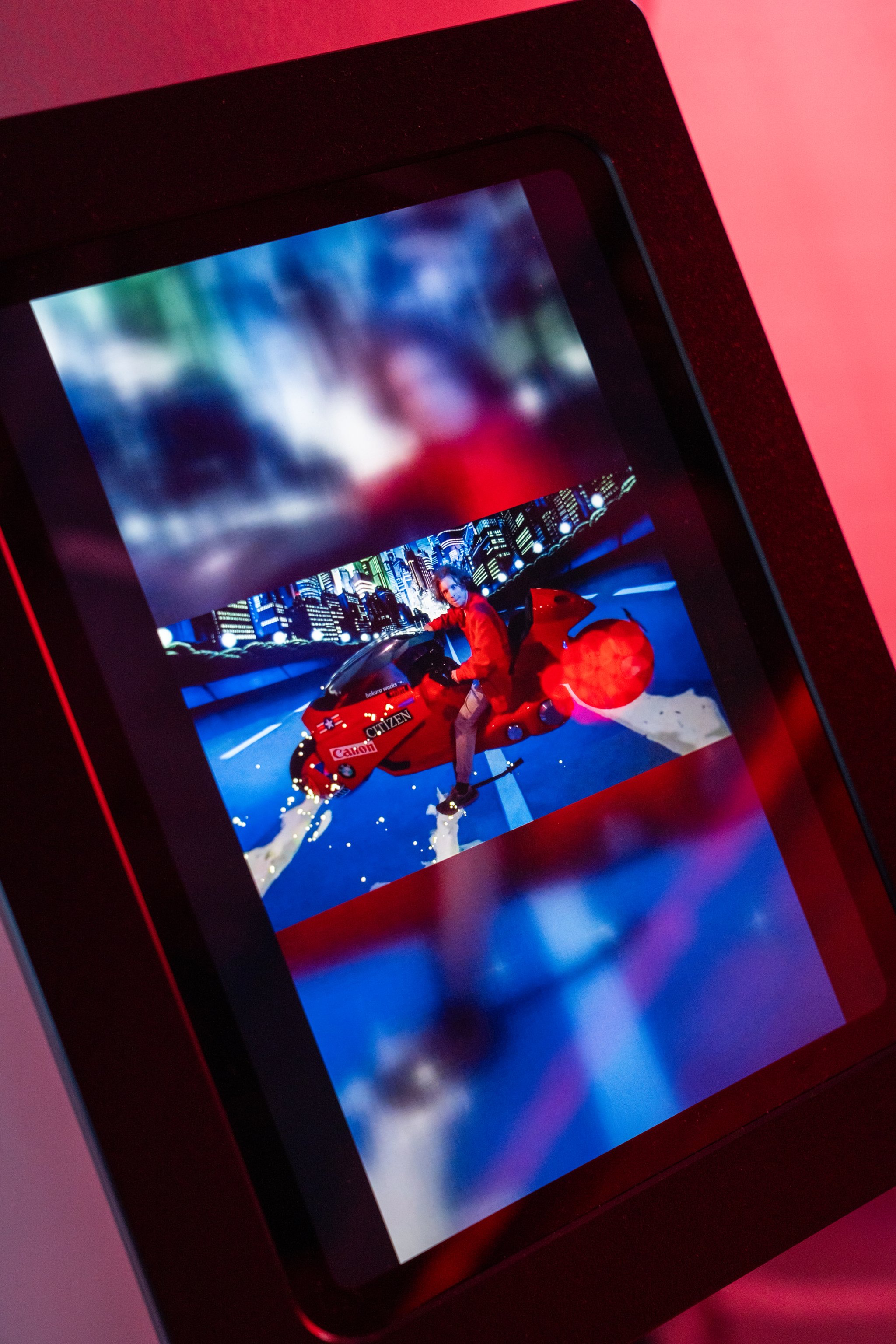
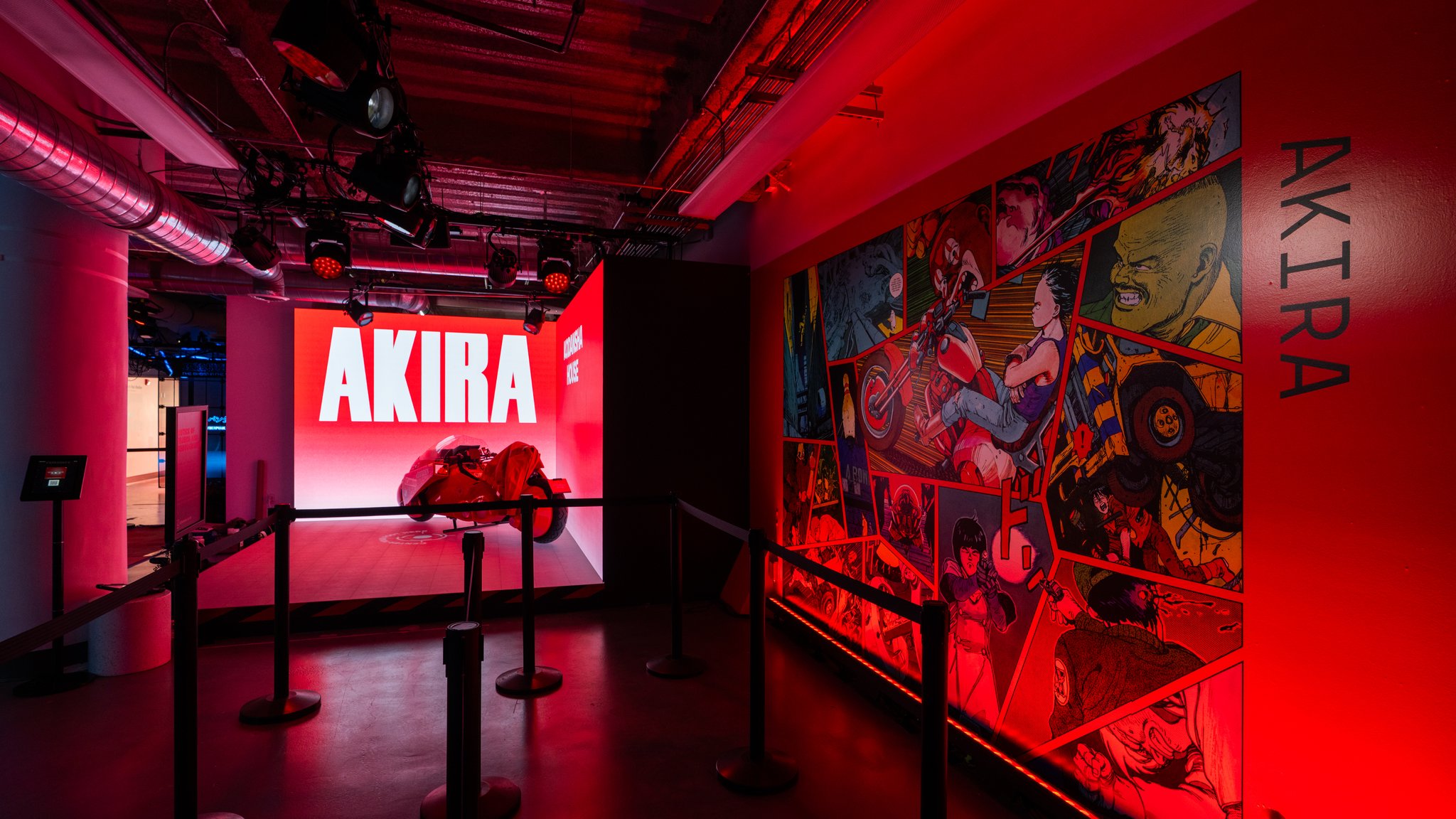
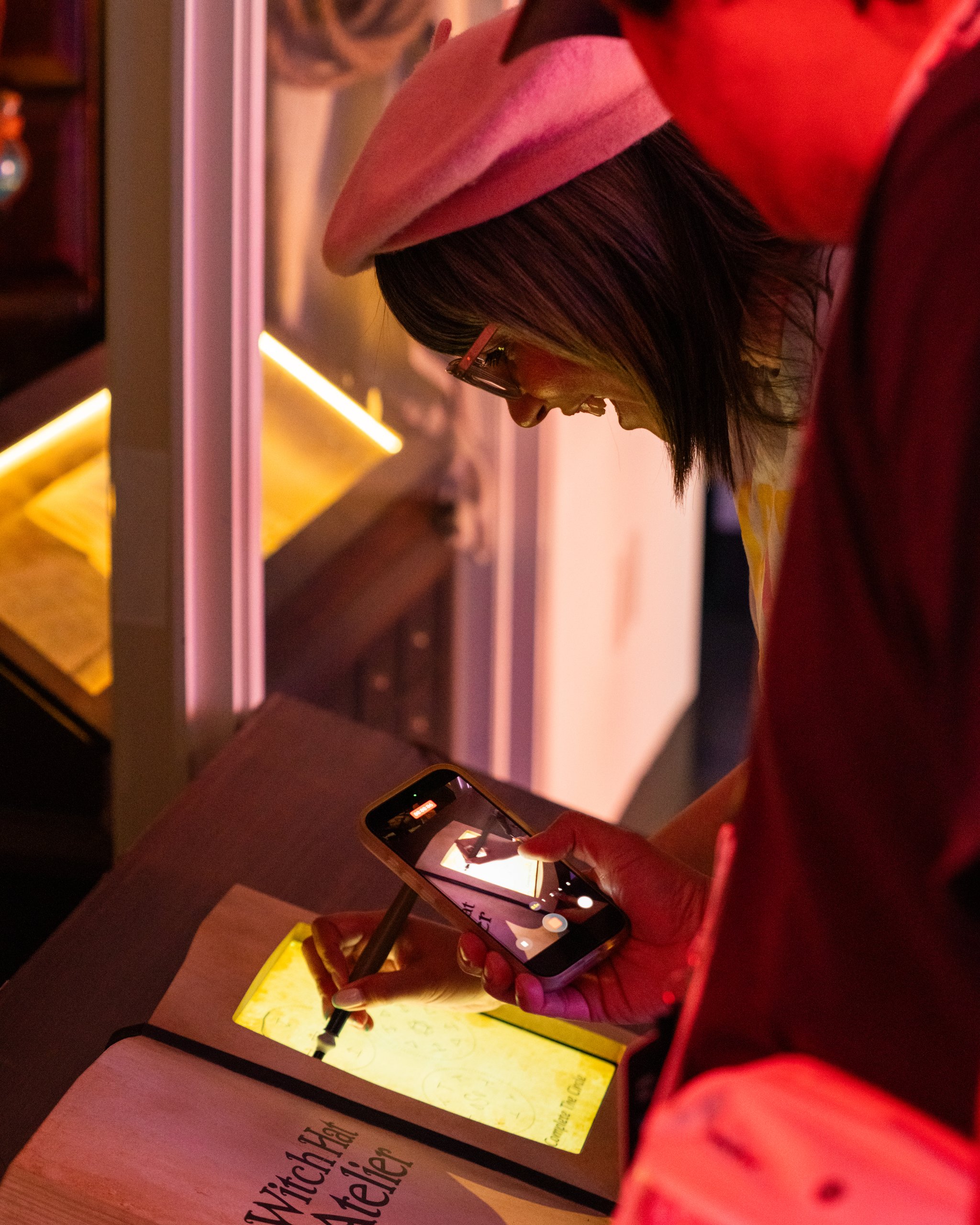
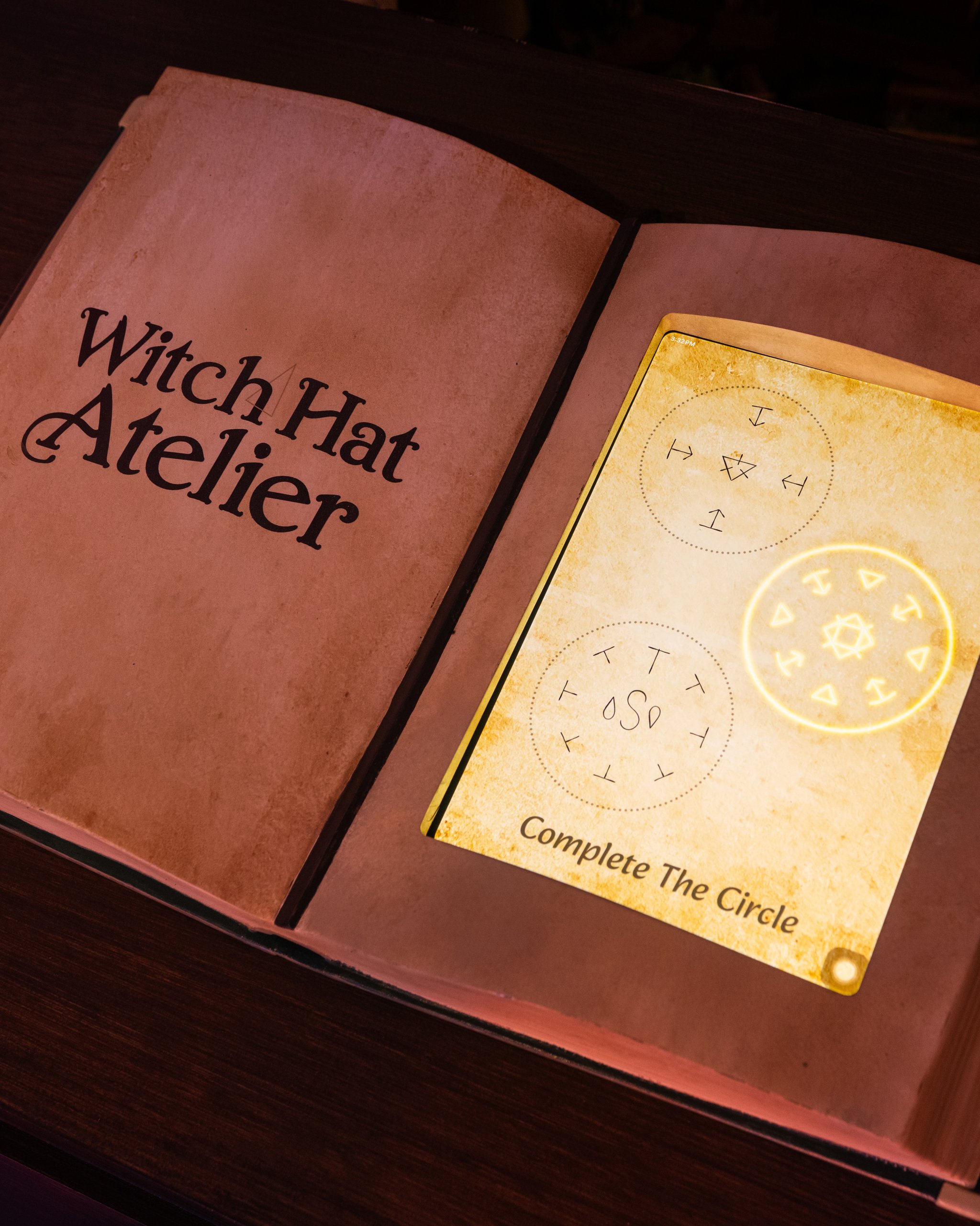
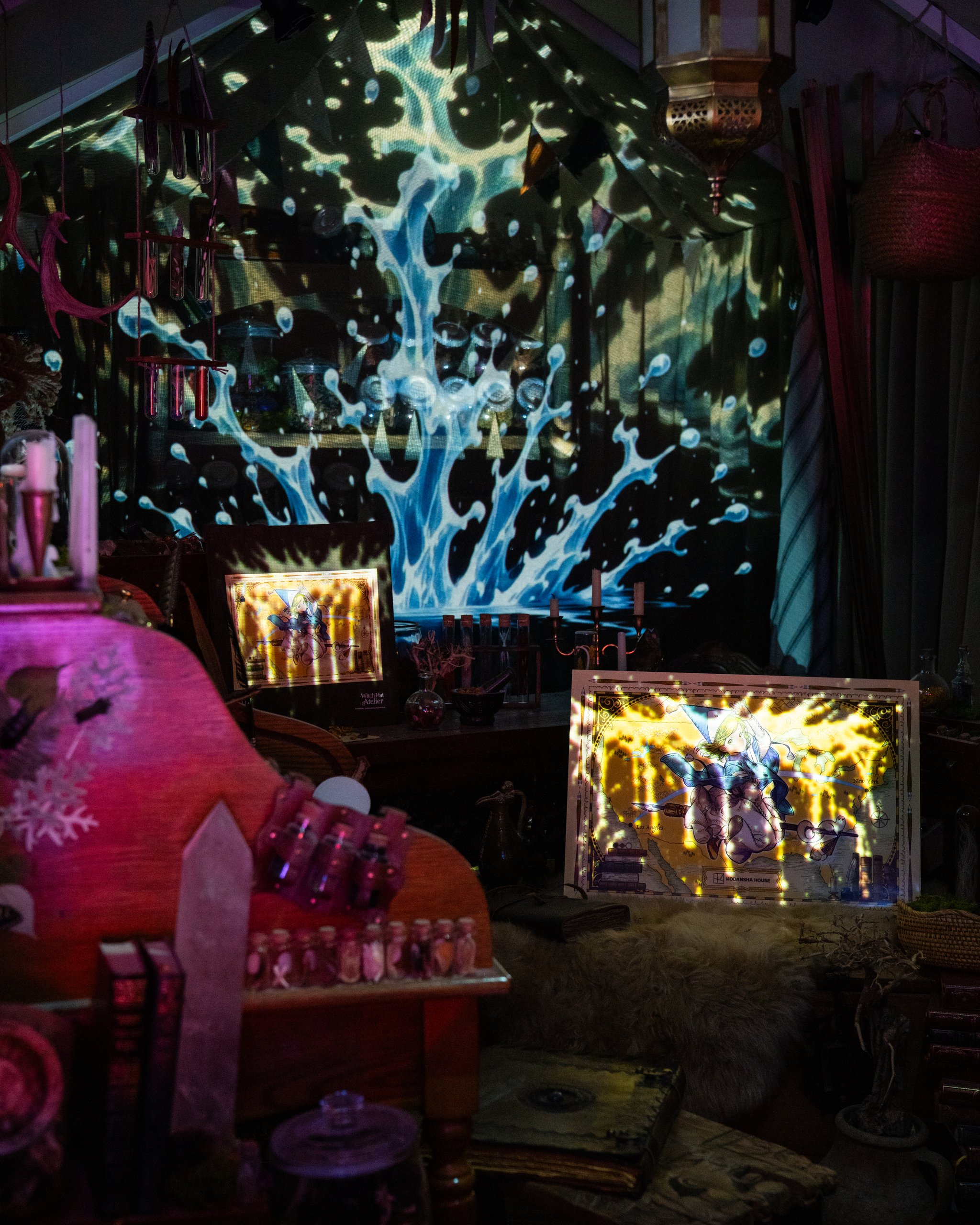
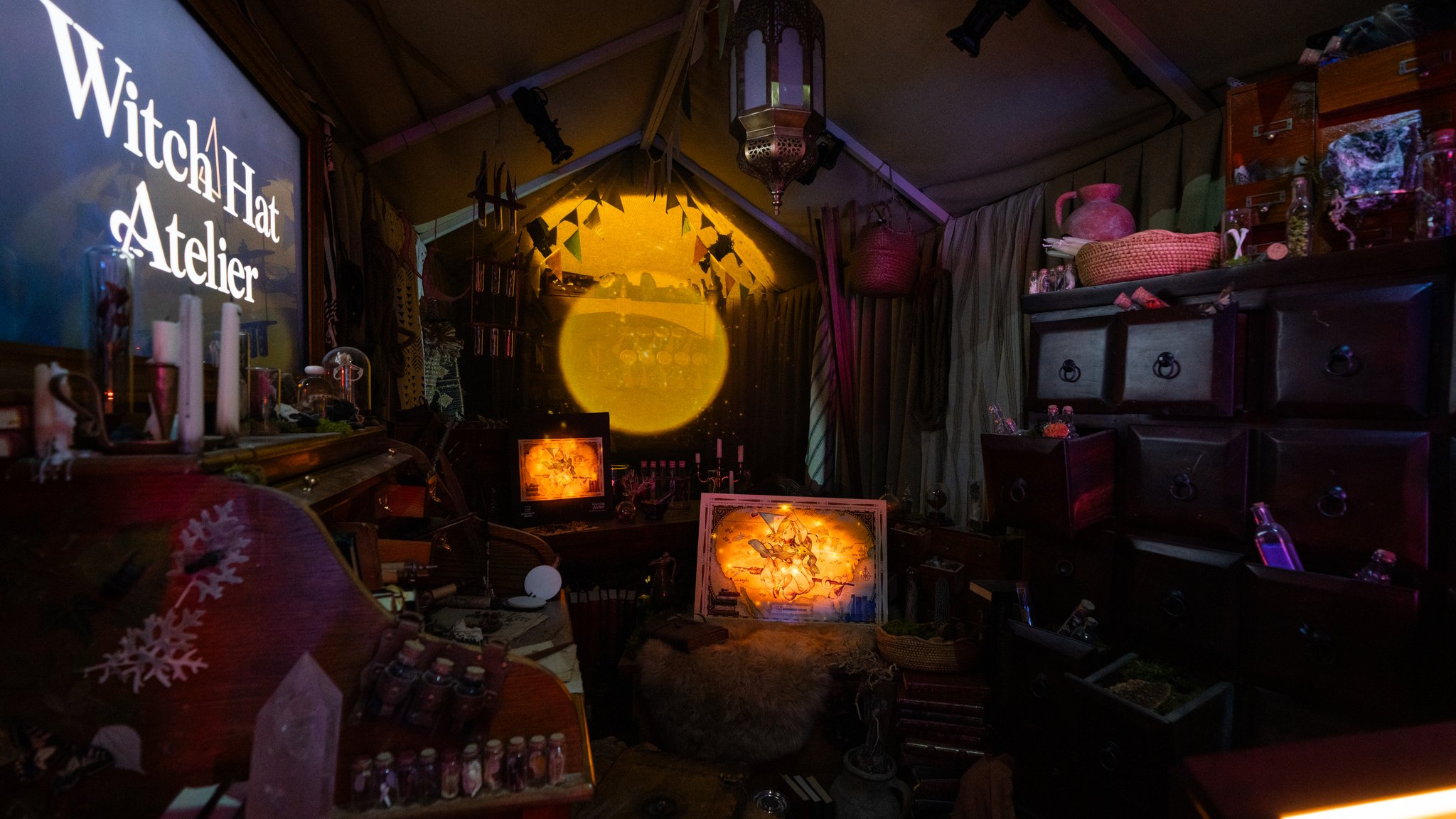
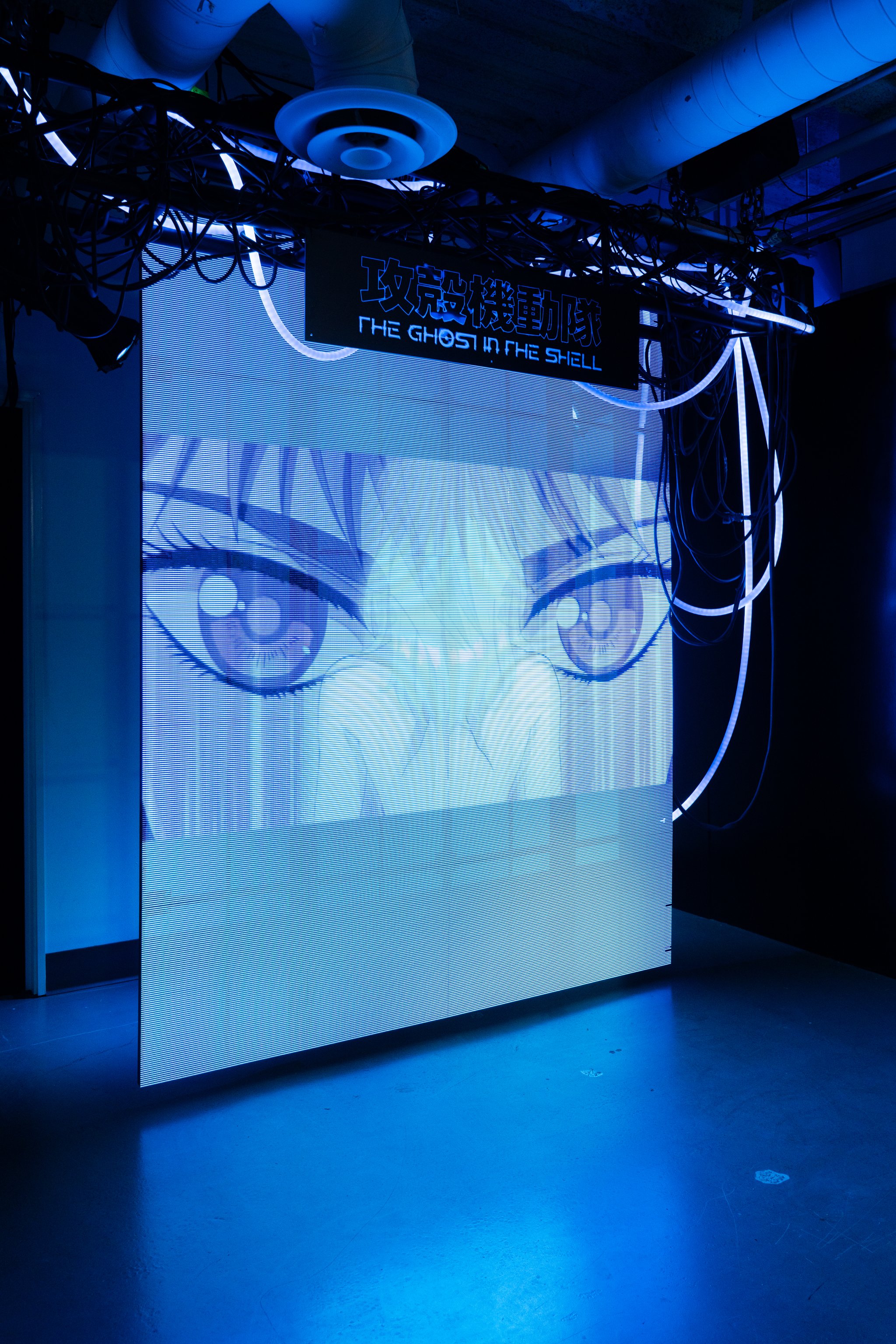
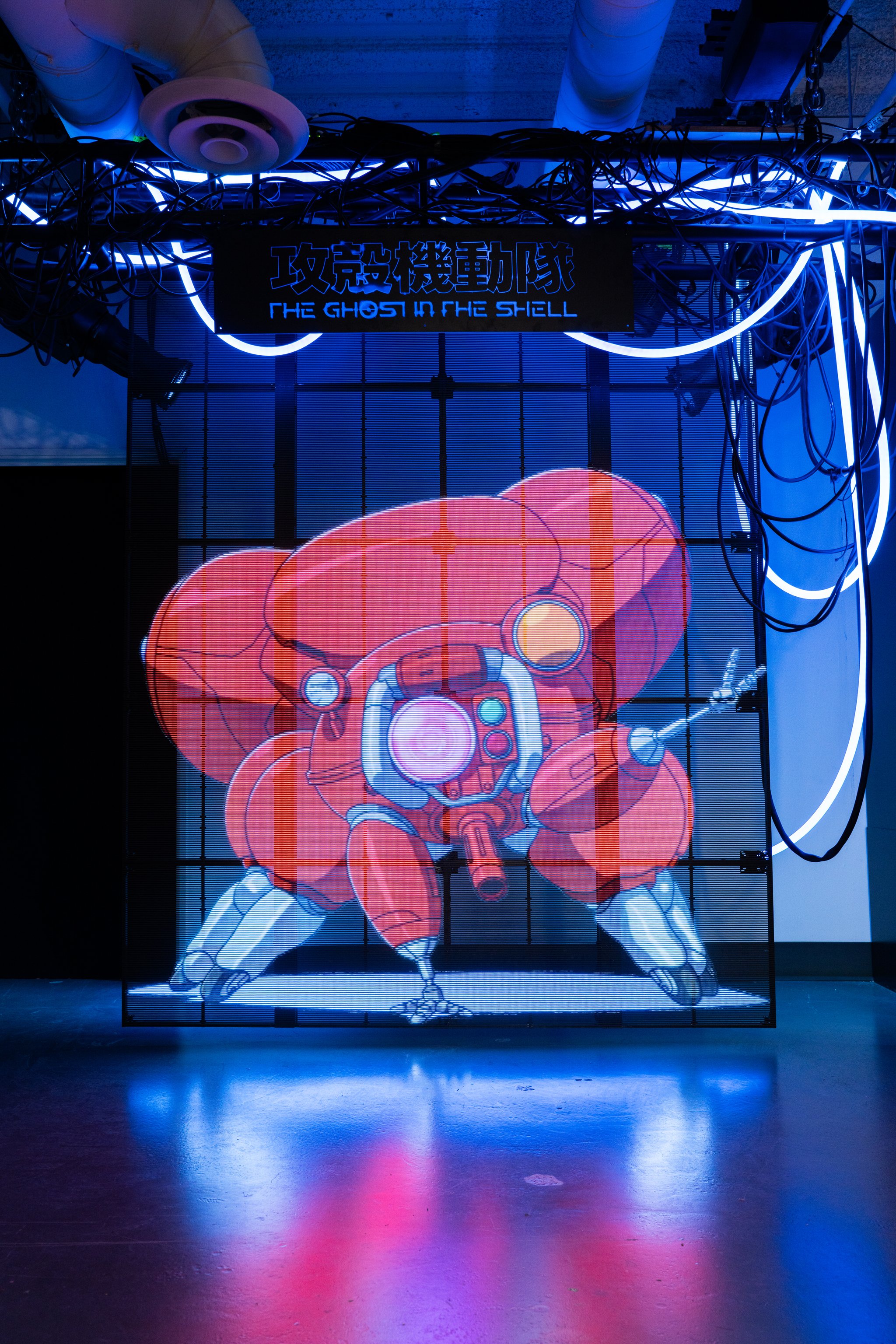
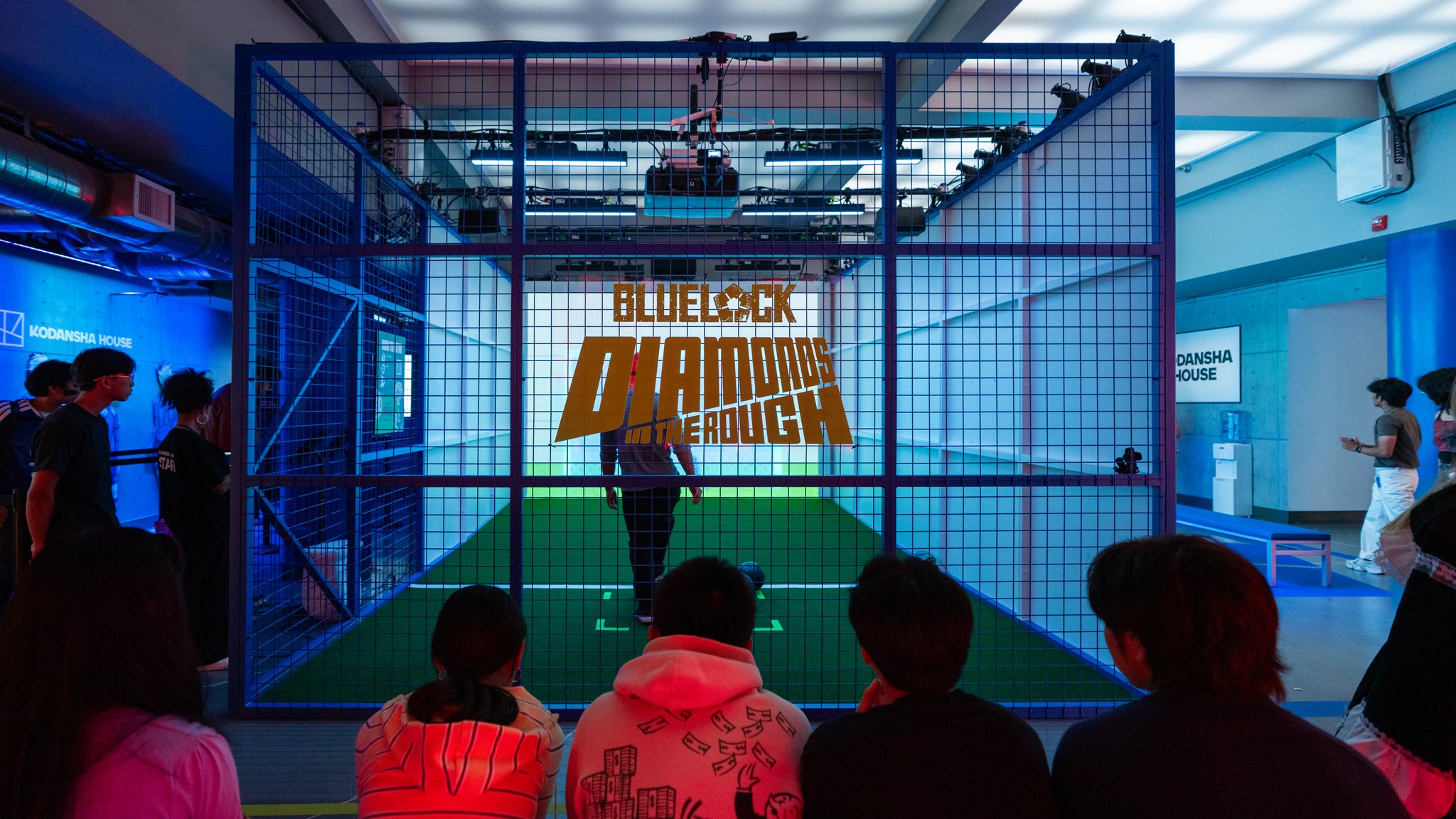
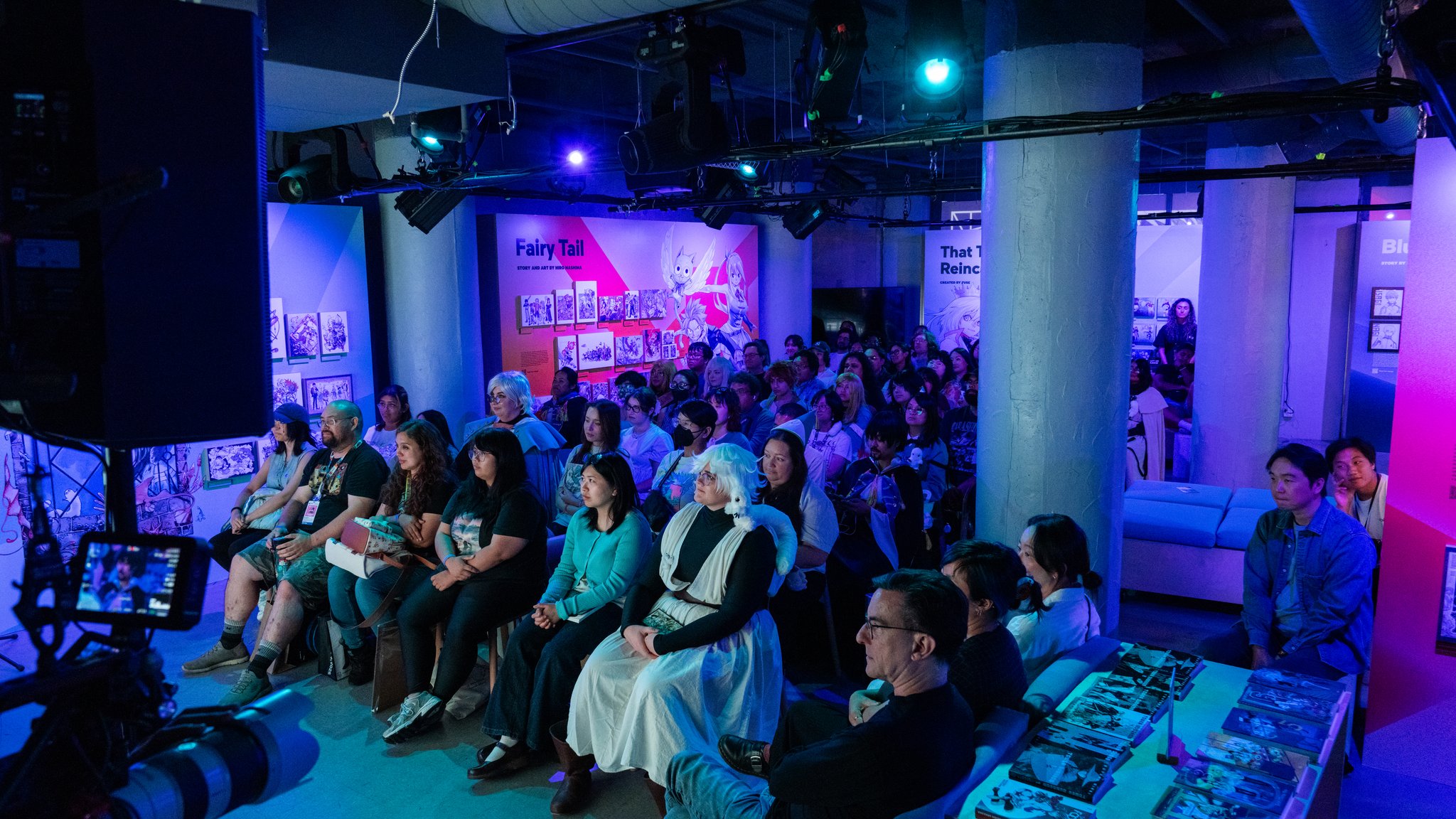
Interaction was the connective tissue. Creative technology turned passive exhibits into things fans did rather than looked at: surfaces that triggered visual effects on touch, and IP-specific installations — a Blue Lock projection soccer cage where visitors played to defeat manga characters and voted for their favorites, a Ghost in the Shell cyberpunk transparent LED photo moment, an Attack on Titan interactive miniature city experience, a physical Akira bike with immersive LED background, and a Witch Hat apothecary tent that triggered magical projections from audience-drawn runes — engineered to be felt in person and impossible not to share. Layered over the environment were the intimate creator appearances at the core of the draw: manga meeting fans directly, staged with the care to protect the artists who guard their privacy.
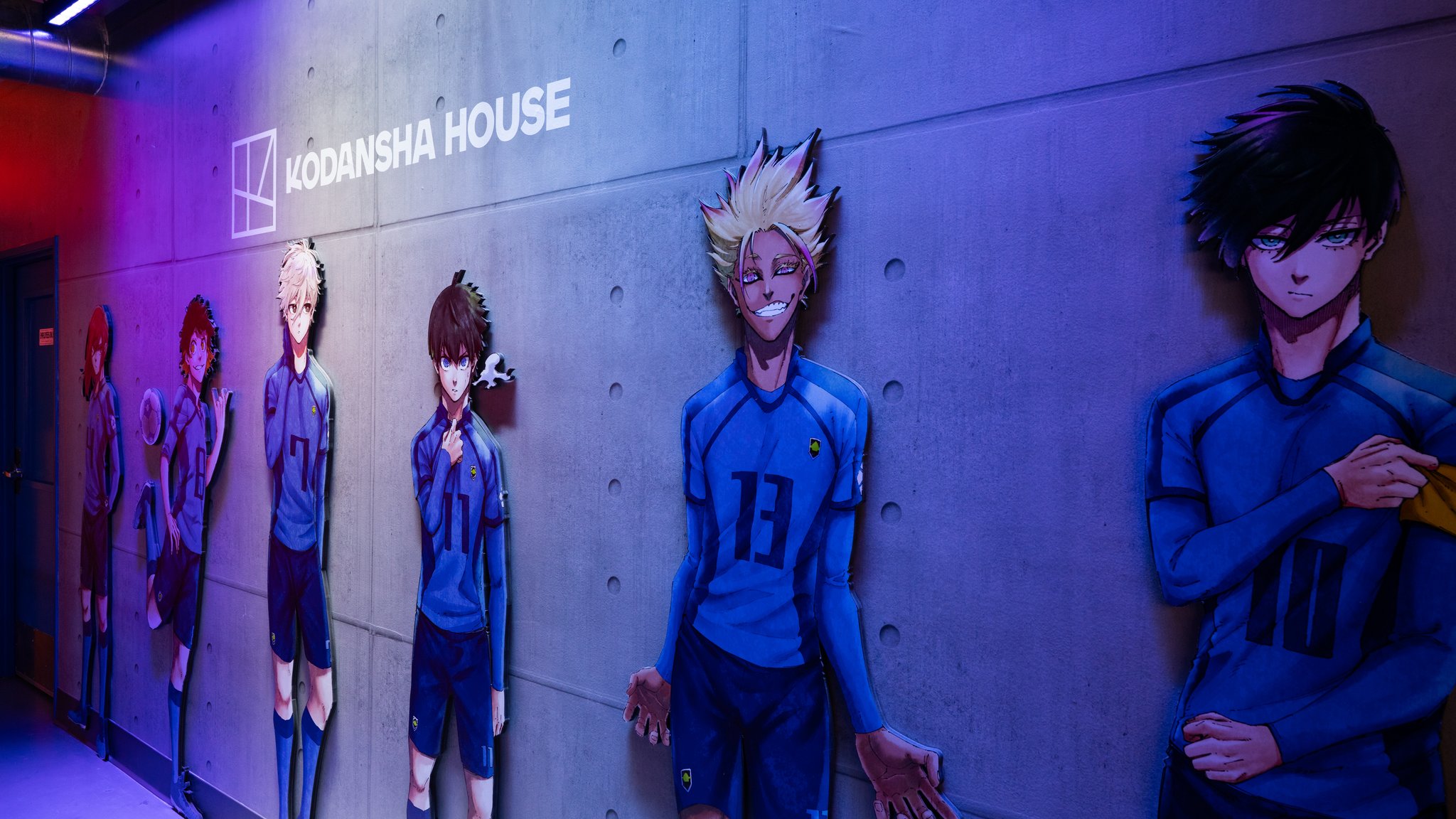
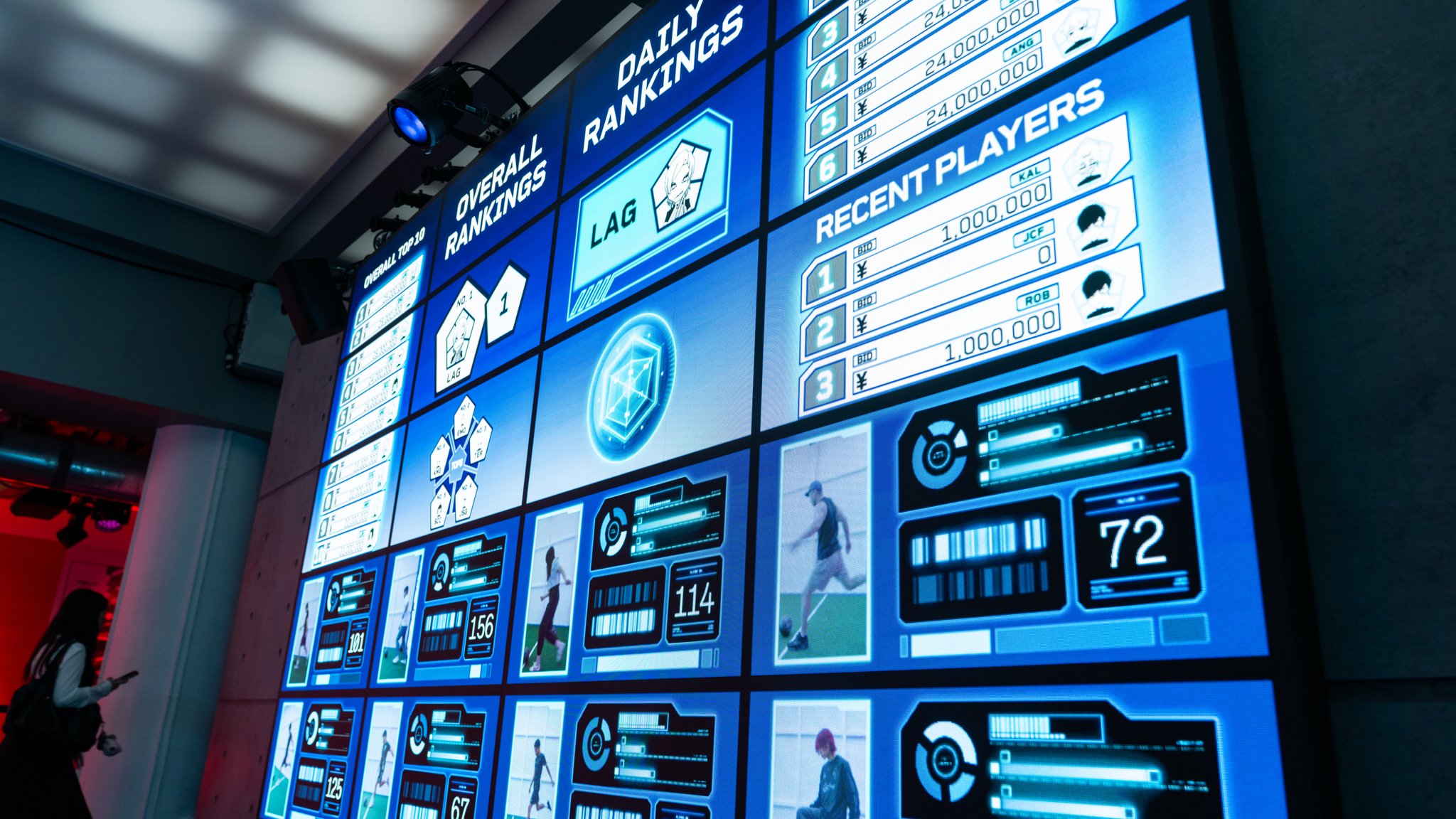
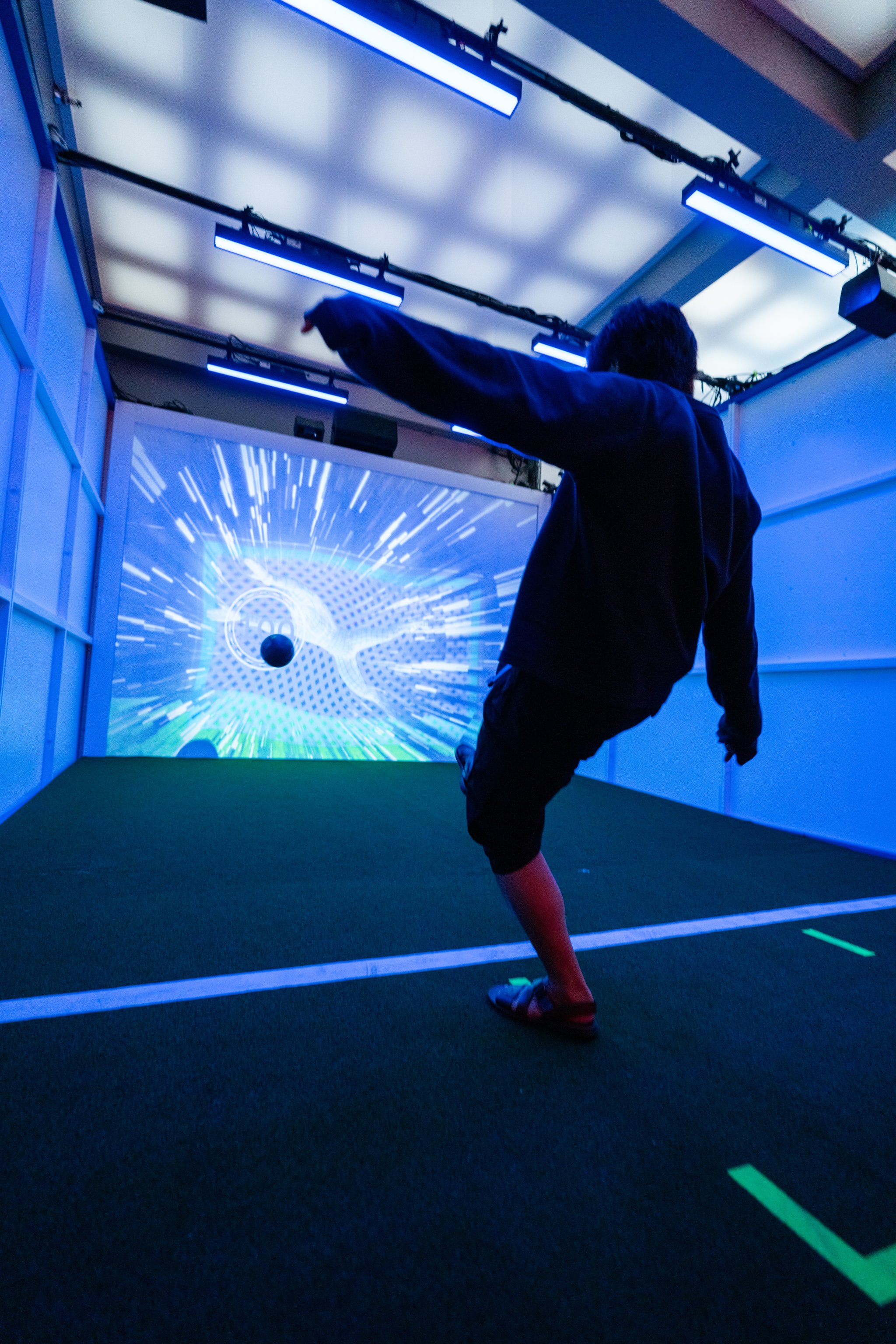
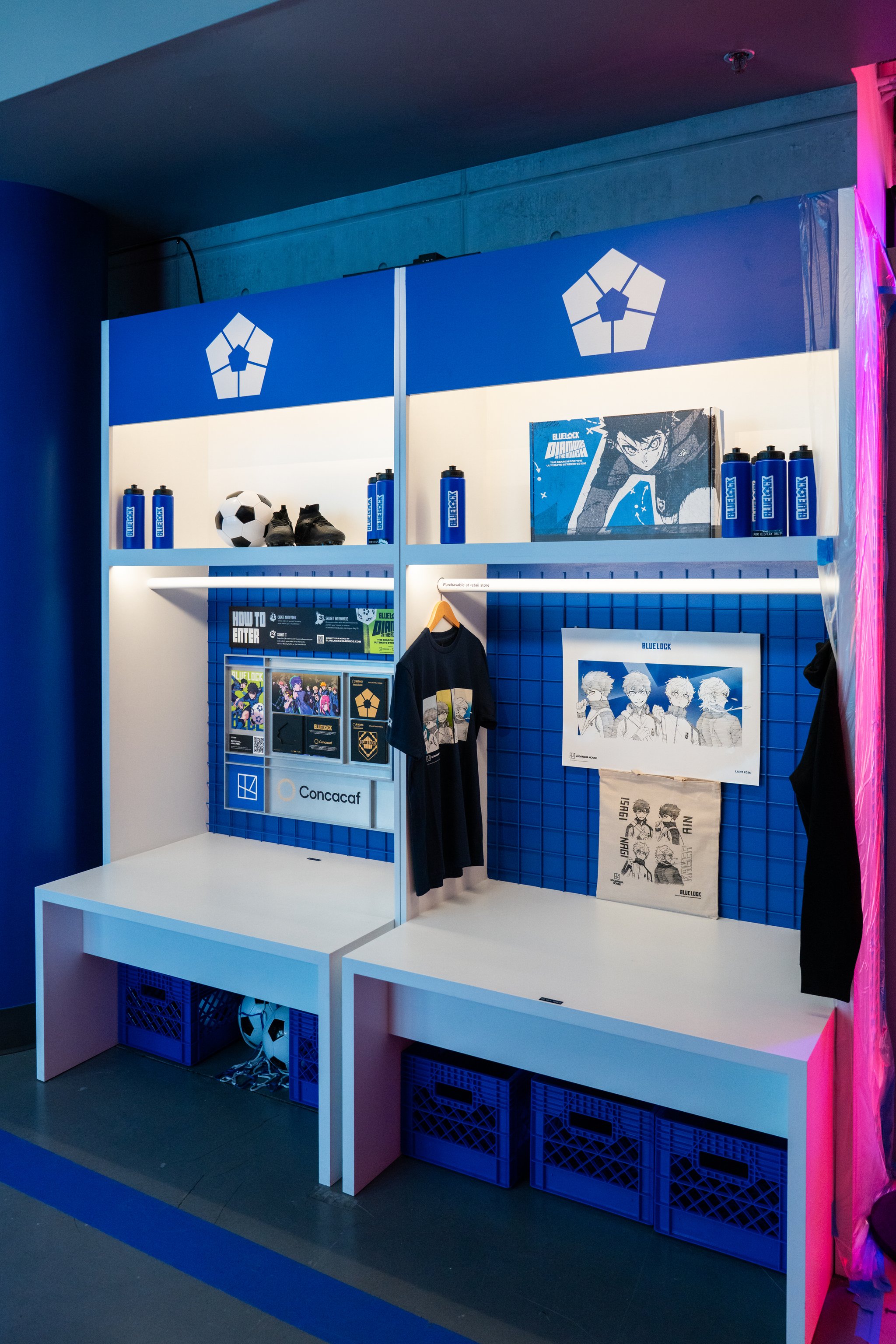
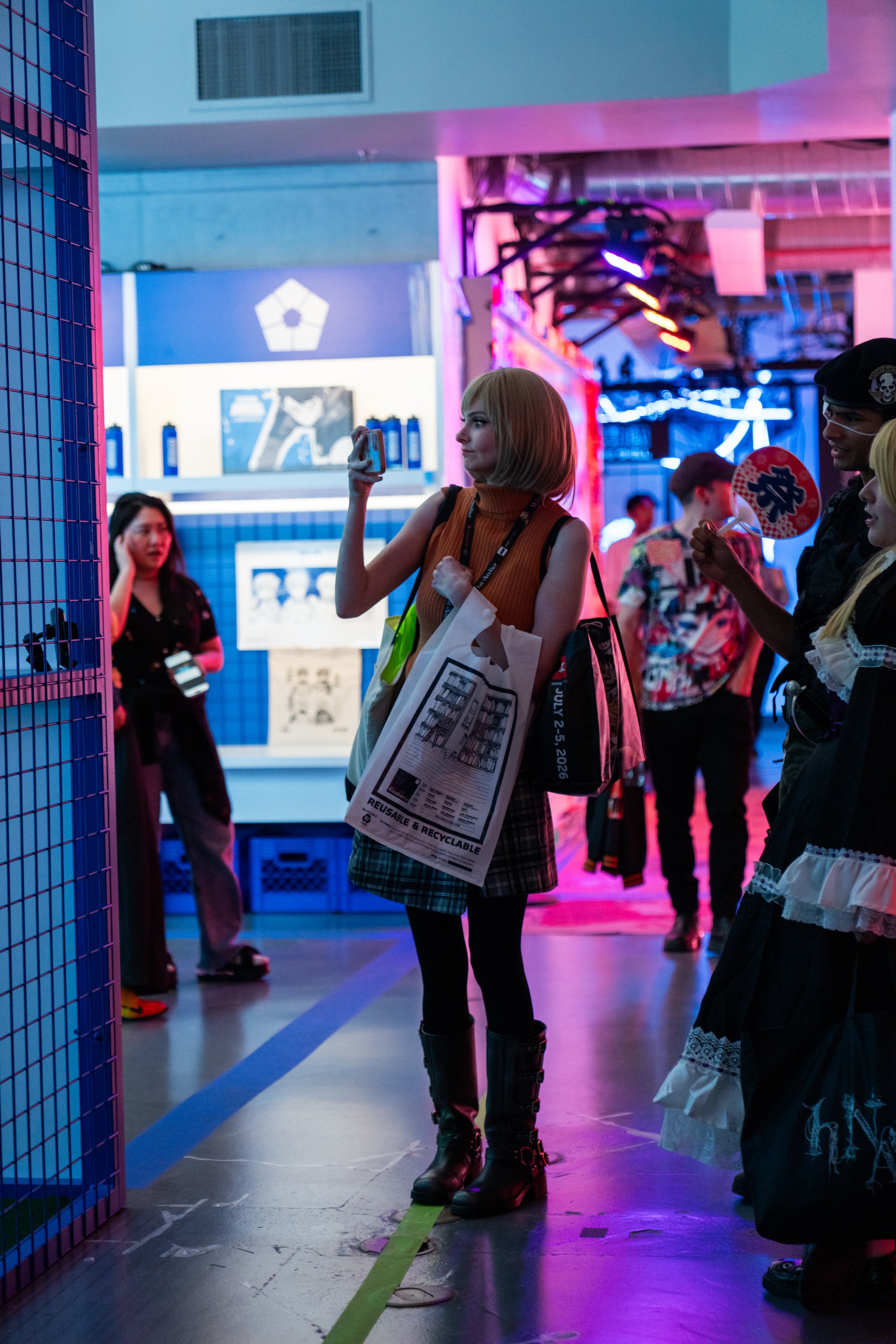
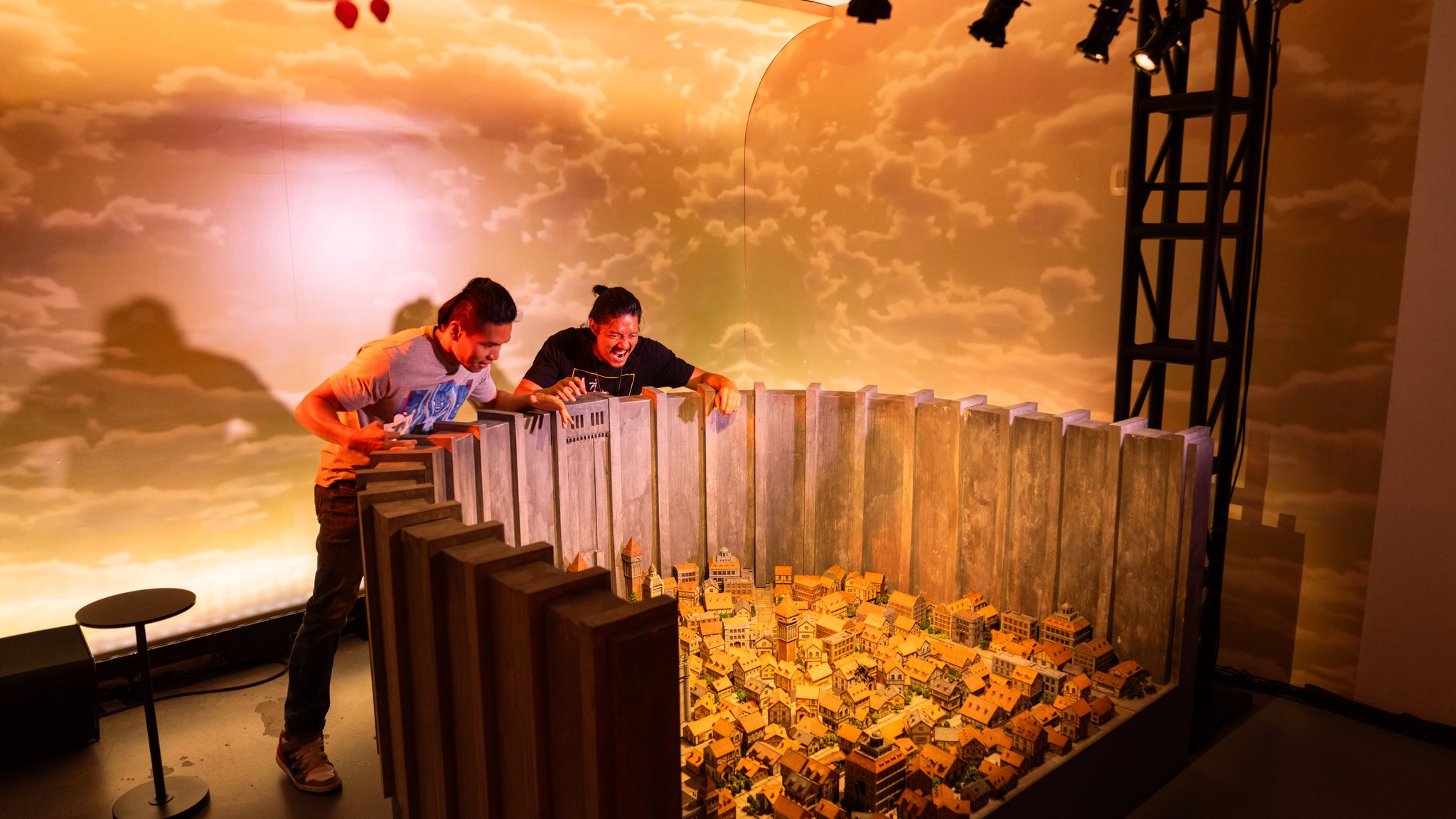
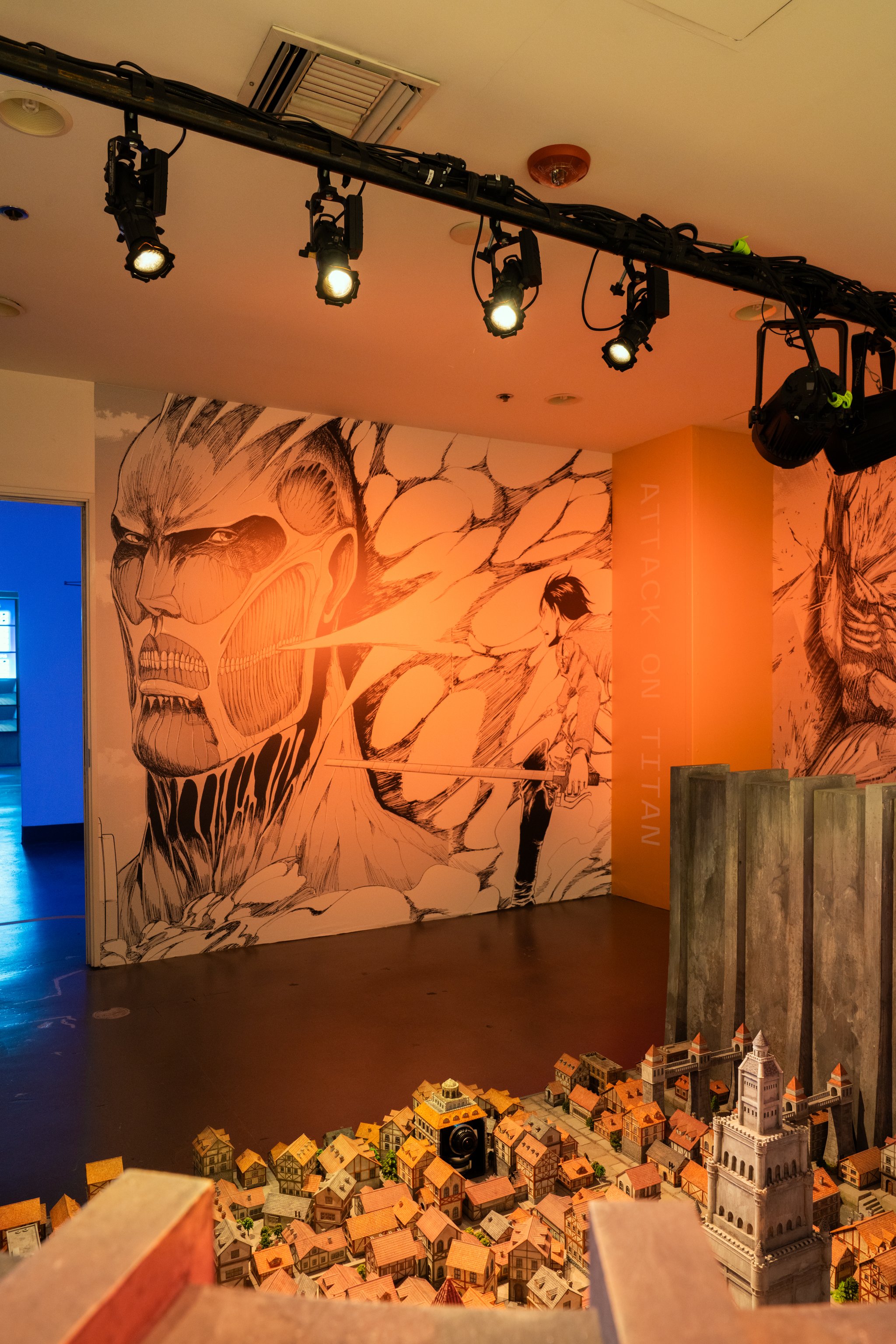
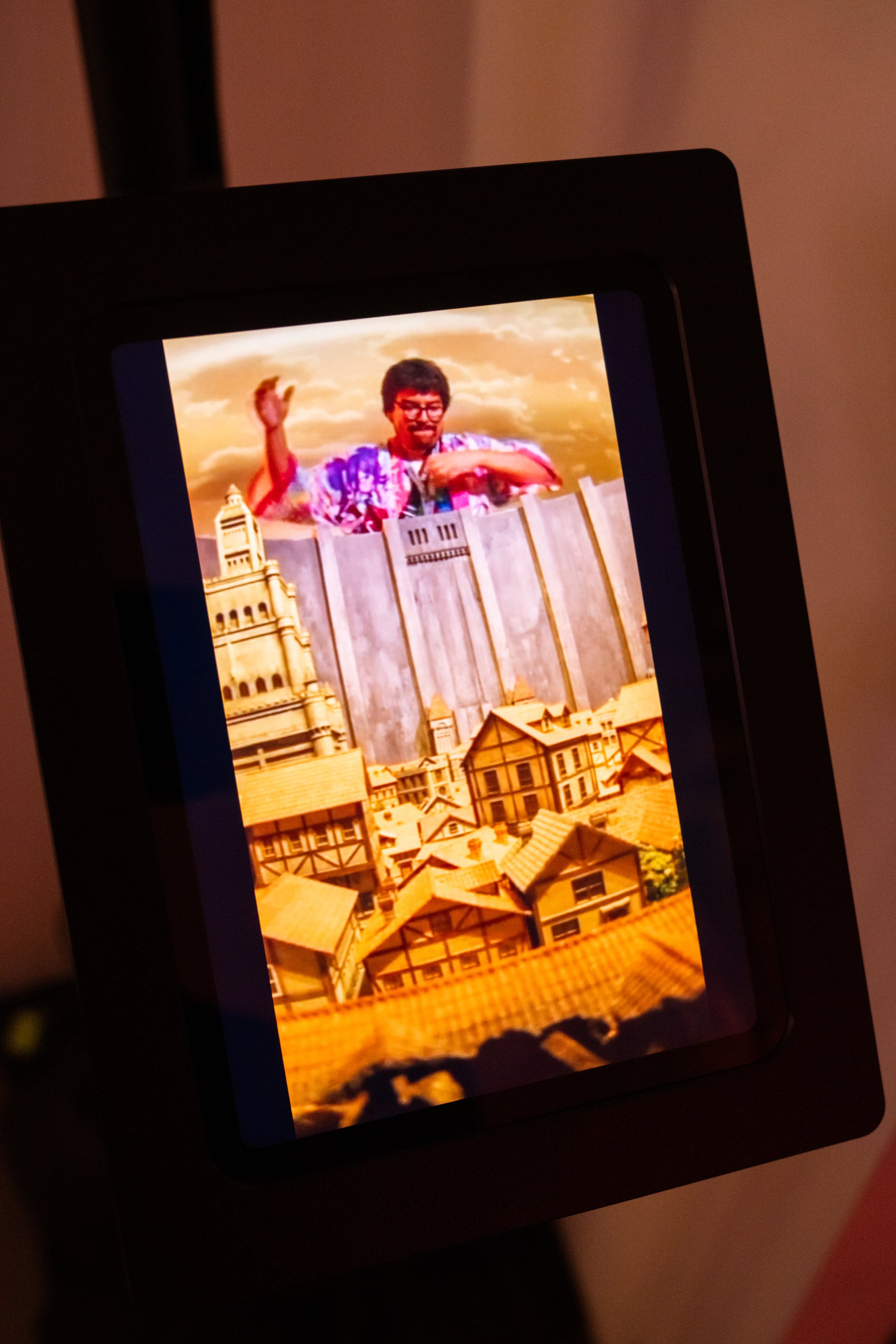
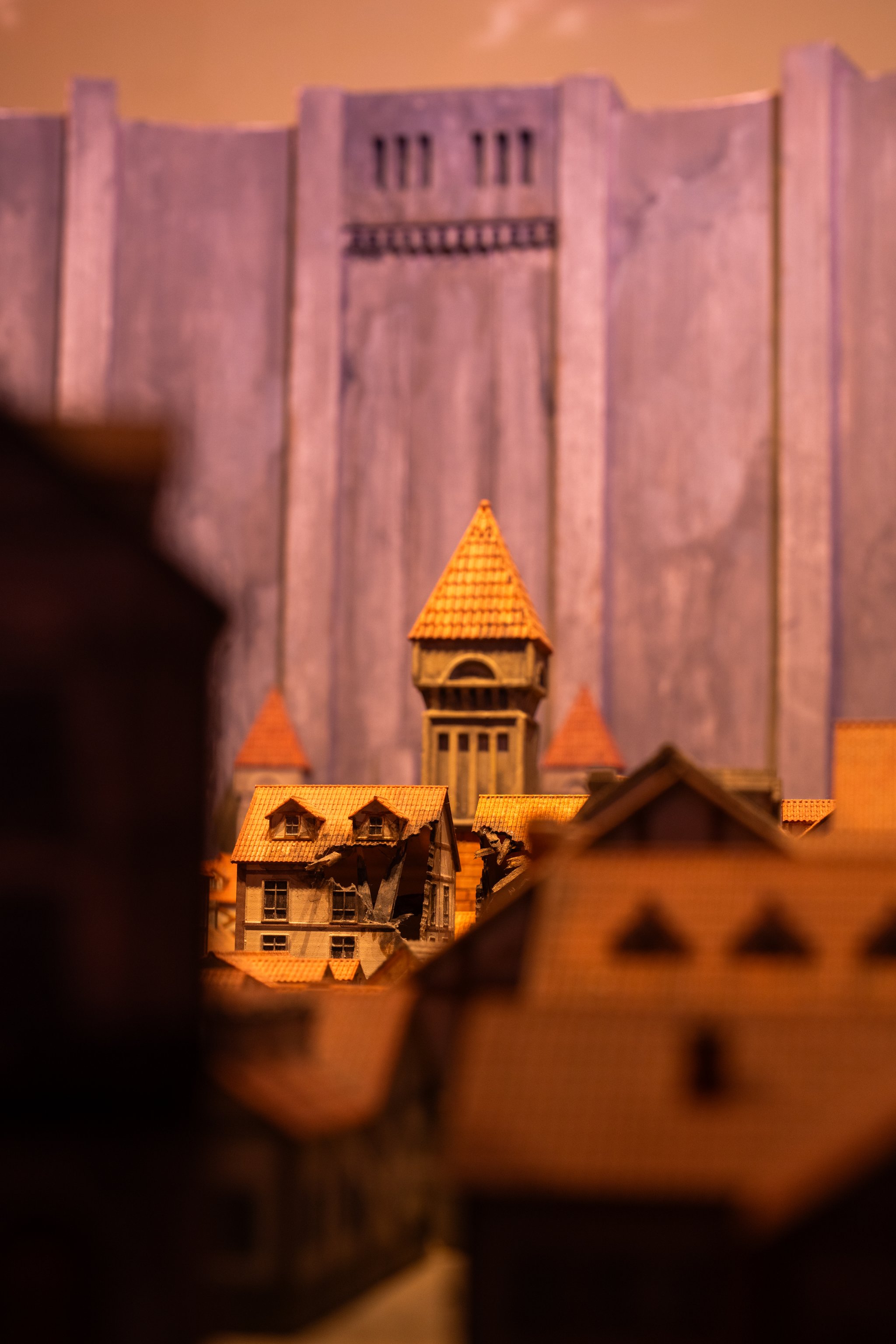
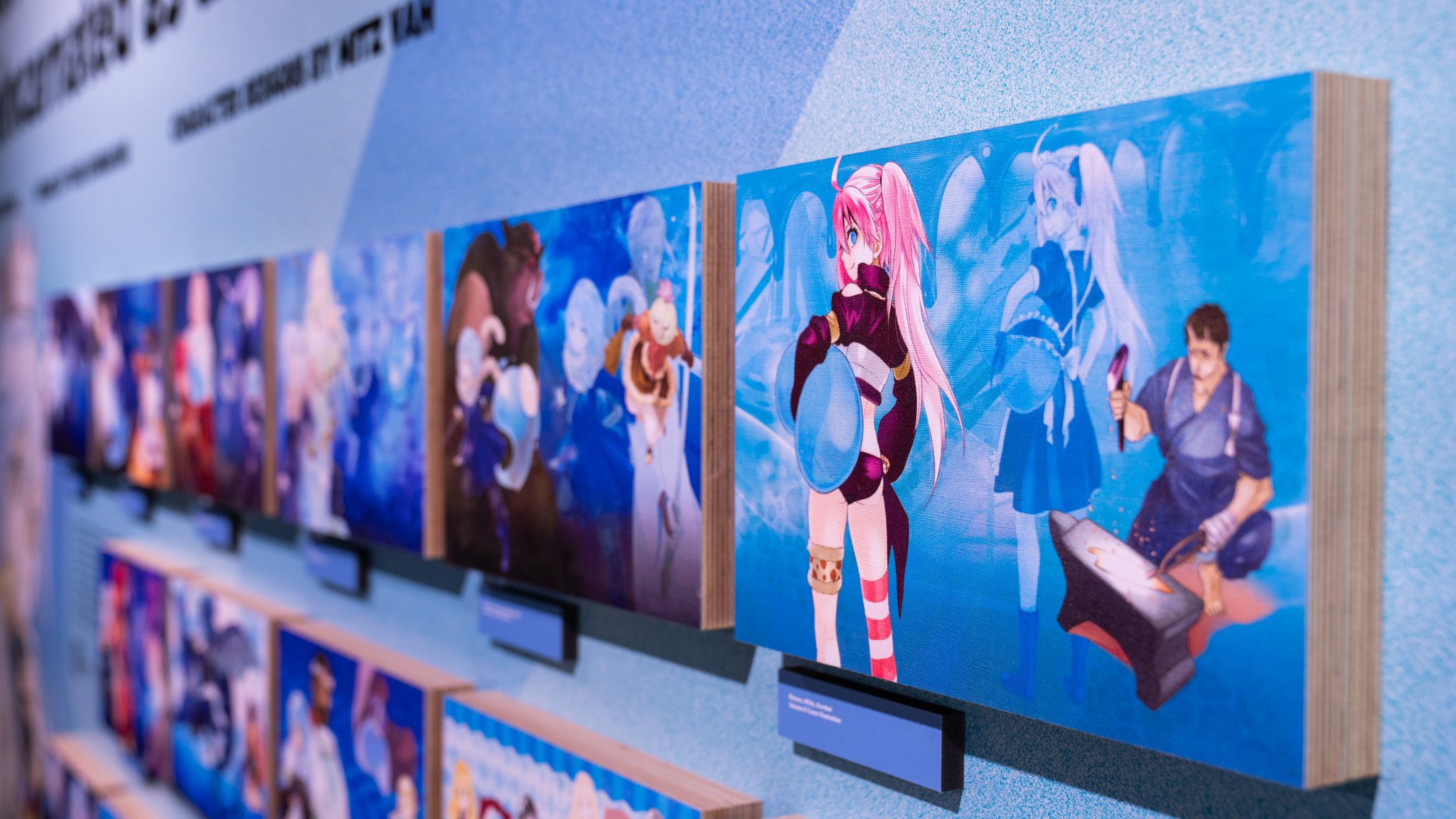
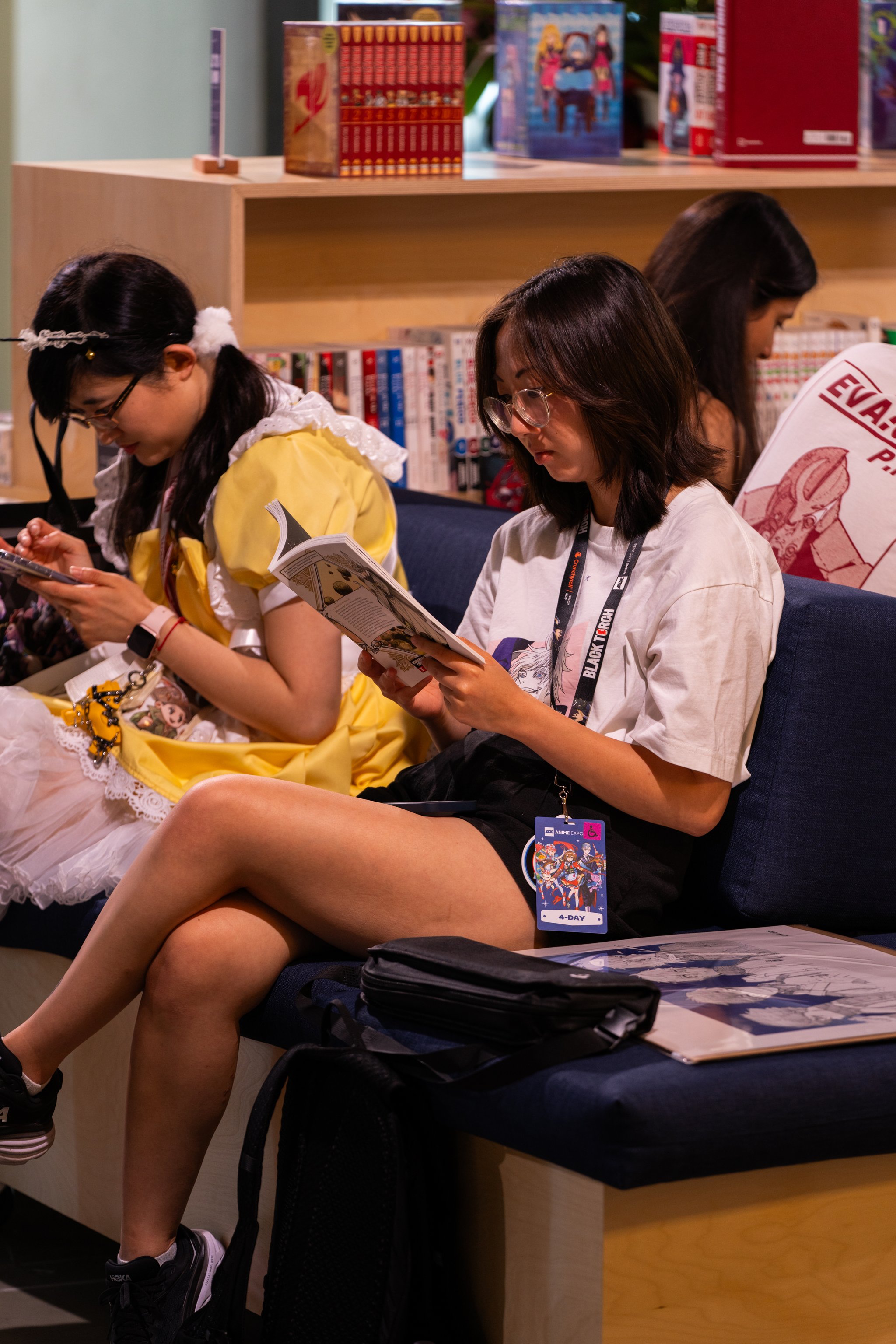
That world was built as a guided sequence of spaces, each carrying a different layer of the story. Along with the interactive experiences, gallery spaces framed the art. A retail moment gave the day a rhythm. And the manga library, the quiet sleeper of the whole footprint, became the unexpected heart of the House: the room where fans lingered longest, the space that did the real work of turning a visit into a sense of community.
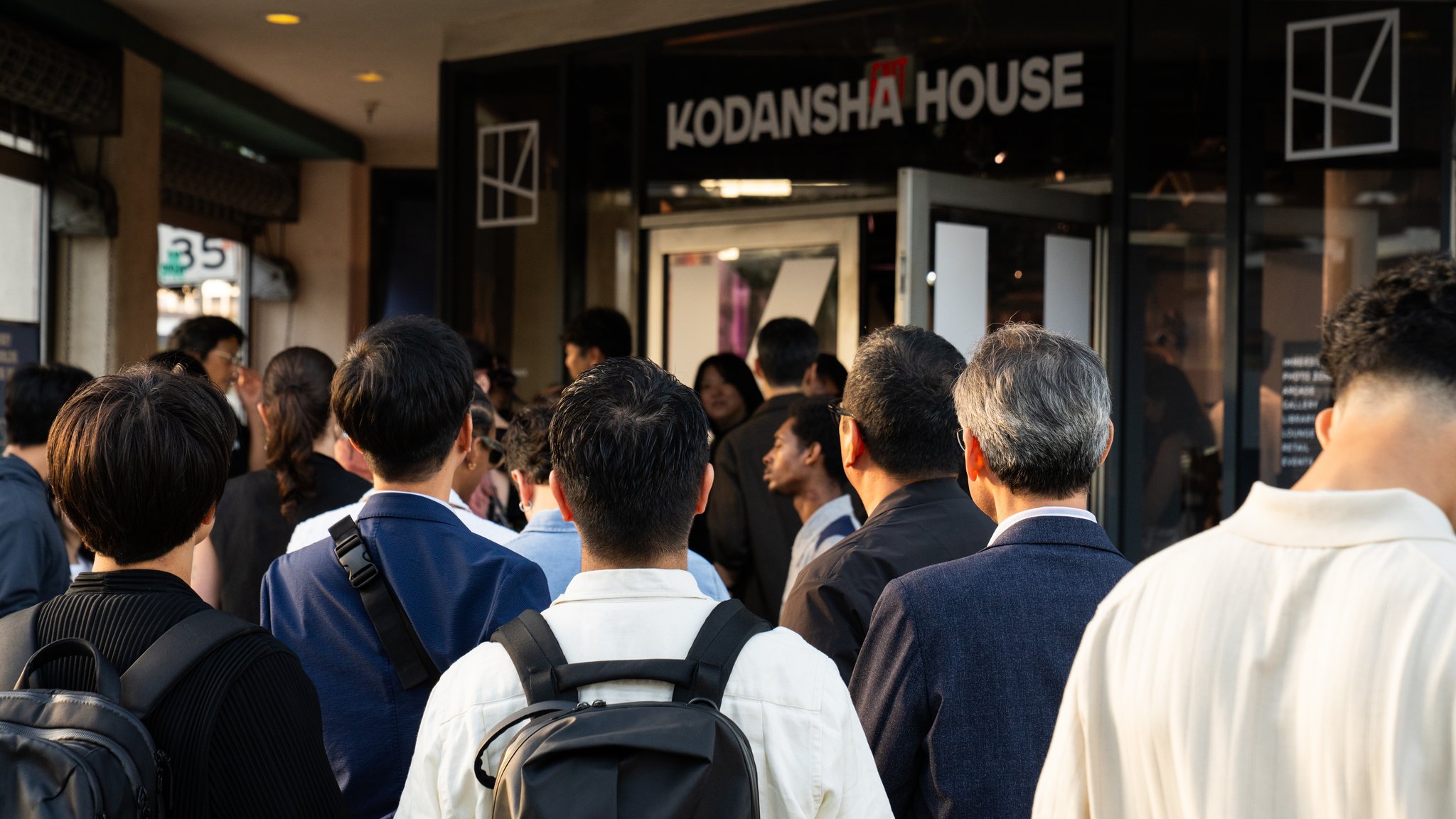
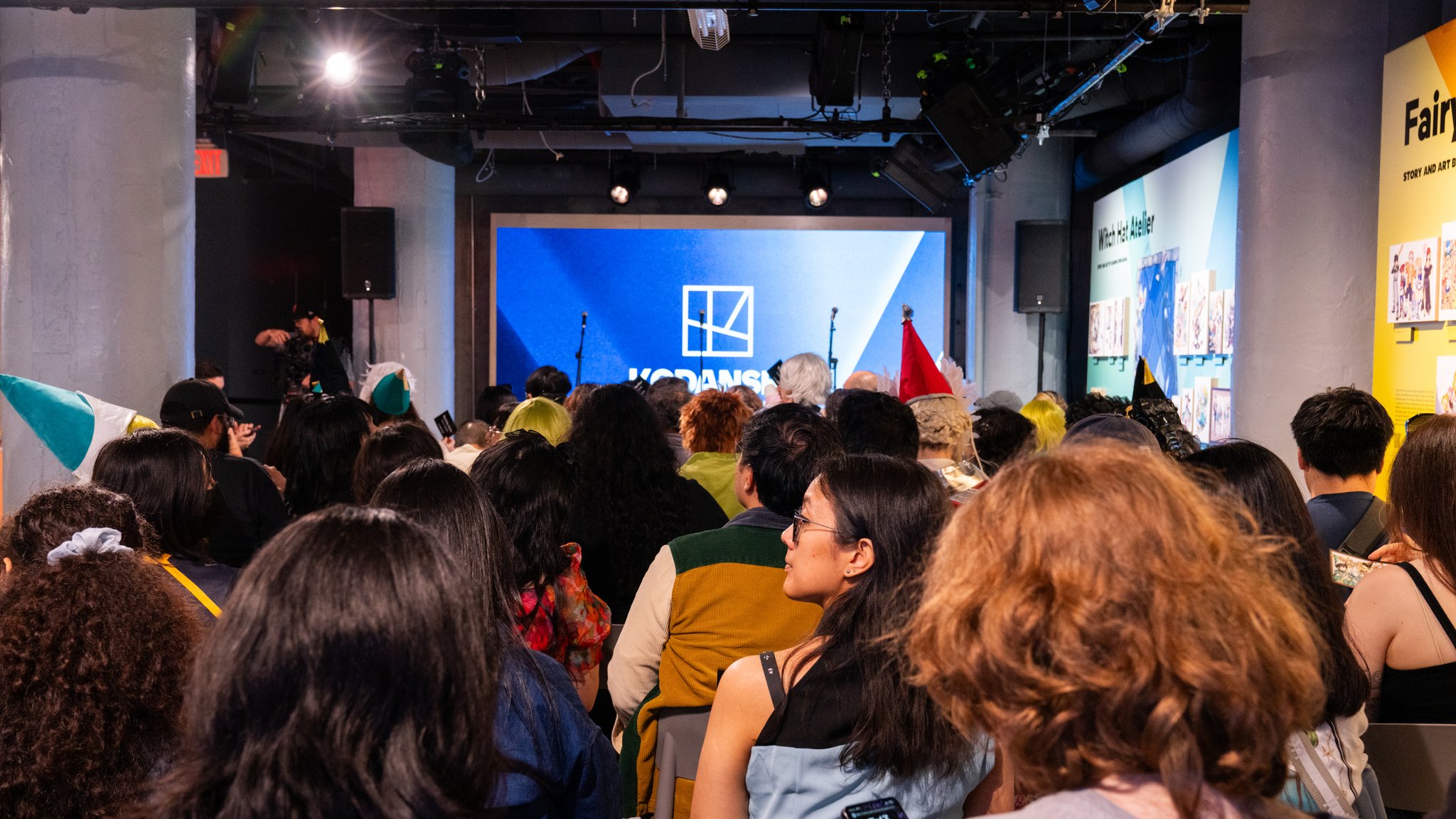
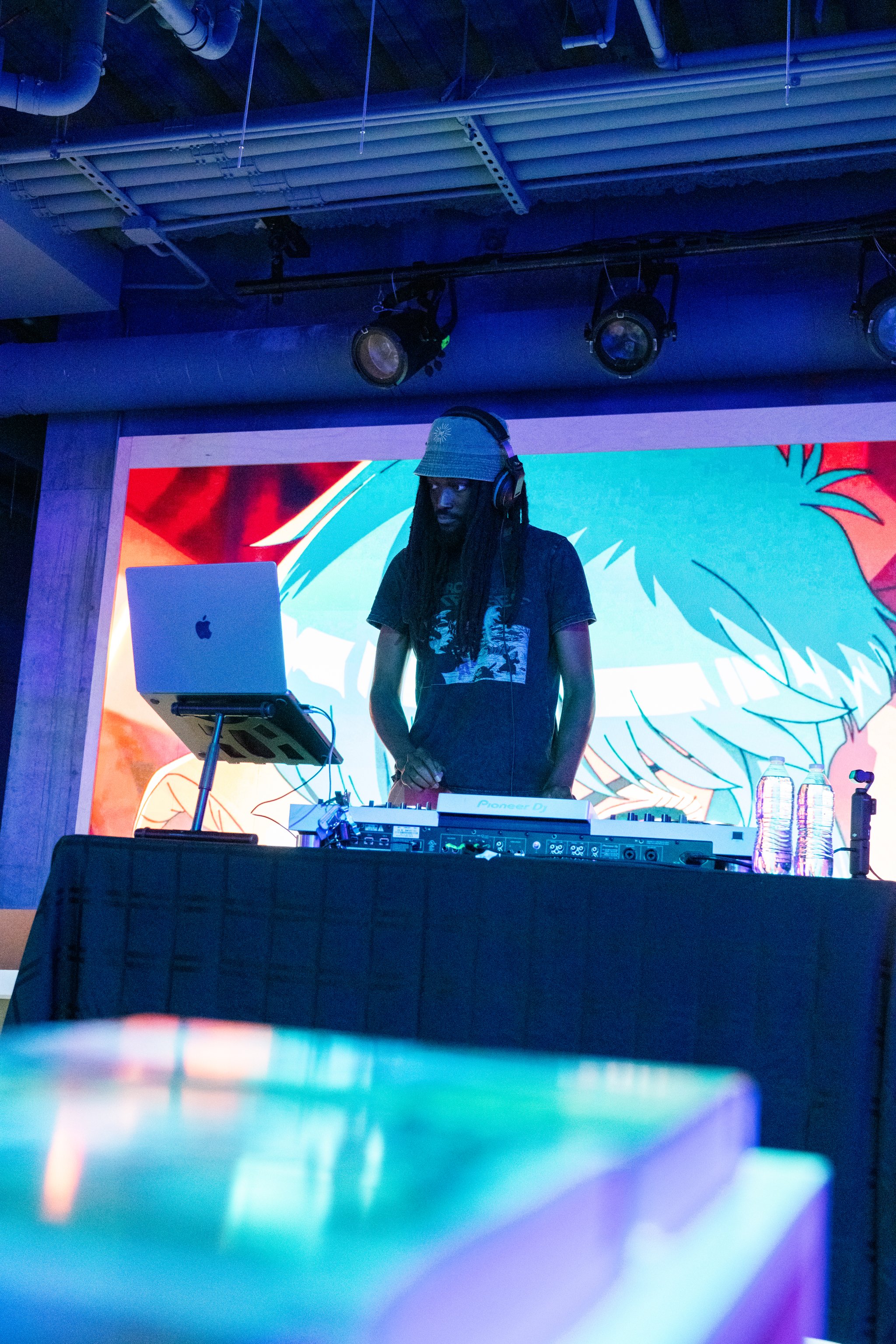
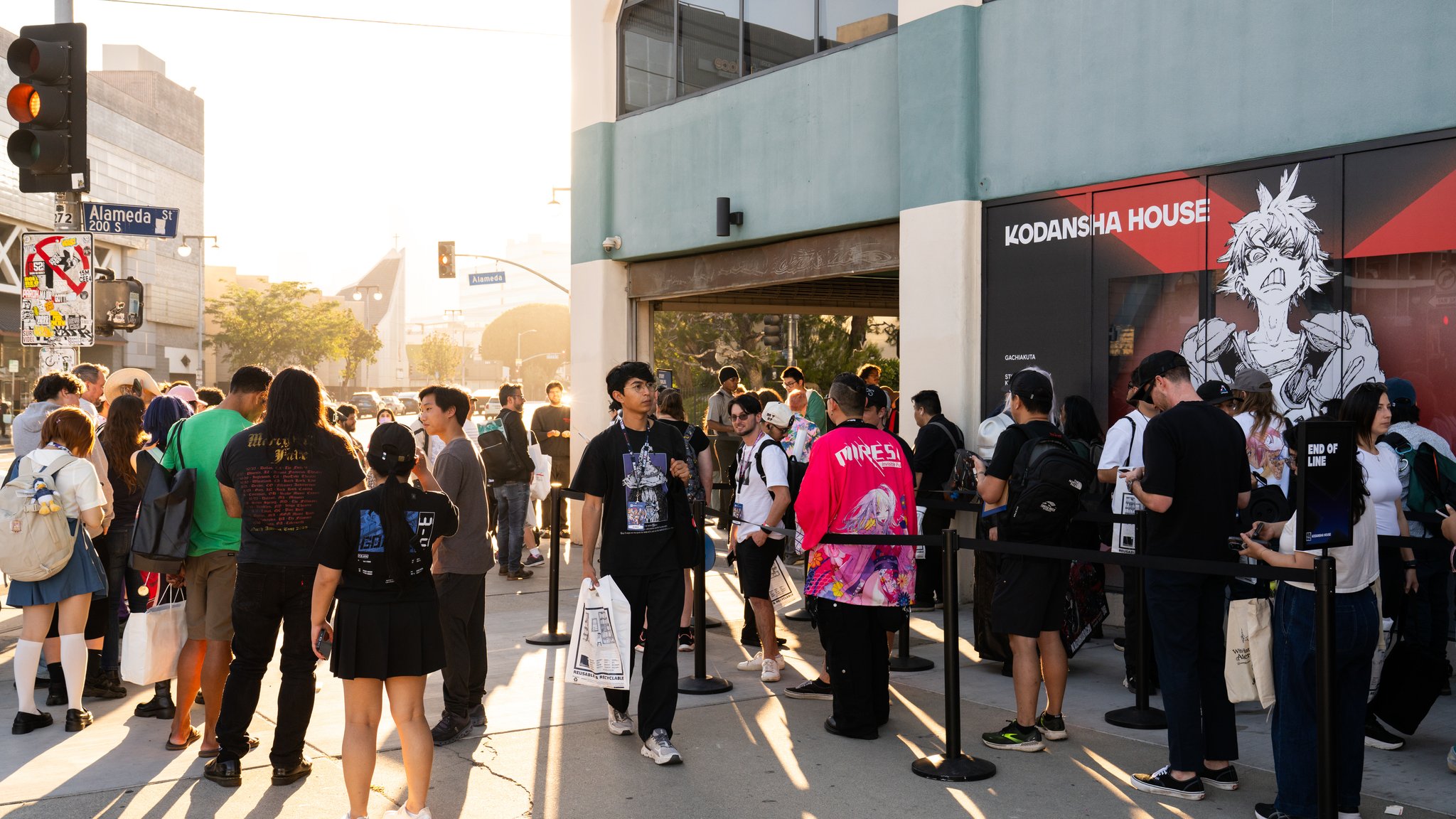
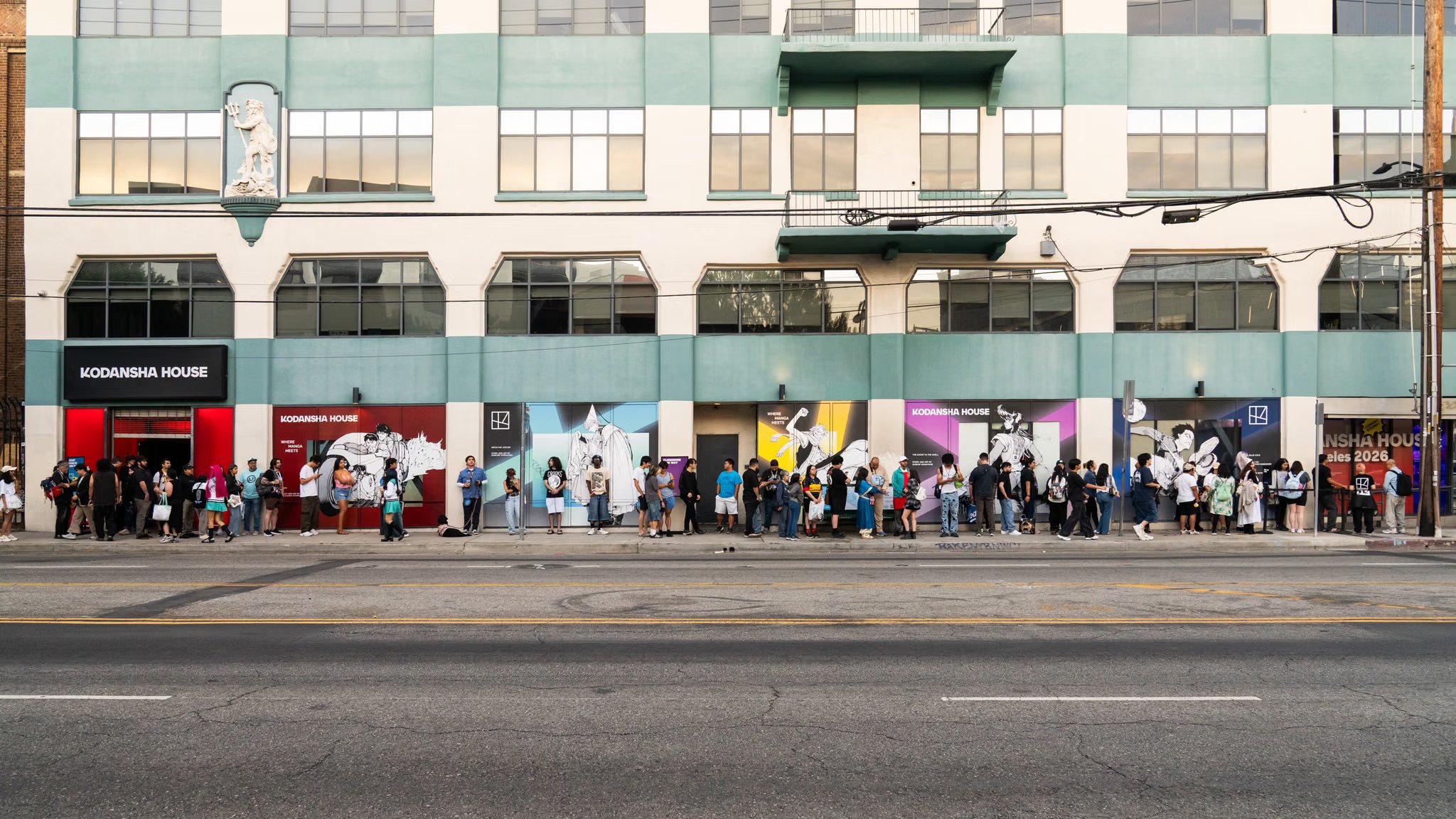
The complexity was orchestration across two cities as one program, not two events. Los Angeles ran first and fed social proof forward, every capture day, every creator moment, every line-out-the-door image became fuel for New York's anticipation. The playbook sharpened between markets, the visual tone elevated for SoHo, and the digital layer kept the physical activation alive between them, so the House existed continuously online even when its doors were closed.
Credits
ACRONYM
- Director of Creative ServicesMike Lee
- Creative DirectorCalvin Cheng
- Creative DirectorAkiko Yamashita
- Executive ProducerNick Coonce
- Senior Technical ProducerKate Harrow
- Executive Creative ProducerEmily Brackett
- Creative ProducerKeith Abutin
- Associate Design DirectorJuliana Johnson
- Design DirectionRuth Kim
- Art DirectorMikey Dorner
- 3D DesignerHarriet Chan
- 3D DesignerCarlos Vides
- Senior 3D DesignerMark Rahkmanov
- 3D + Graphic DesignerHenrique Paim
- Lighting DesignerGinevra Lombardo
- Graphic DesignerJordan Taylor
- Graphic DesignerYoke Le
- Senior Graphic DesignerDaniel Lurvey
- Motion DesignerHailey Mendoza
- Designer - Digital InnovationYuheng Zhu
- DesignerPhoebe Zheng
- Director of Creative Technology ProgrammingColin Honigman
- Senior Creative TechnologistChris Benton
- Junior ProgrammerFrazier Kyle
- Creative ProducerAaron Marcellino
- Creative ProducerAndrew Curtis
- Video EditorMichael Hull