U2 Experience
U2 Experience
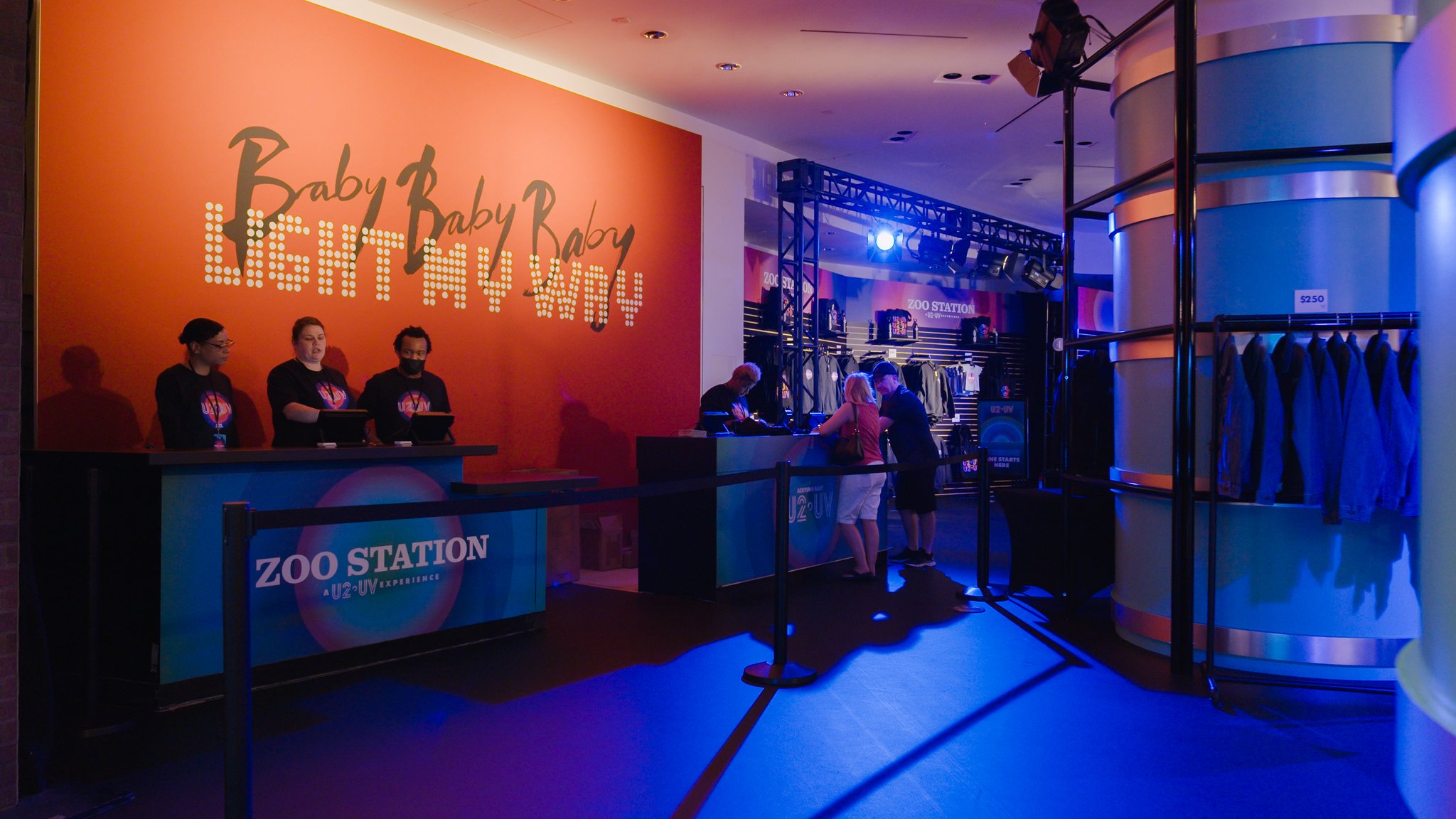
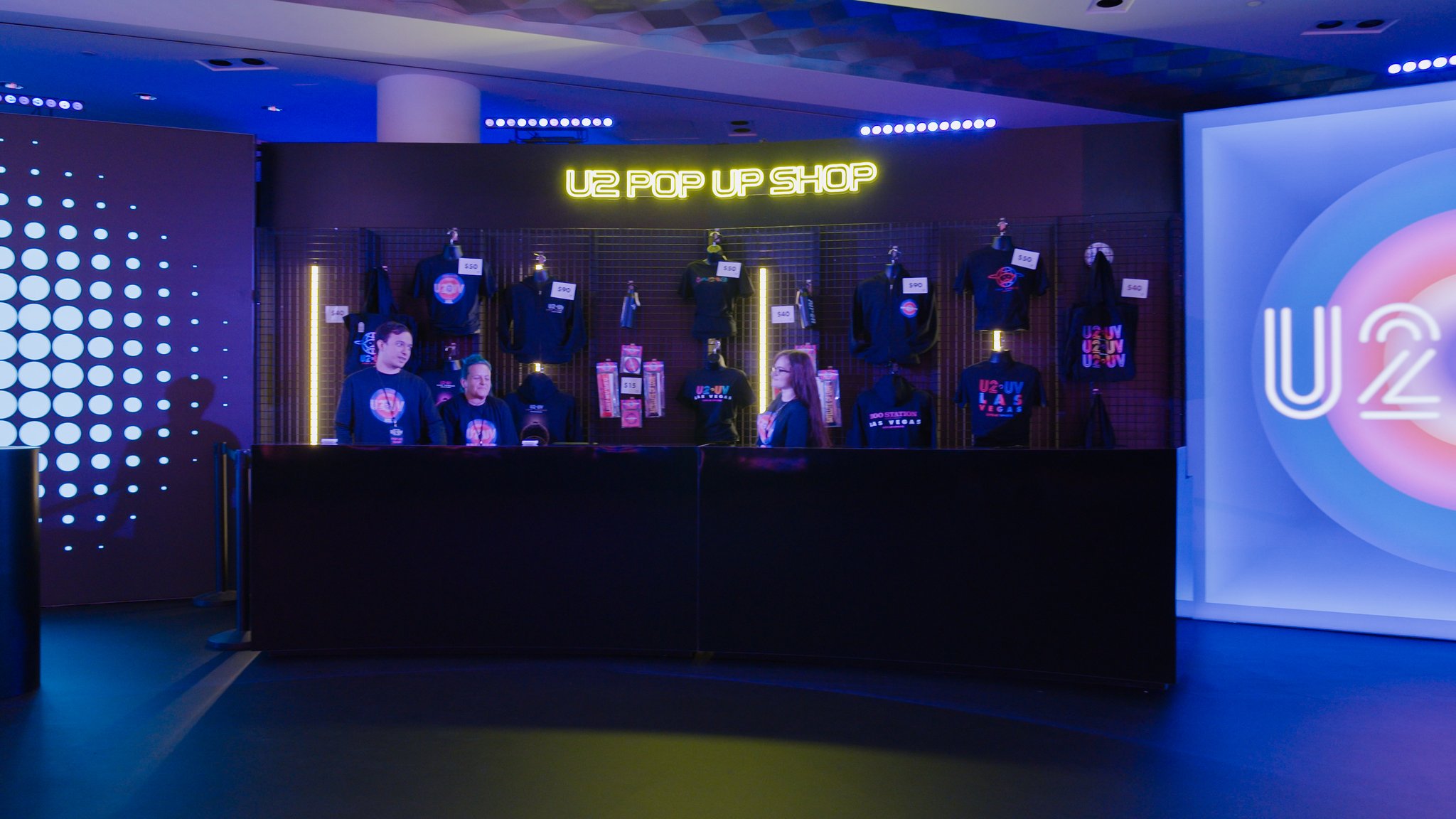
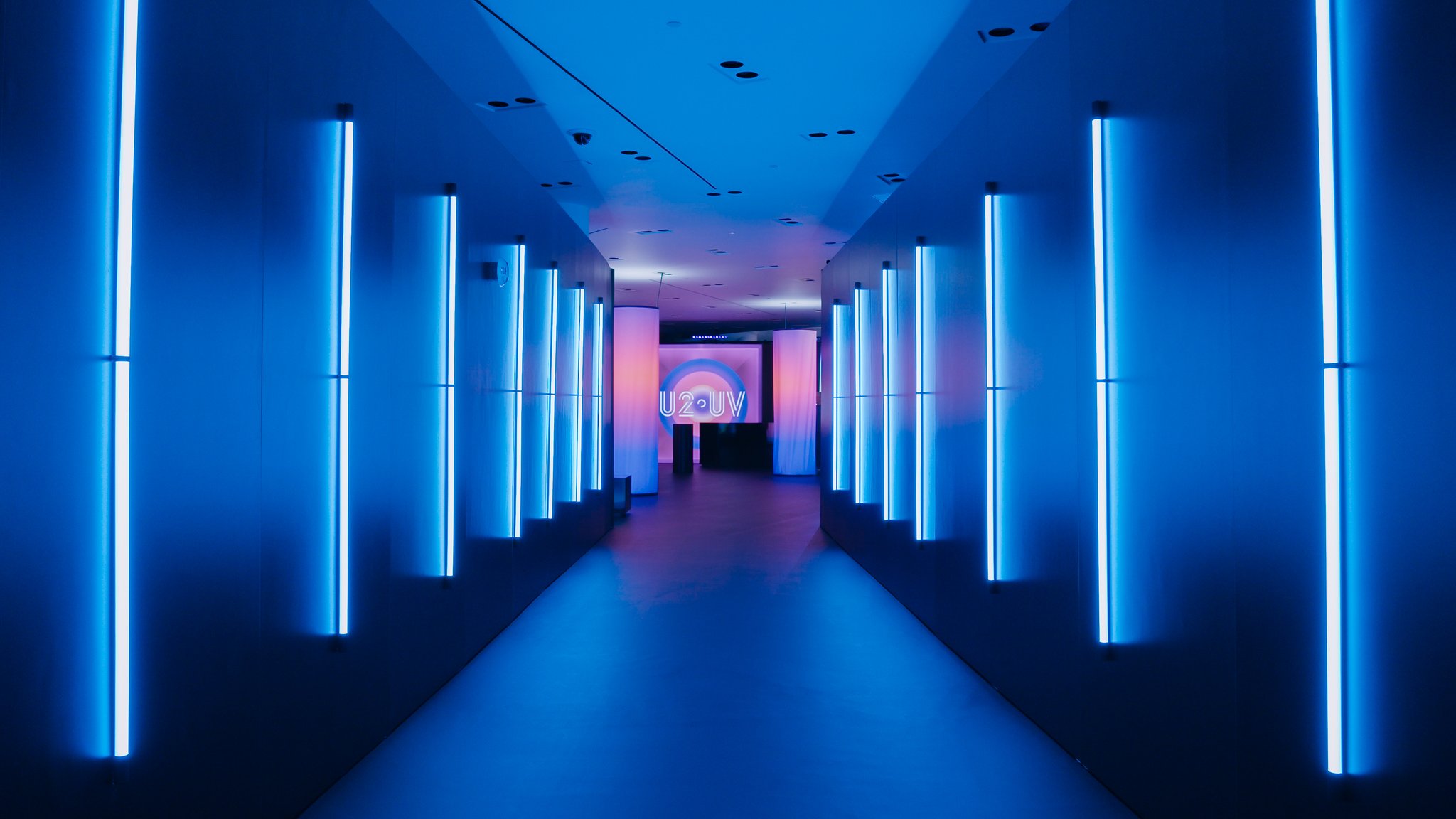
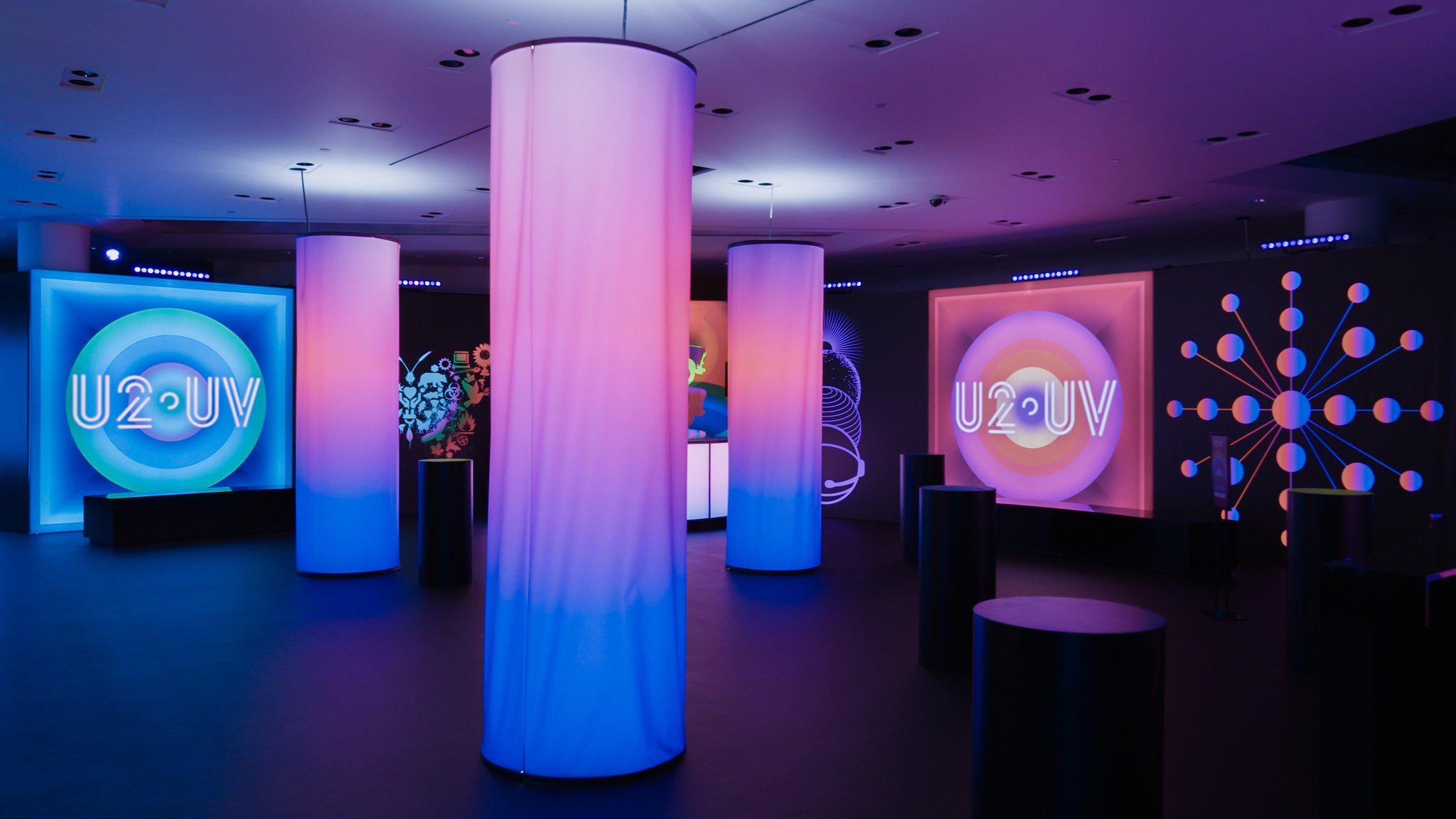
Zoo Station4420 For U2's historic Sphere residency, we transformed a two-floor Las Vegas space into an immersive inhabitation of the Zoo TV tour — custom-built around the real objects, imagery, and aesthetic of one of rock's most iconic moments.
Scope
- Design
- Lighting Design
- Operation / Support
- Creative Direction
- Project Management
- Custom Fabrication
- Interactive Installation
- Experiential Design
- Spatial Design
Zoo Station, Las Vegas. September 2023.
U2 was performing *Achtung Baby* in full at the Sphere — one of the most anticipated concerts in years, inside the most technologically ambitious venue ever built. For fans who couldn't get inside, or who wanted something more, we built a different kind of entry point.
U2 was performing *Achtung Baby* in full at the Sphere — one of the most anticipated concerts in years, inside the most technologically ambitious venue ever built. For fans who couldn't get inside, or who wanted something more, we built a different kind of entry point.
Zoo Station was a free, walk-in fan experience occupying two floors of the Venetian, running for weeks alongside the residency. The mandate wasn't to celebrate U2 broadly. It was to bring a specific moment in the band's history to life — the Zoo TV tour of the early '90s, its visual language, its cultural weight — and let fans step into it.
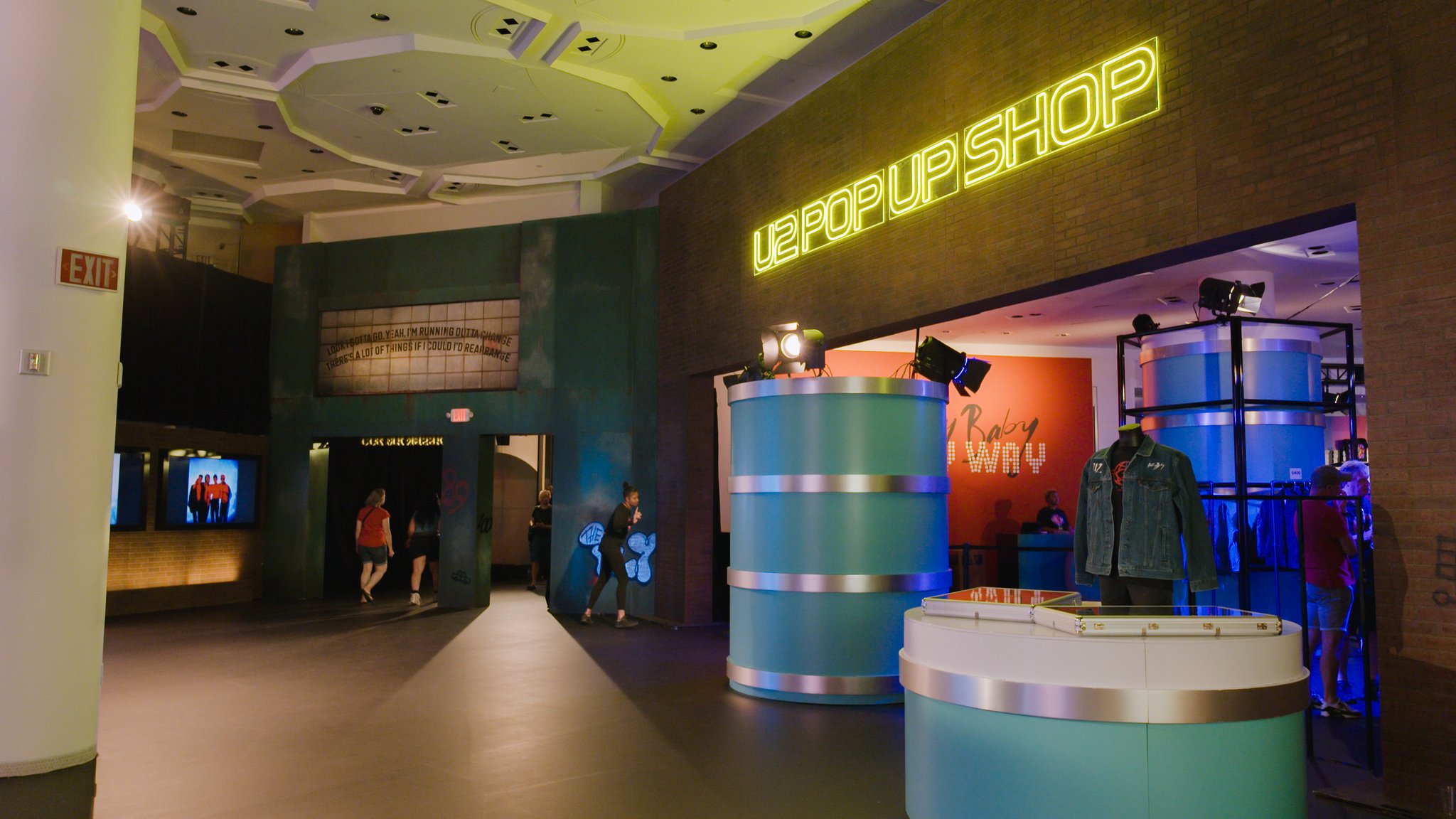
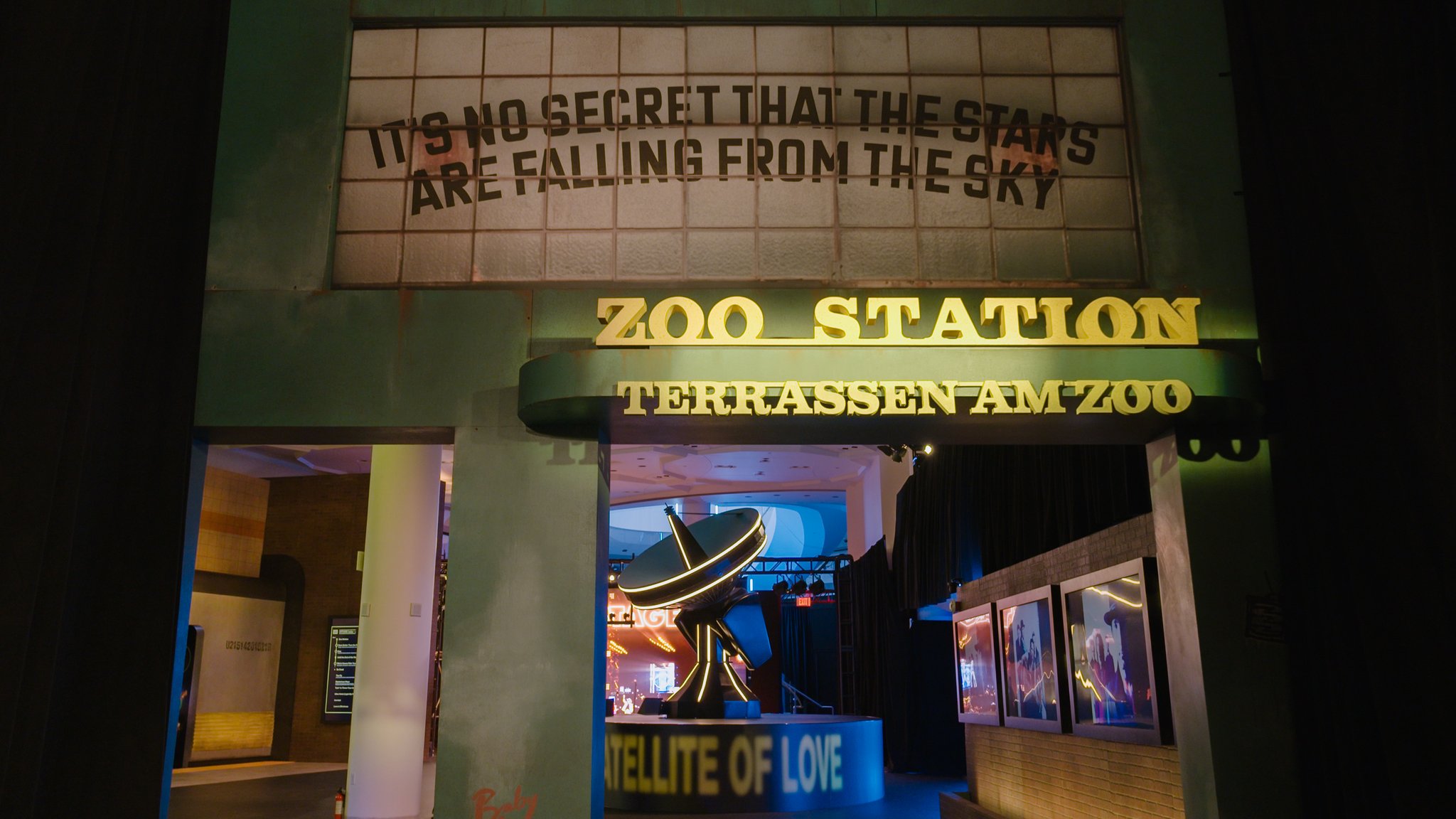
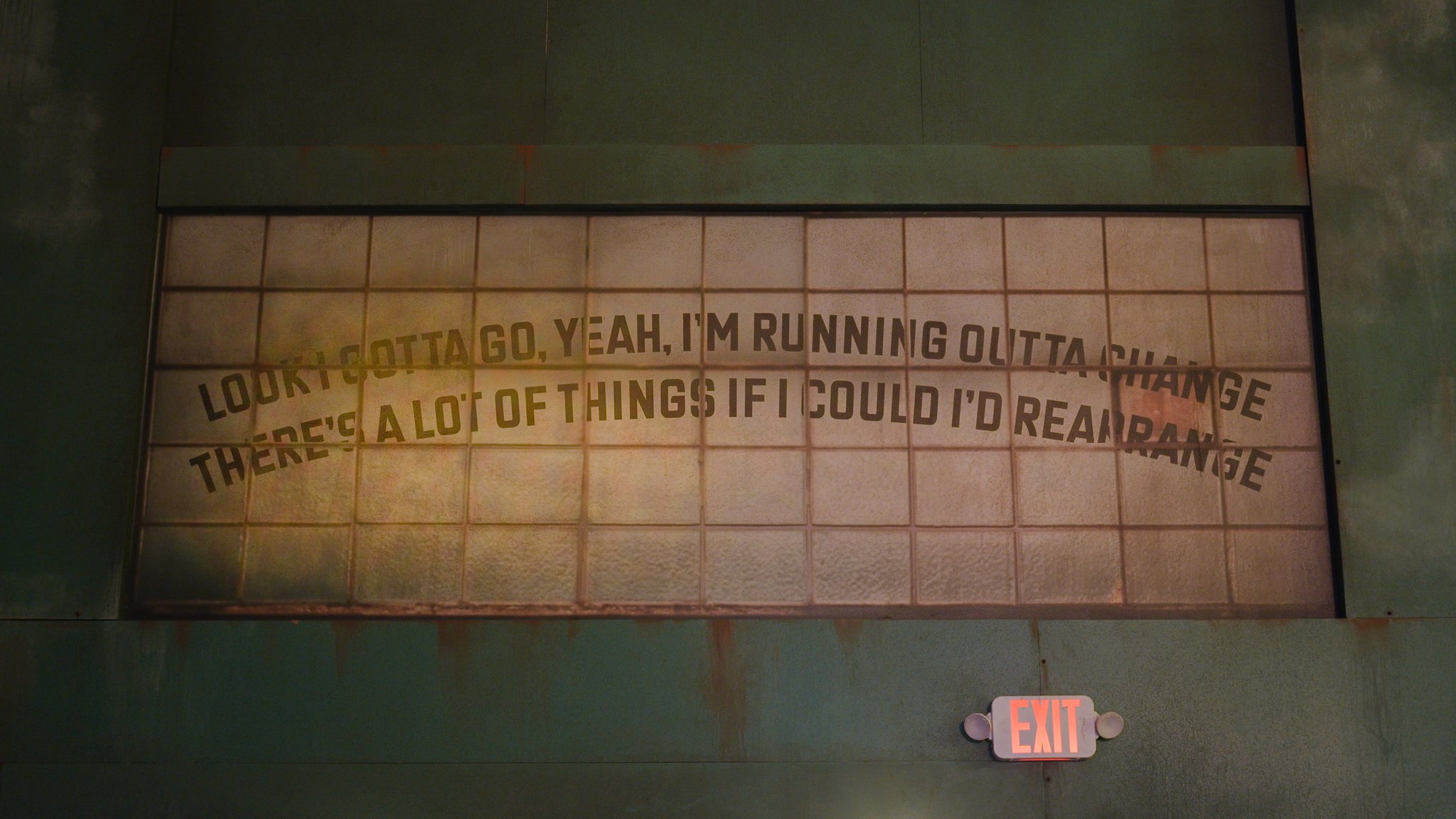
That required research. We went deep into the original tour: the imagery, the objects, the aesthetic of controlled media overload that defined it. From that came a clear editorial instinct. Not everything. The right things. The moments that were actually load-bearing.
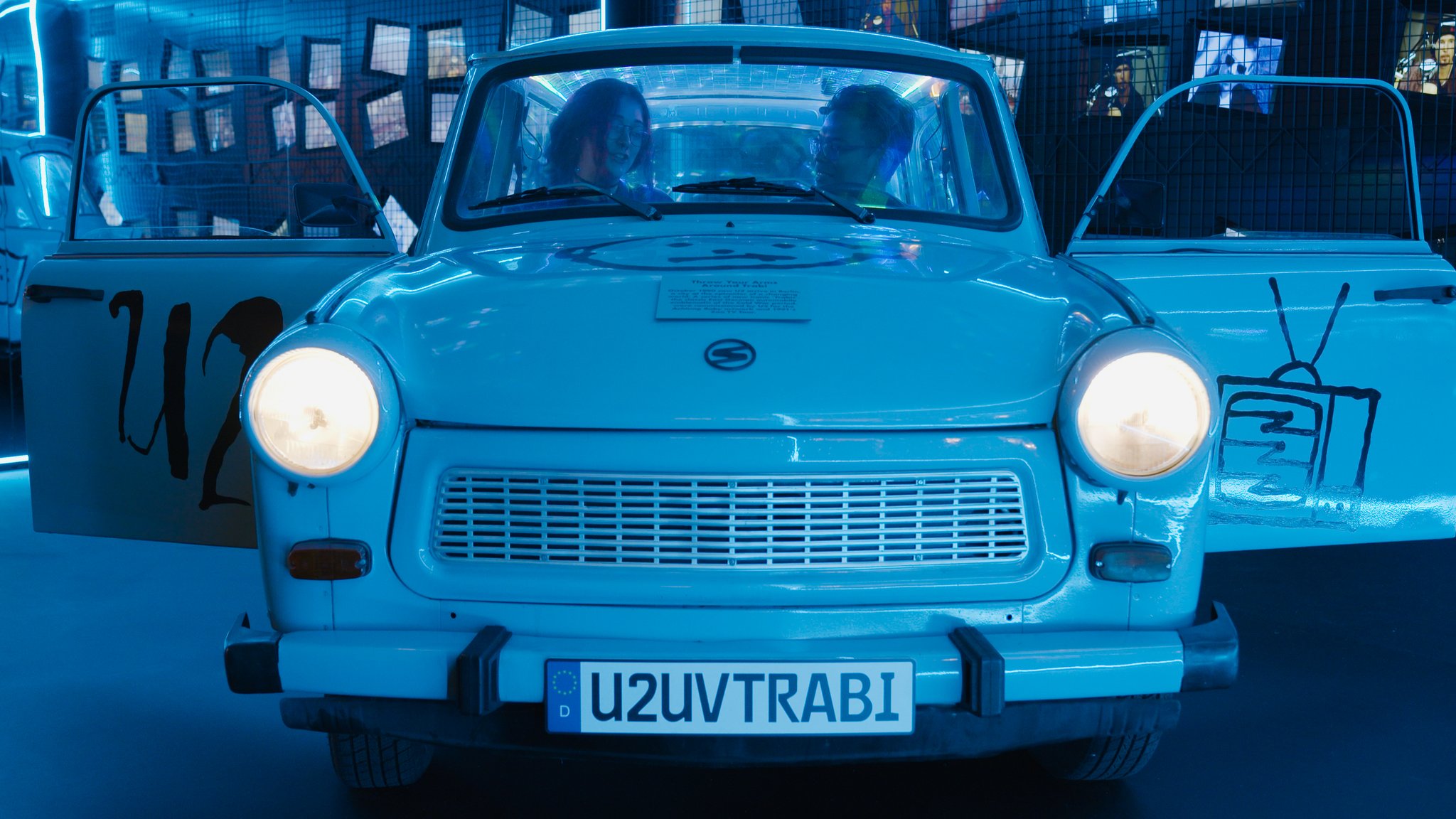
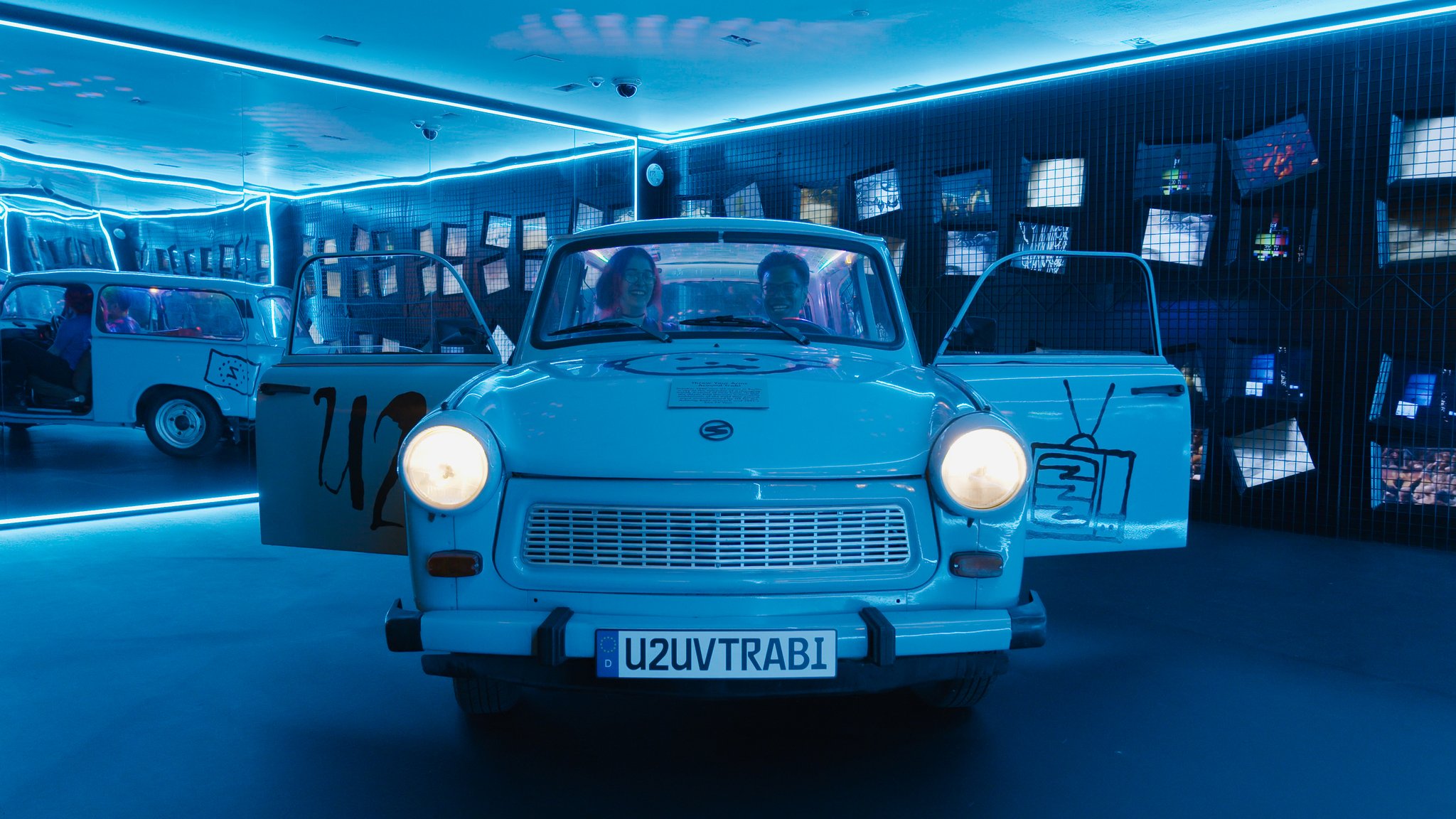
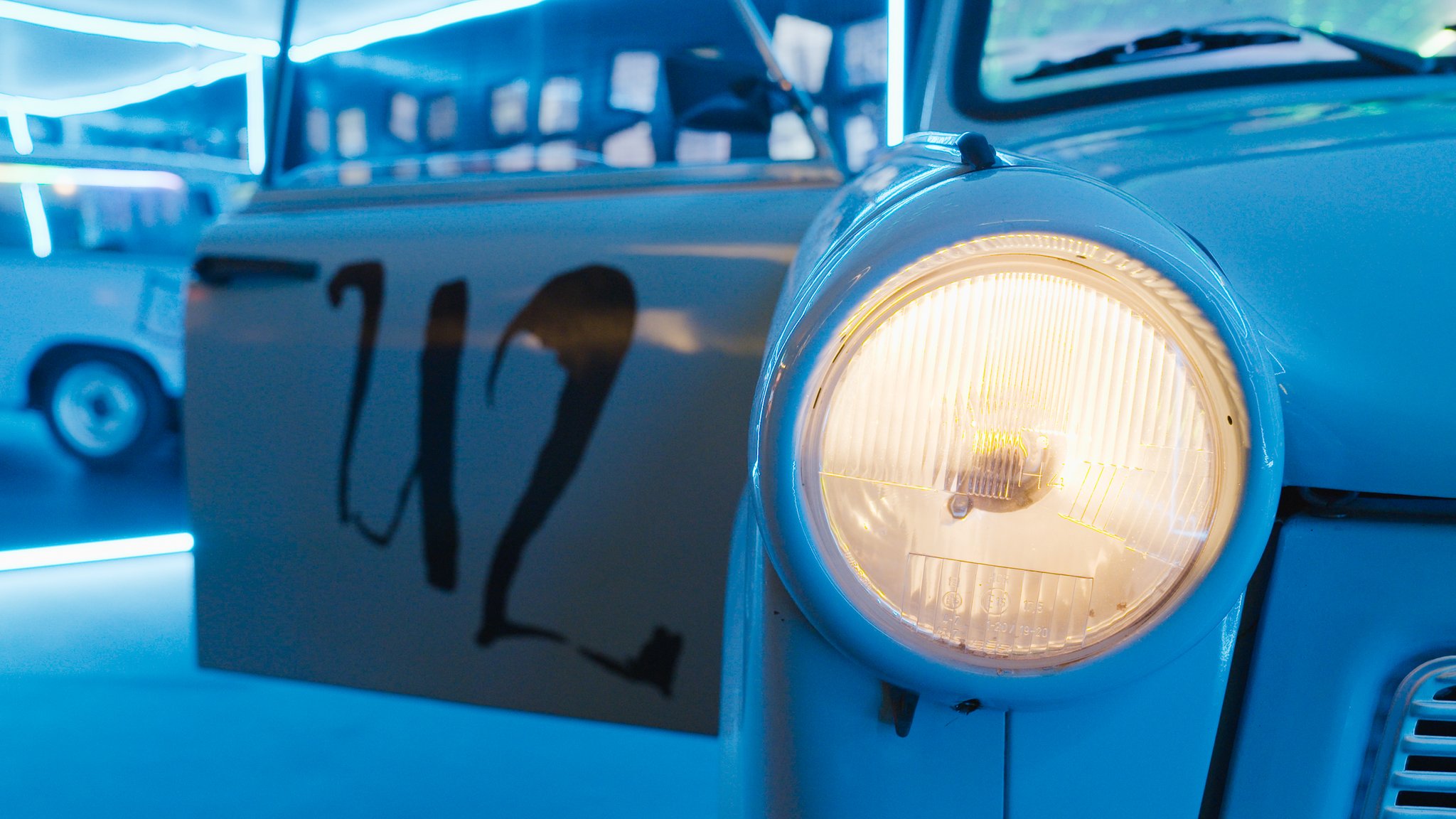
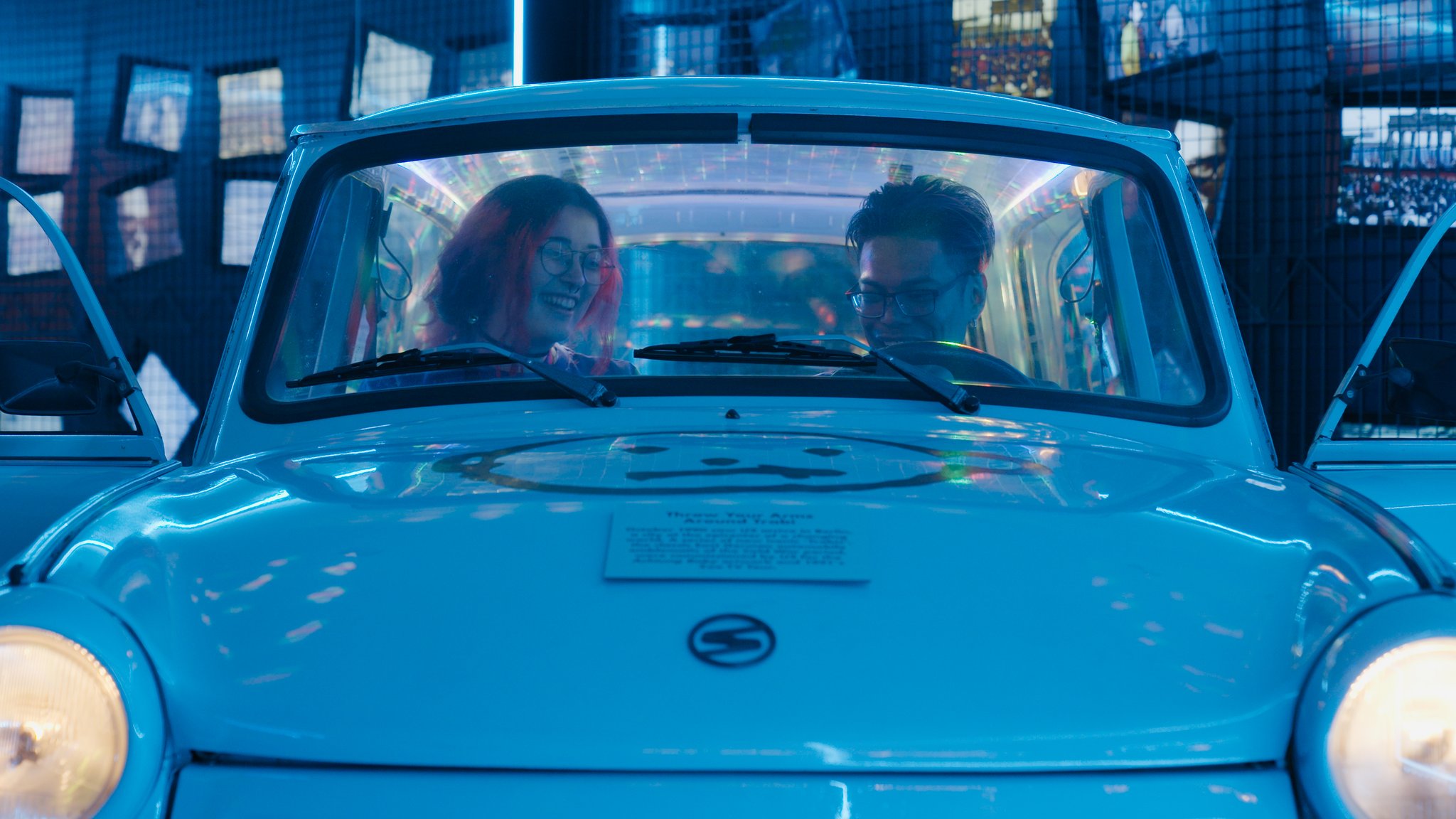
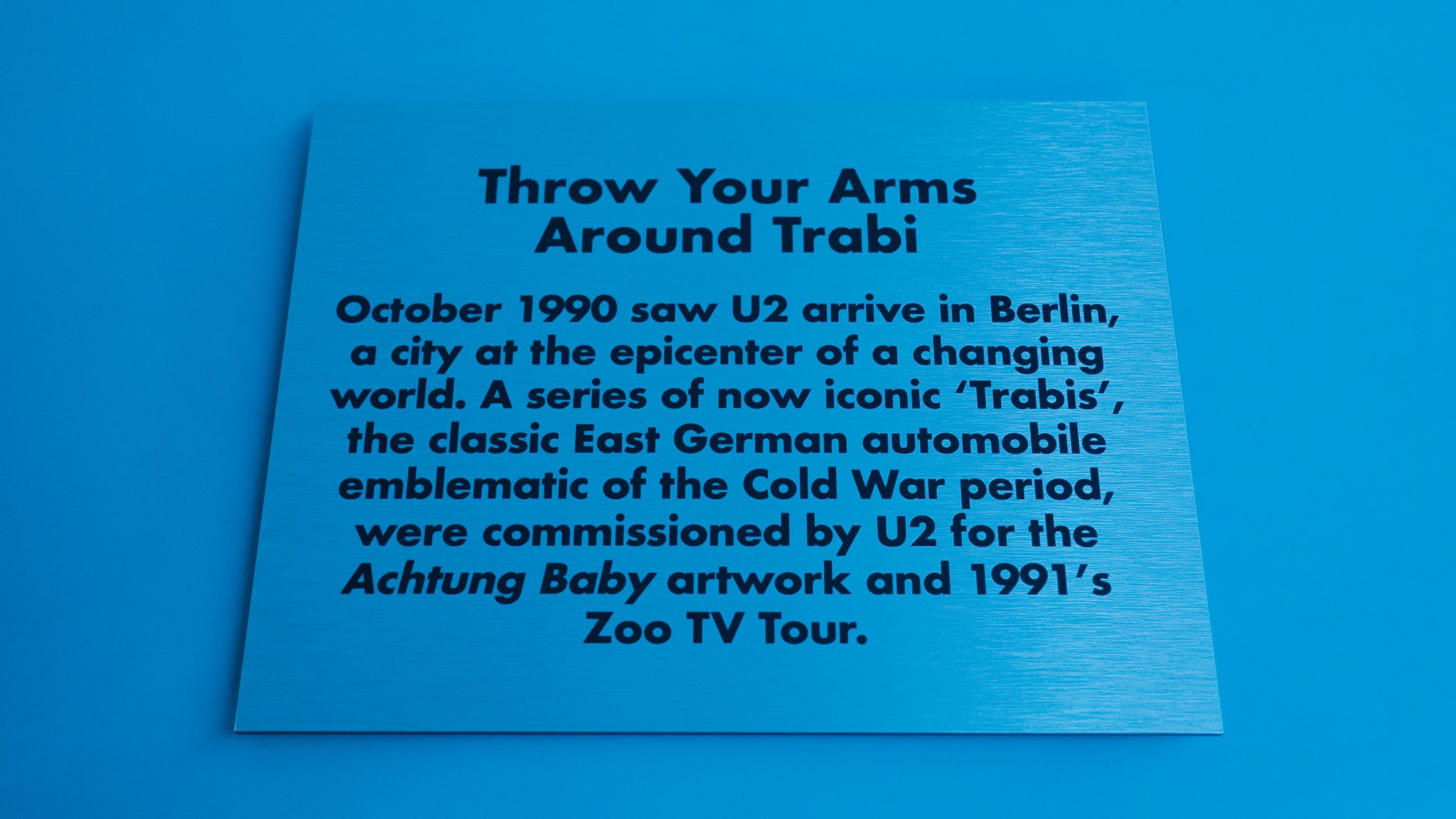
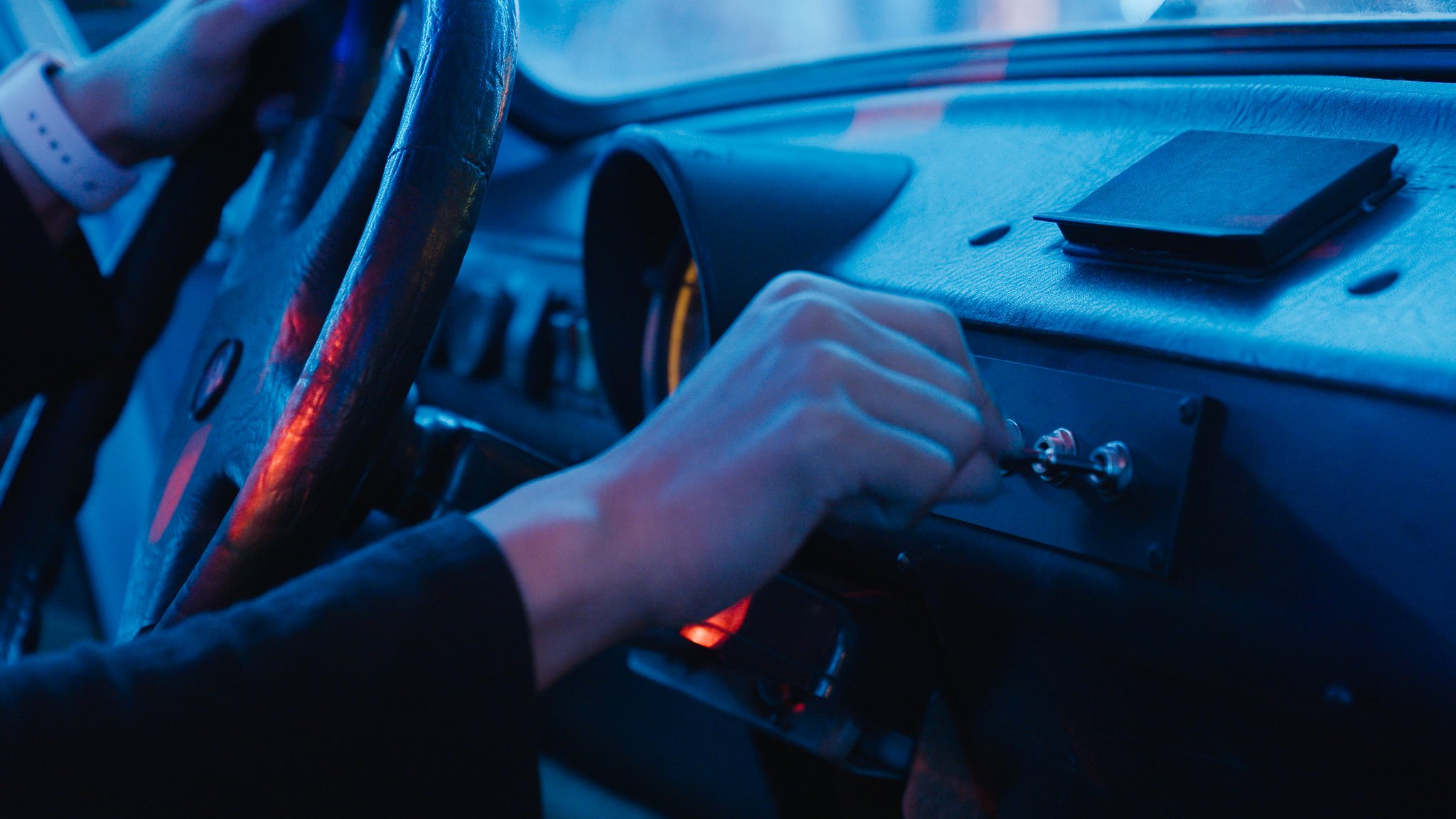
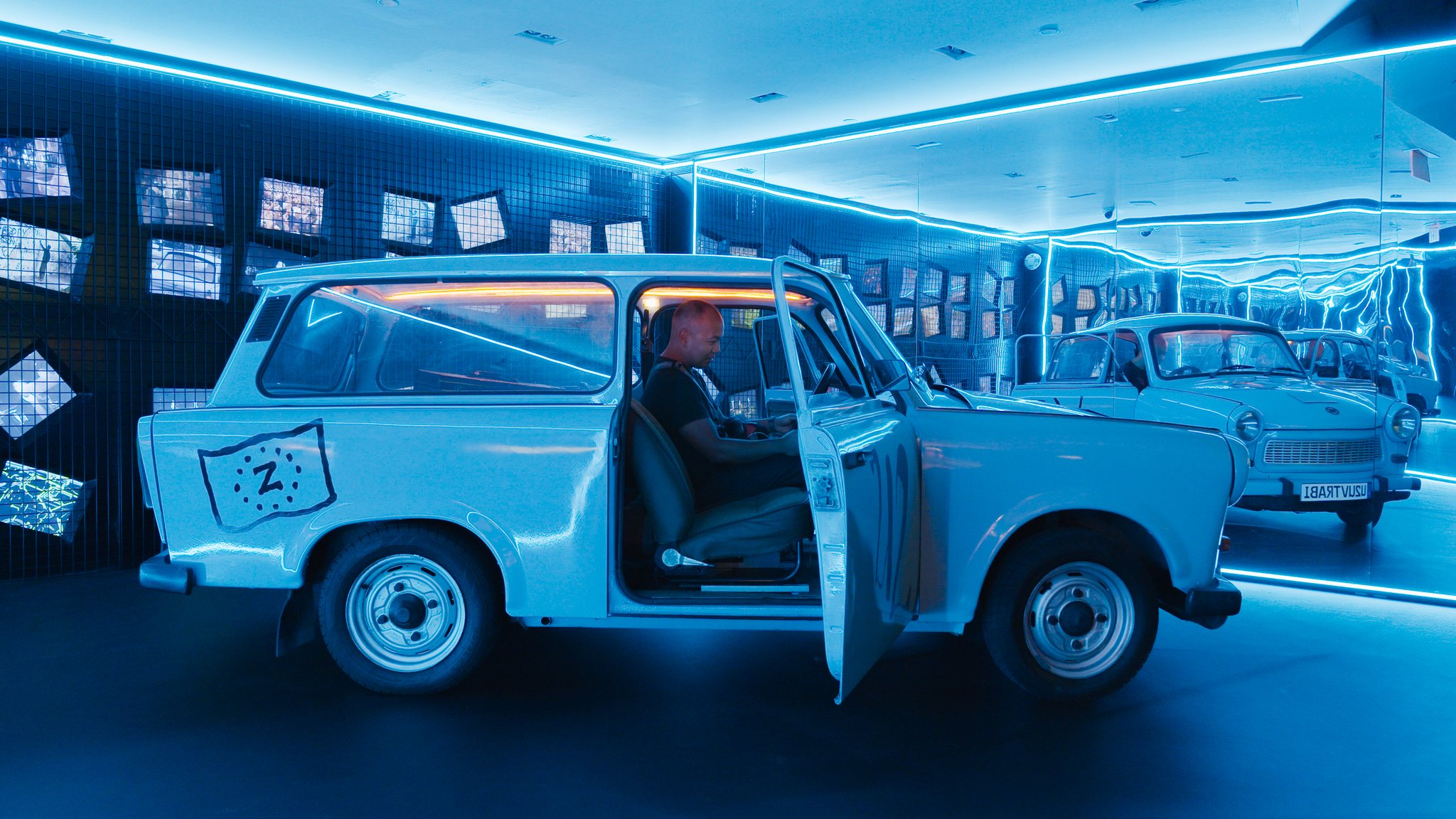
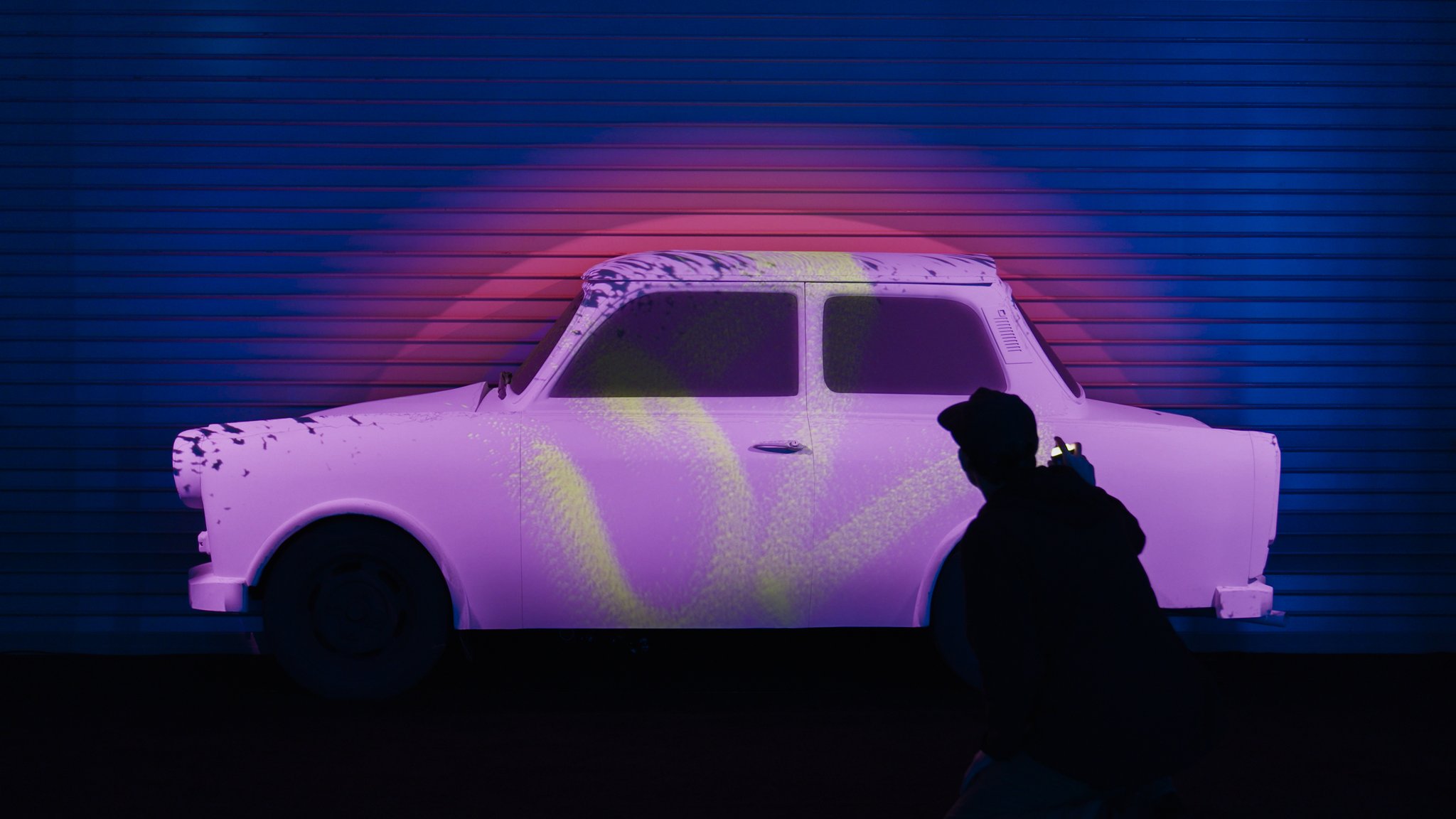
The Trabant was one of them. A real car, positioned against a wall of 40 caged CRT monitors running 80s newsreels, infomercials, and U2 music videos — "Everything you know is wrong" cycling through. Infinity mirrors on either side. Climb in and the dashboard comes alive: toggle a switch, the radio turns on; hit the horn, the lights flash. The car wasn't a prop. It was a character.
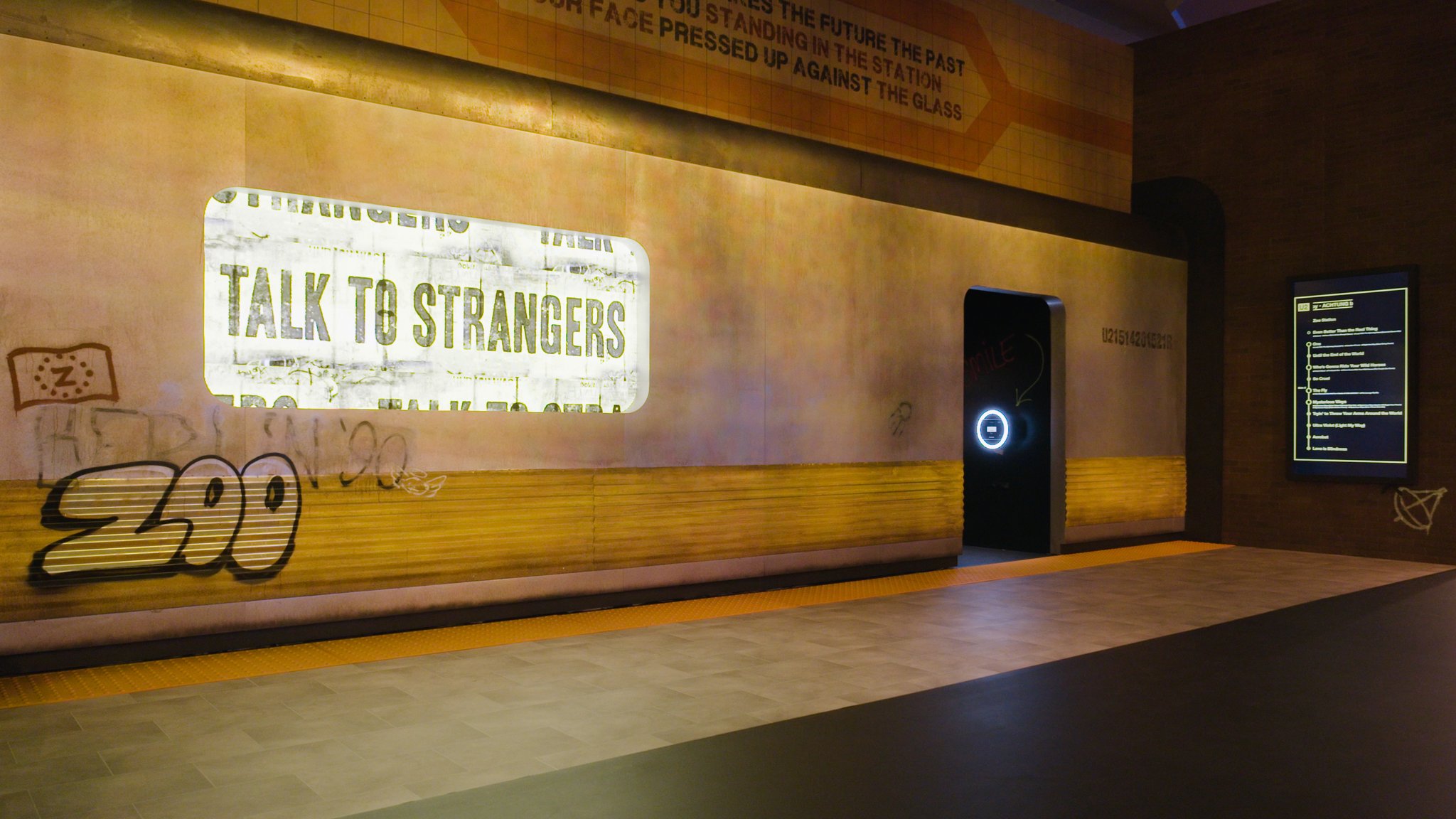
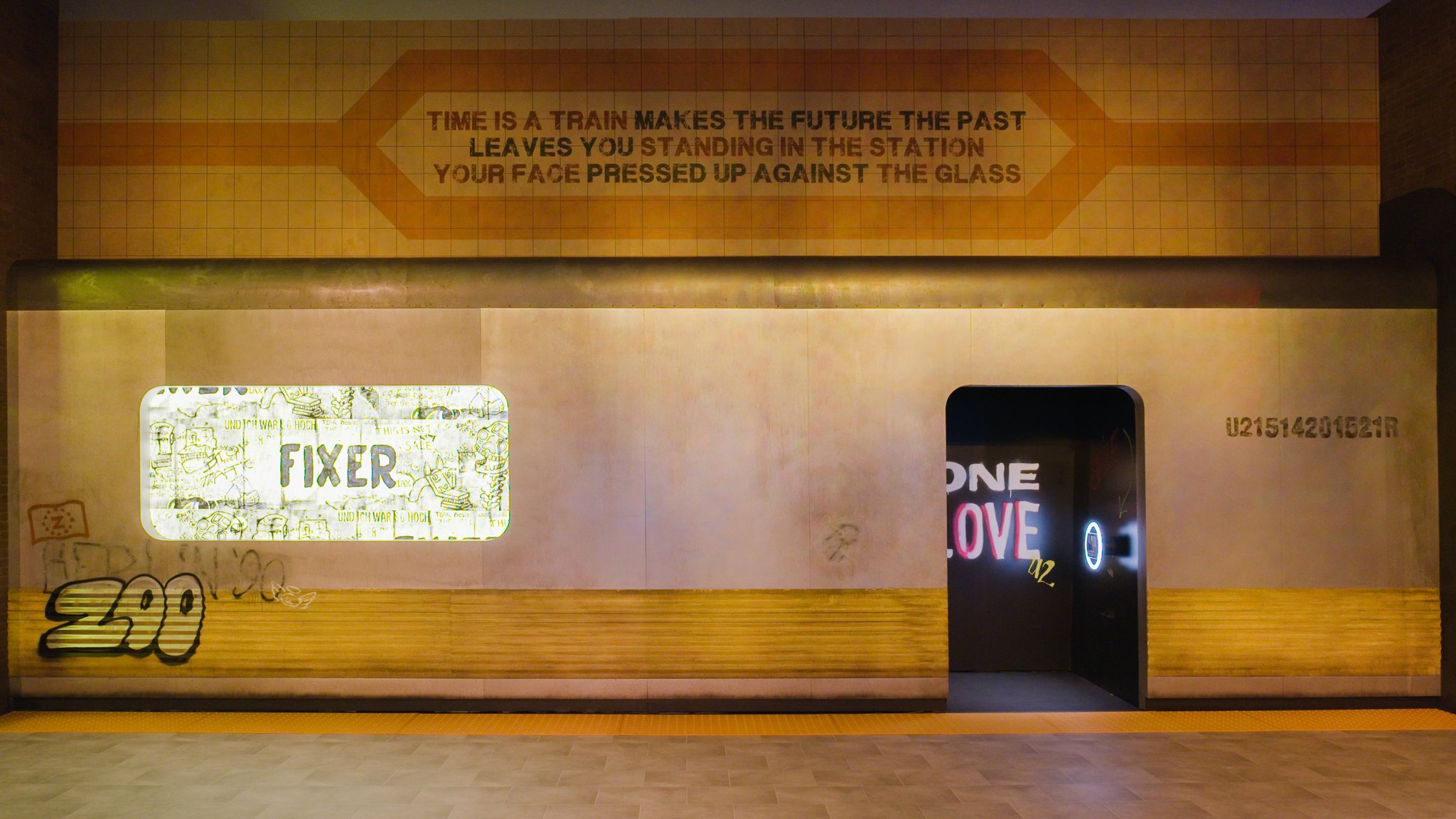
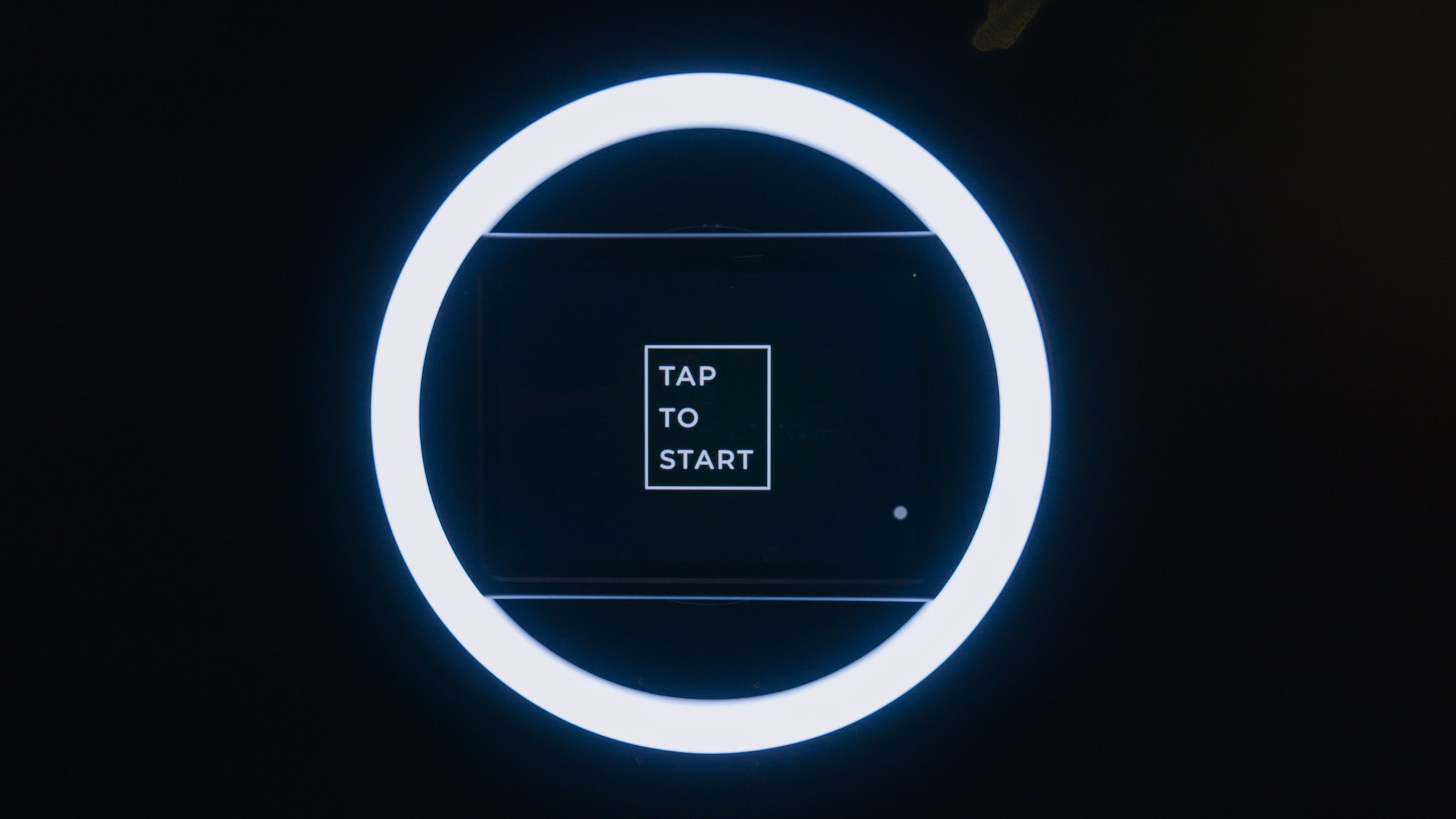
So was the train. A life-size fabricated train car with two sides — peer through the window on one side and you're watching a moving-track illusion with U2 easter eggs buried in the footage; step through the automatic doors on the other and you're inside a photo booth printing branded strips on the spot.
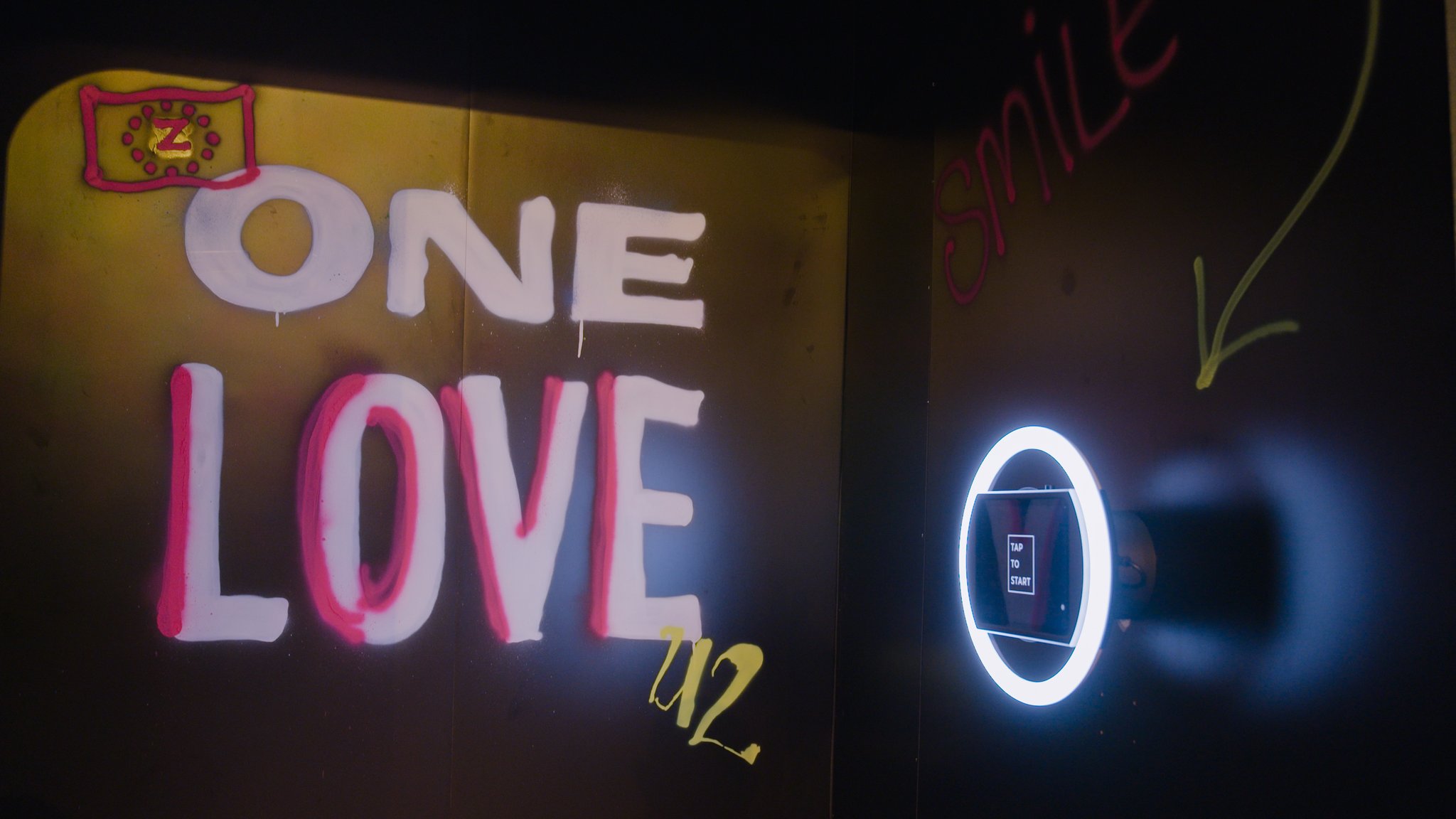
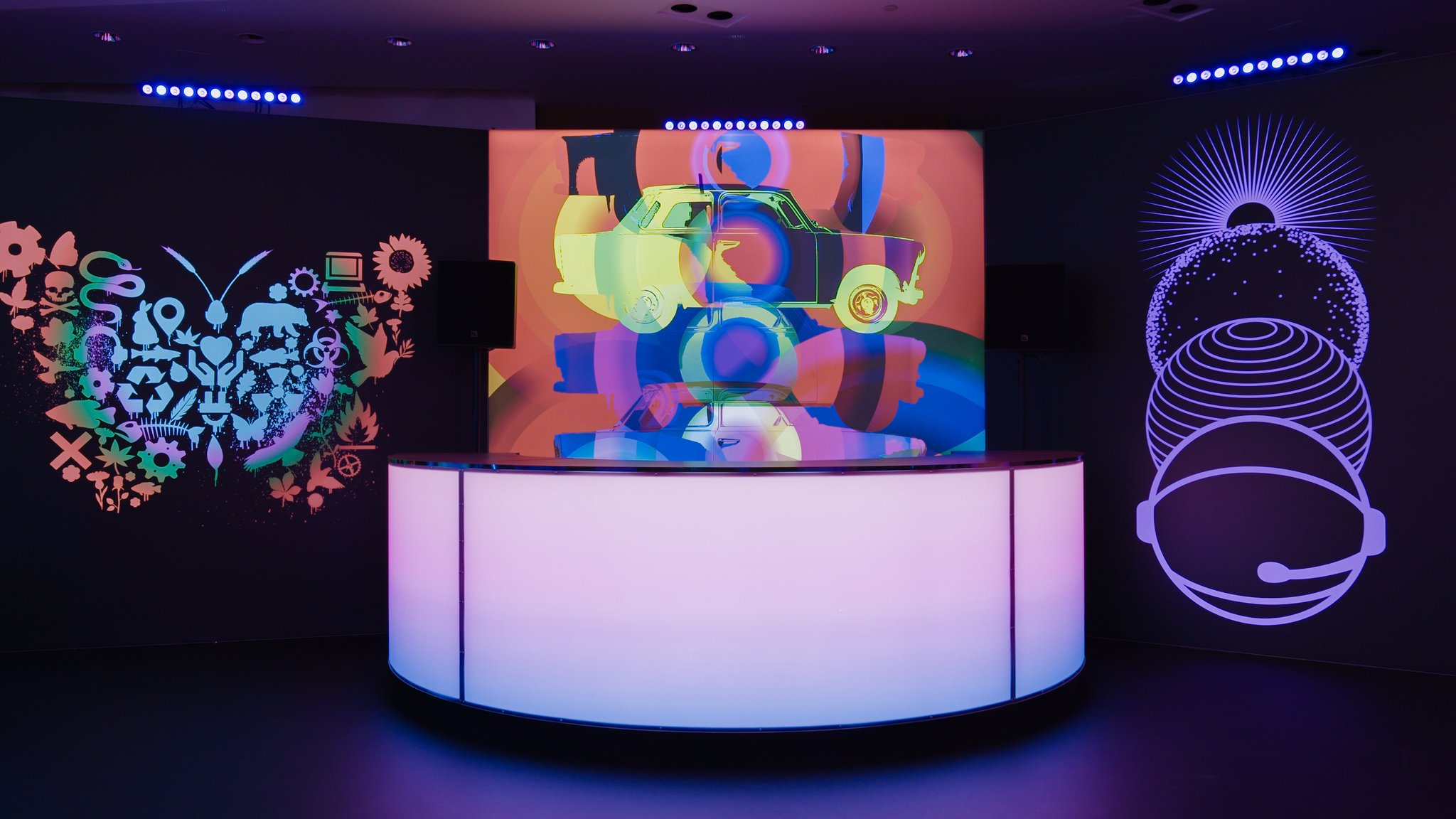
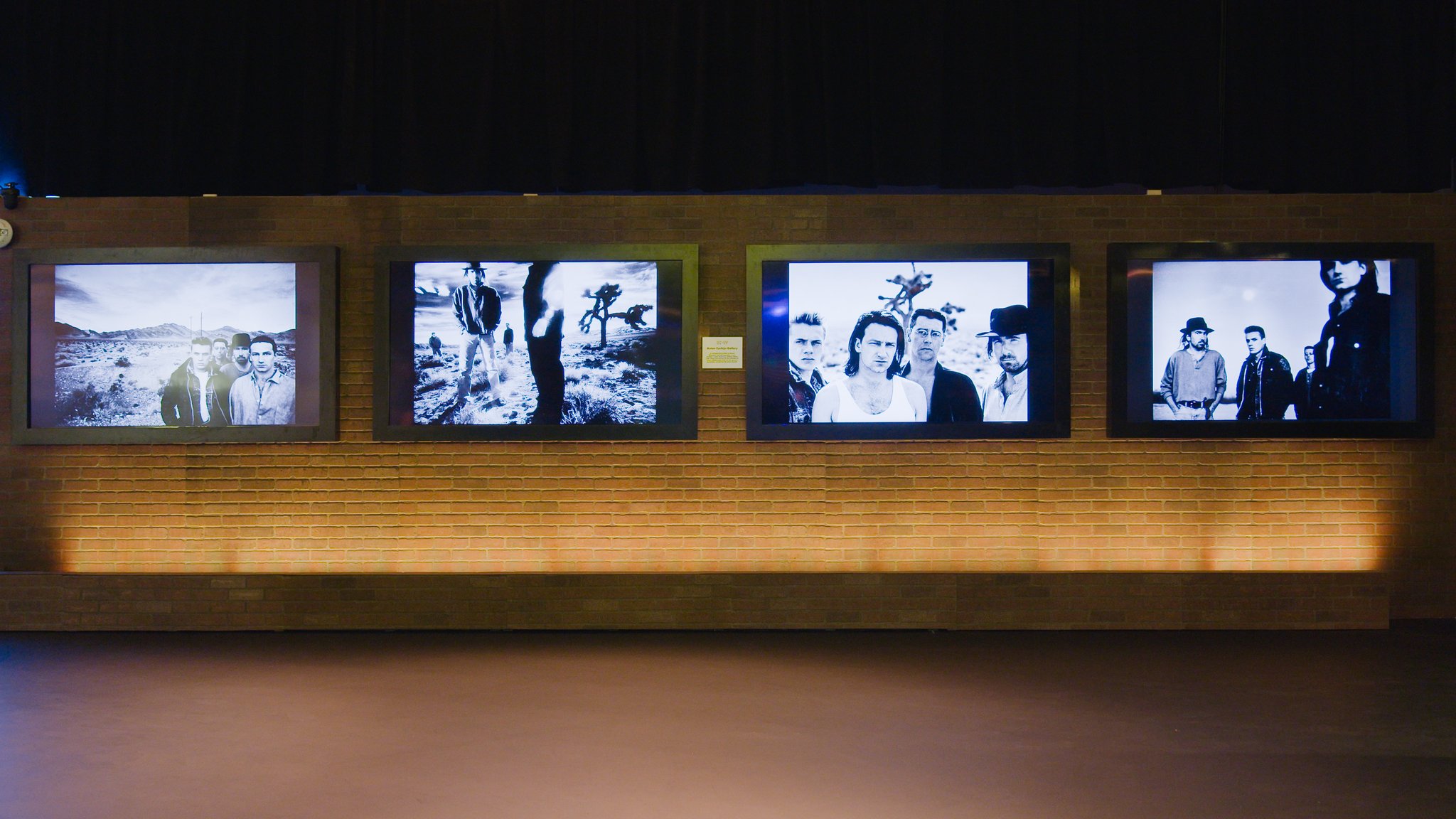
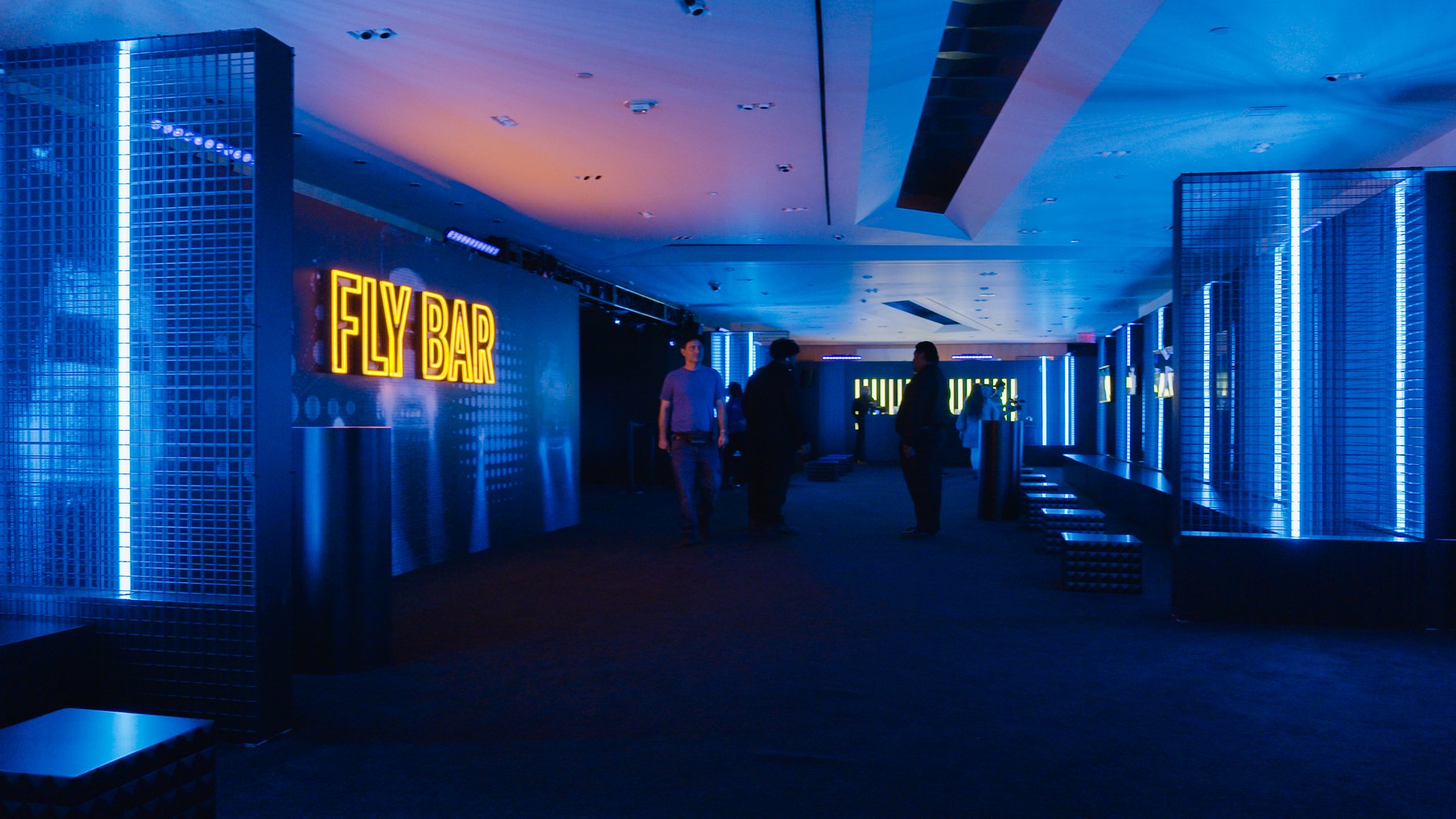
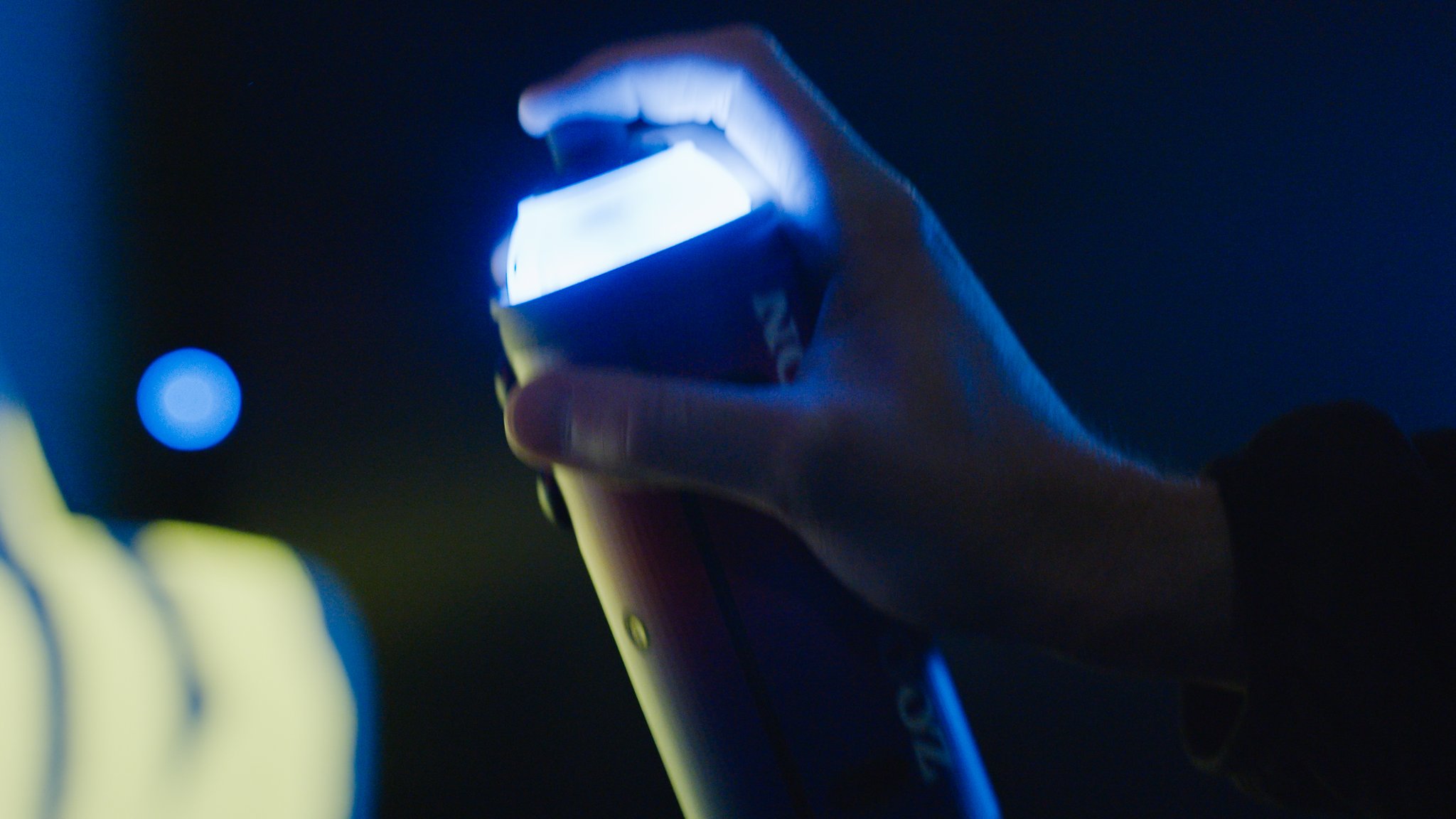
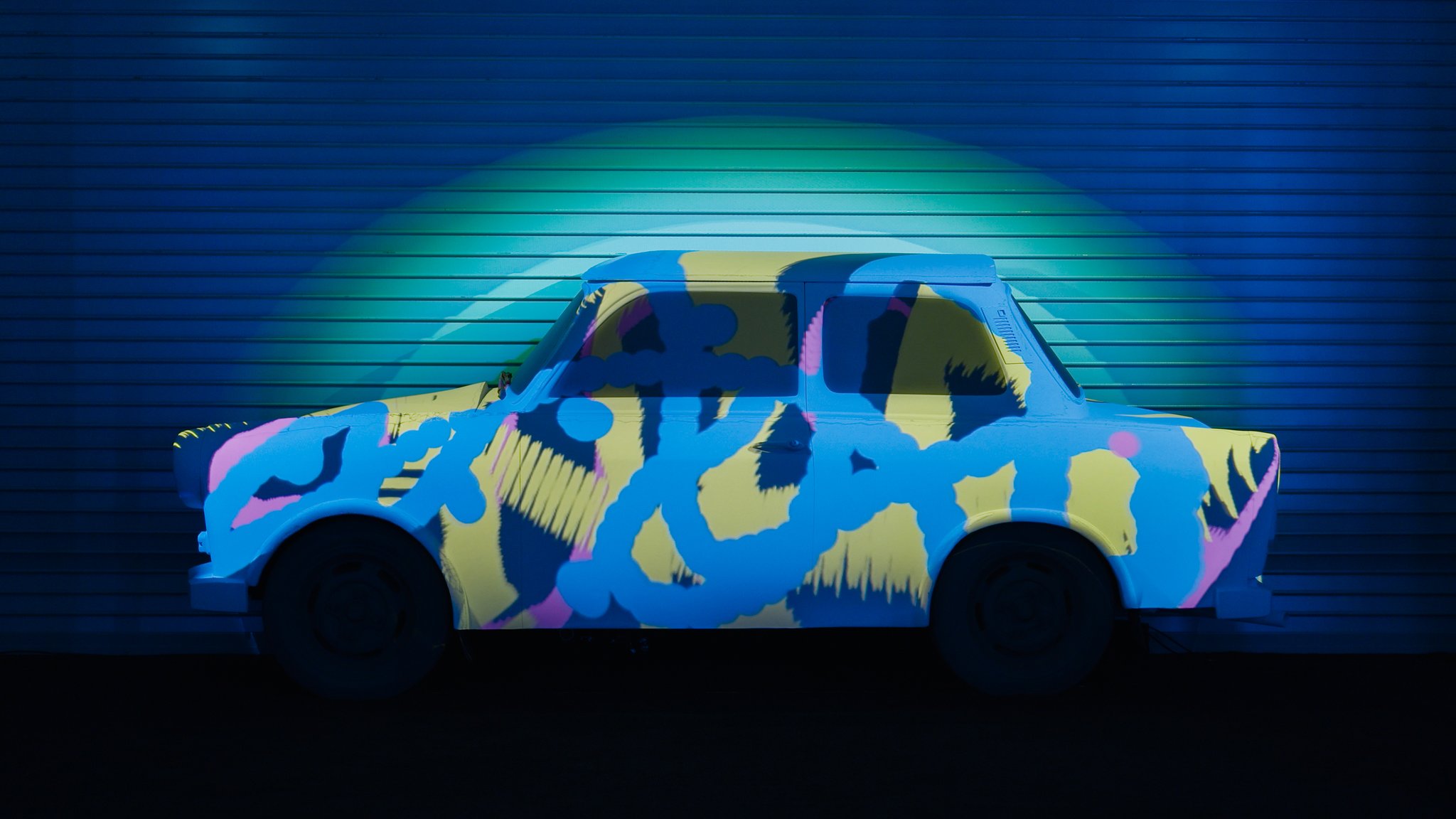
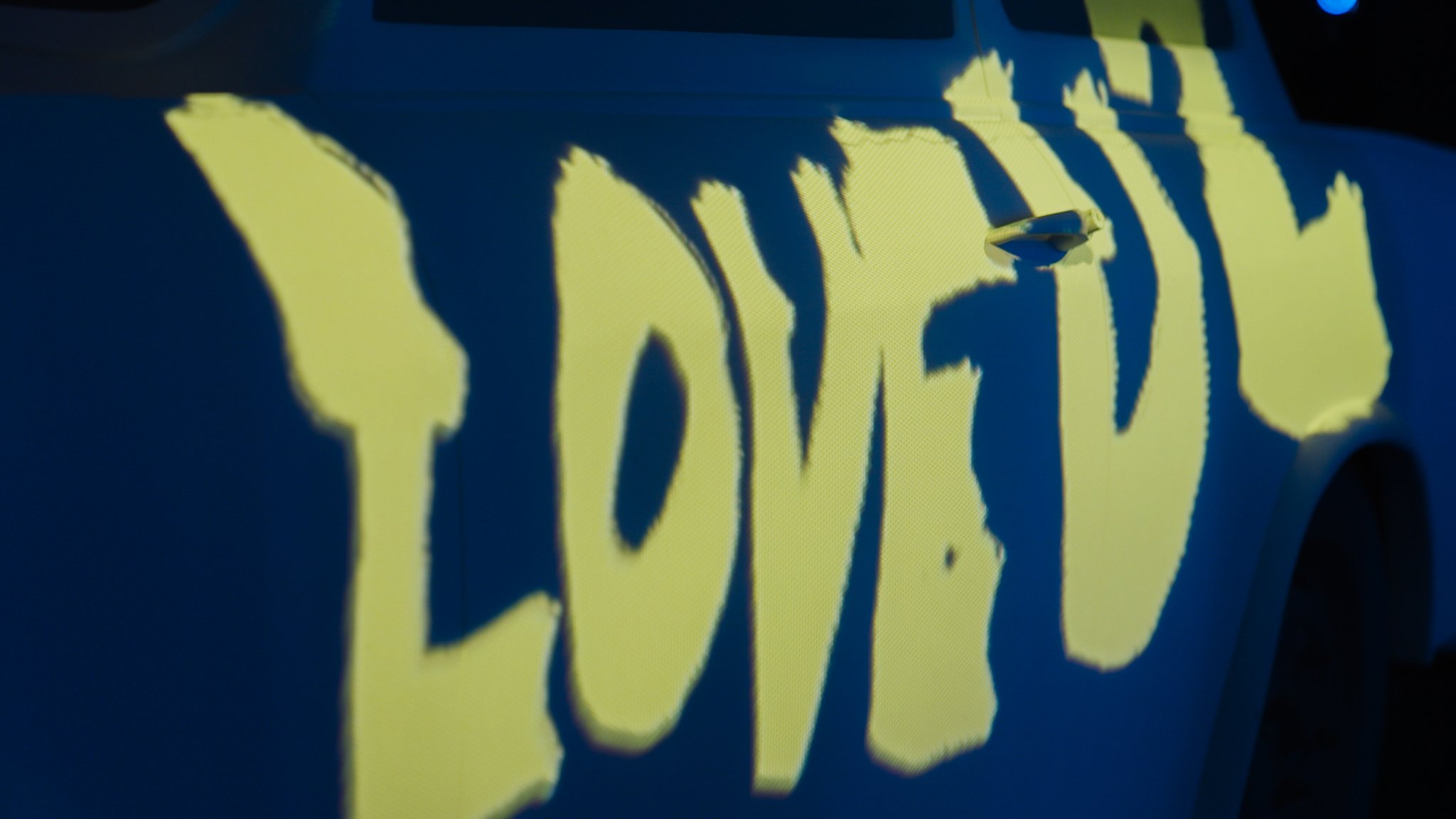
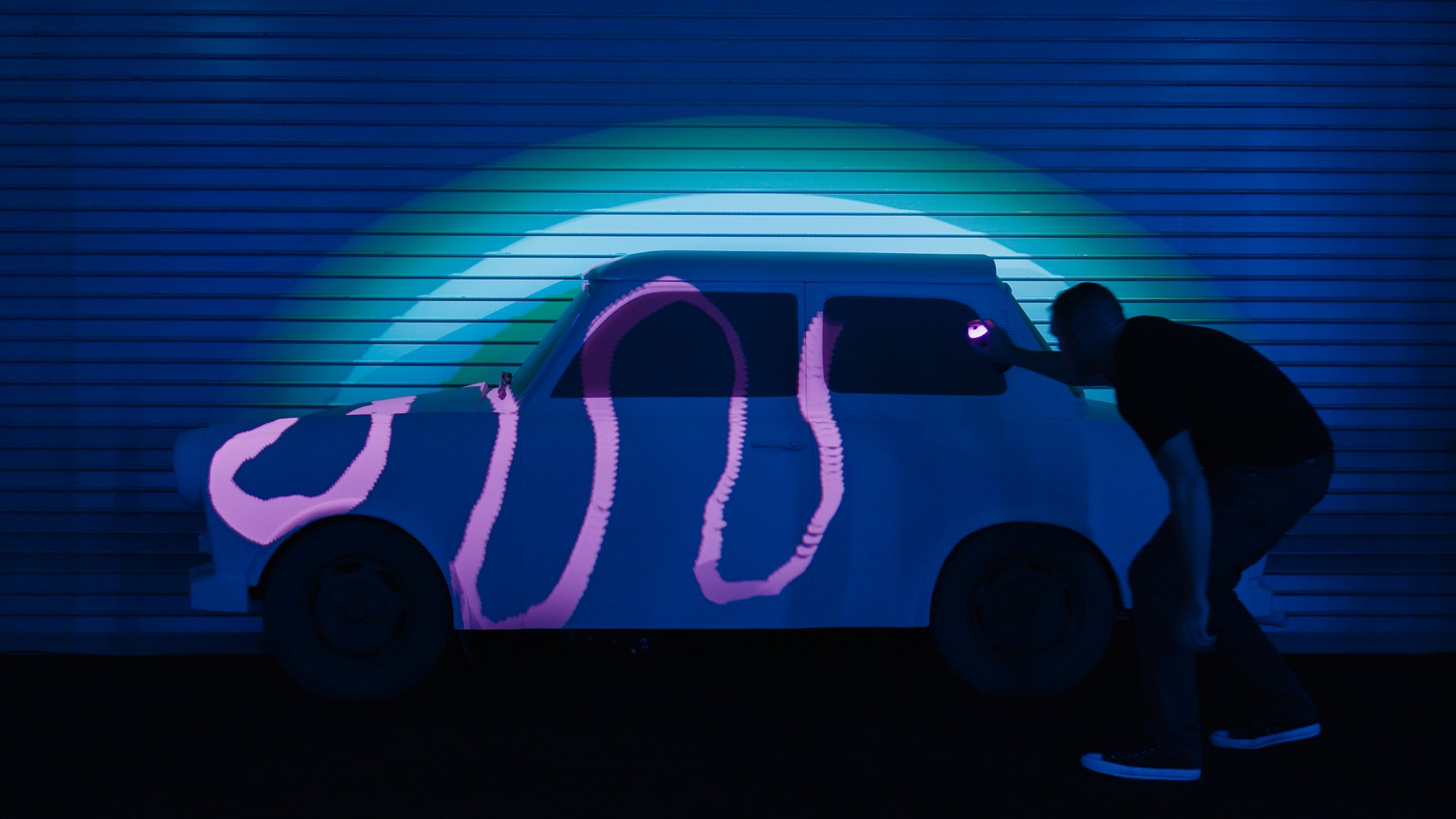
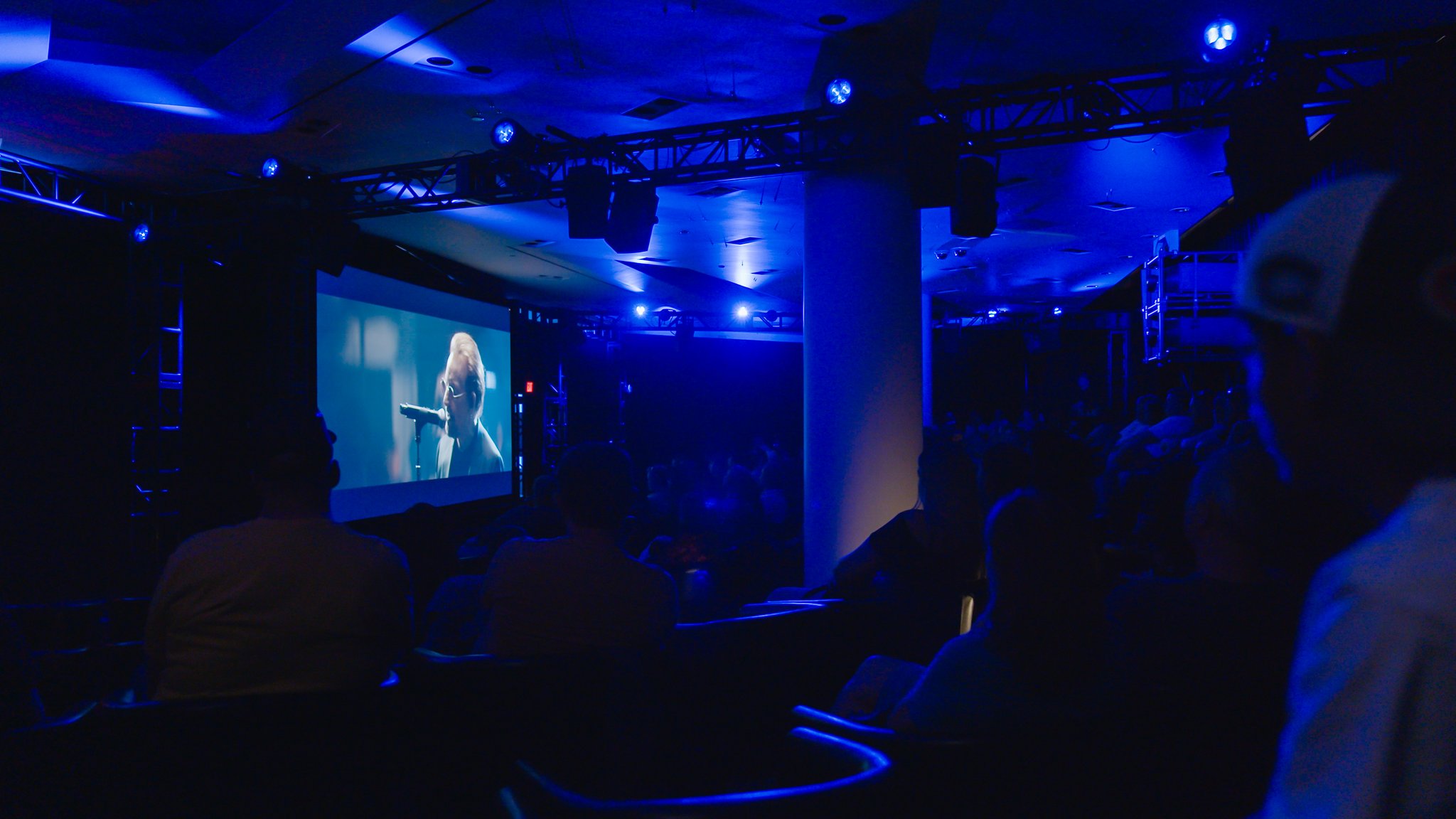
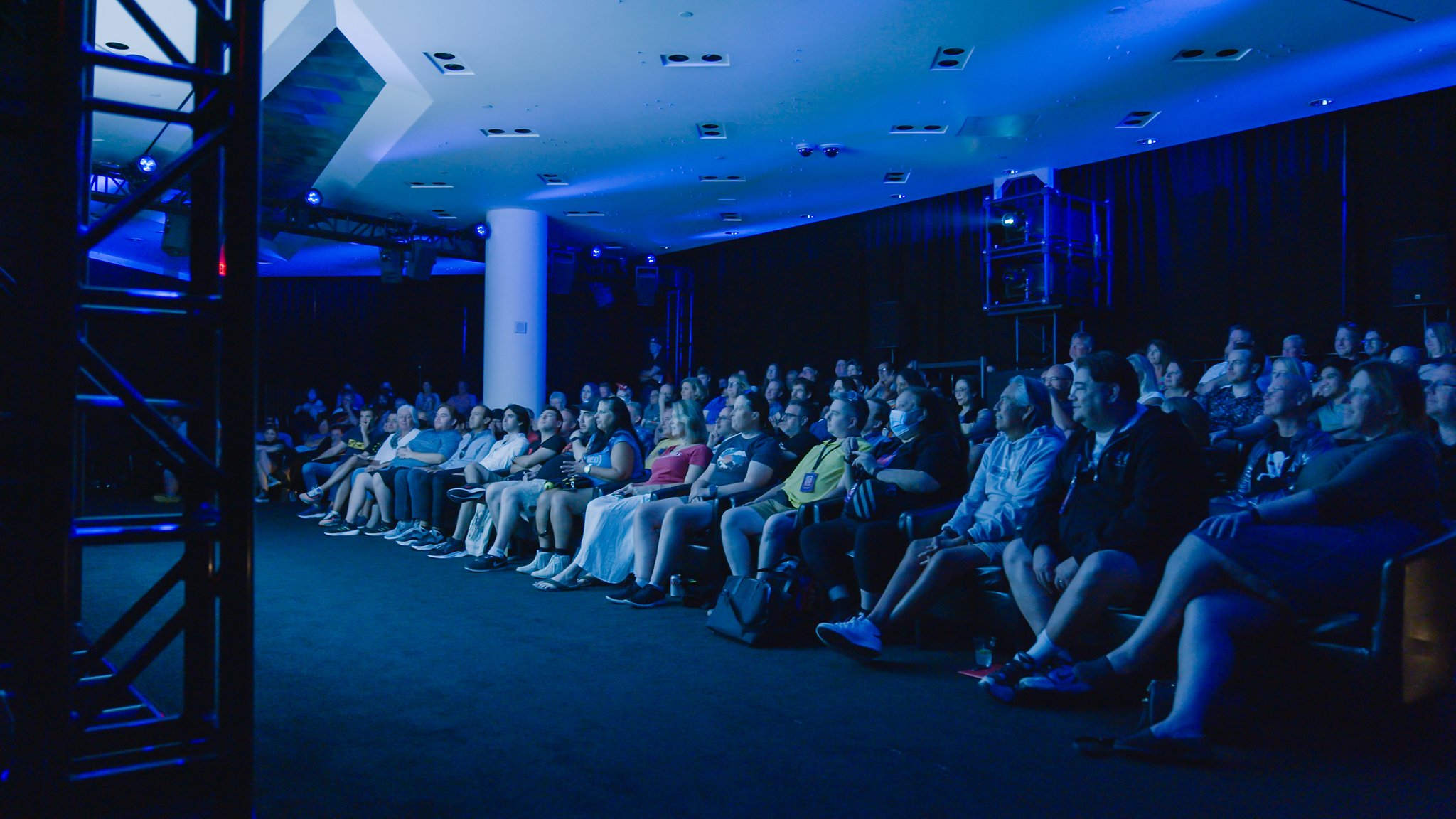
Upstairs, the Fly Bar's graffiti wall let guests spray-paint a projected Trabant silhouette — physical cans whose distance from the surface controlled color, style, and brush width in real time. The Anton Corbijn gallery ran five large-format monitors through decades of his U2 photography, content developed directly with Corbijn. The Zoo TV Cinema ran ticketed screenings in Dolby. Between floors, a spiral staircase lined with ten vertical LED tubes was programmed to pull you upward — a designed moment of transition, not just a way between levels.
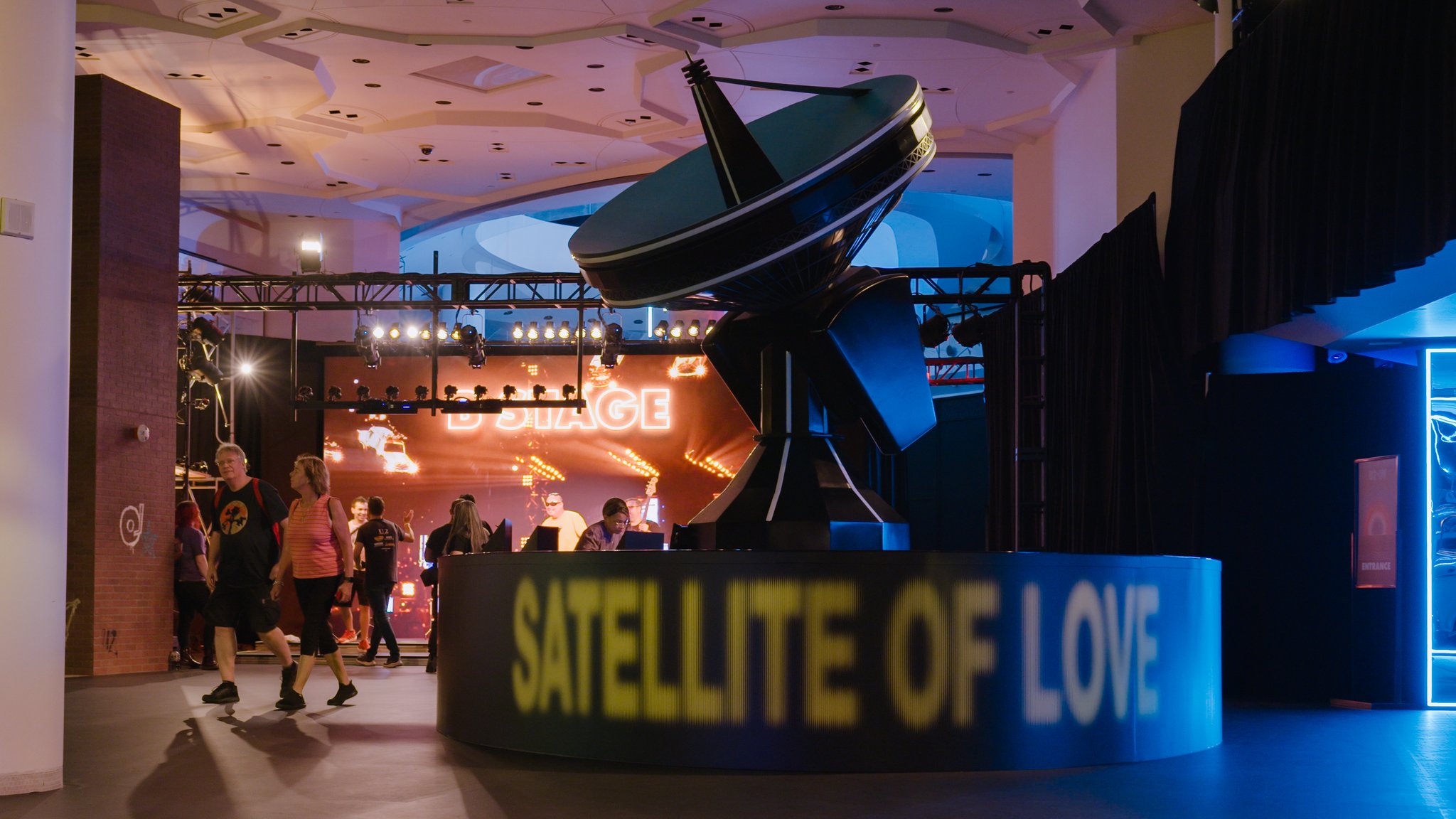
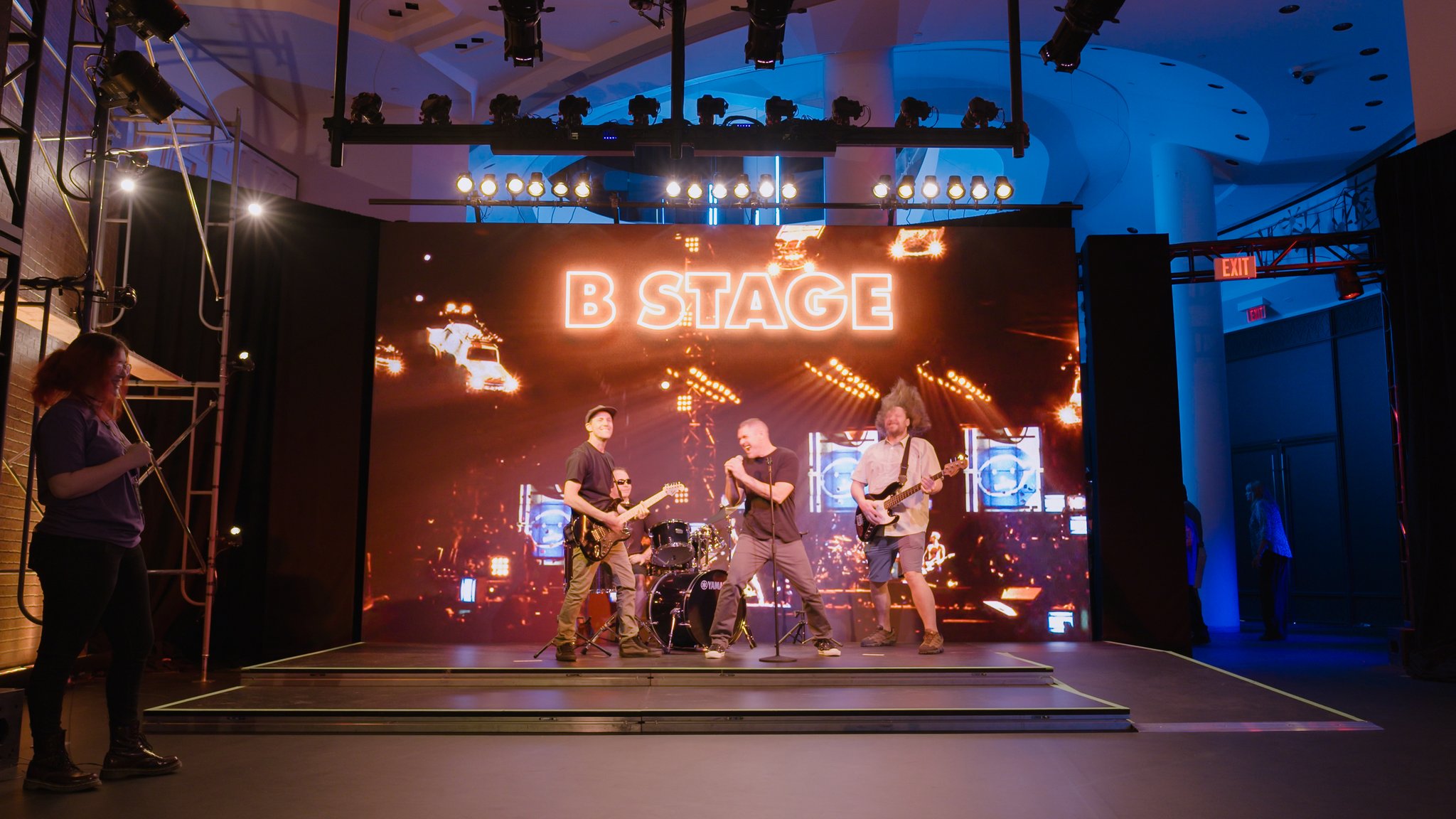
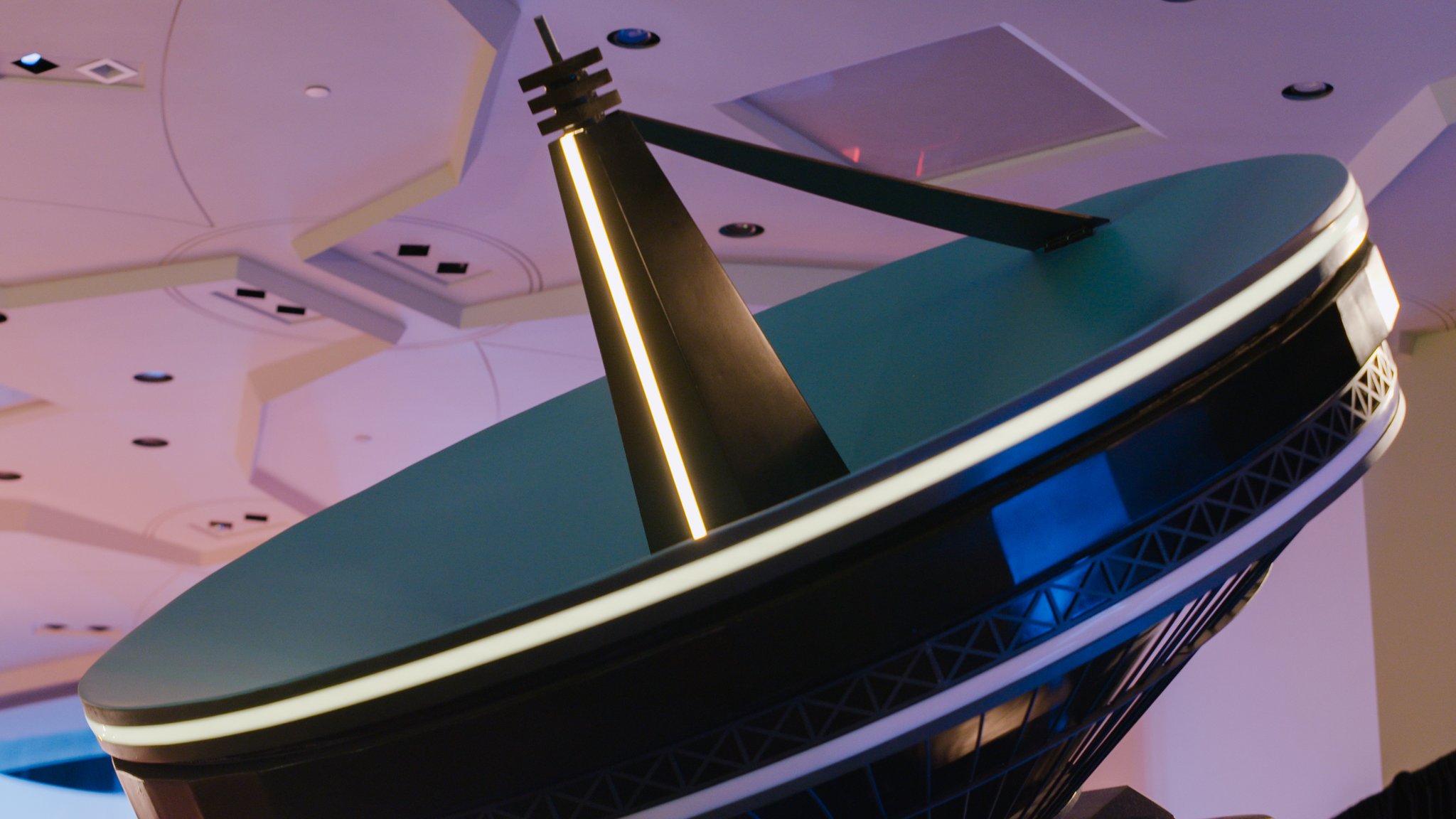
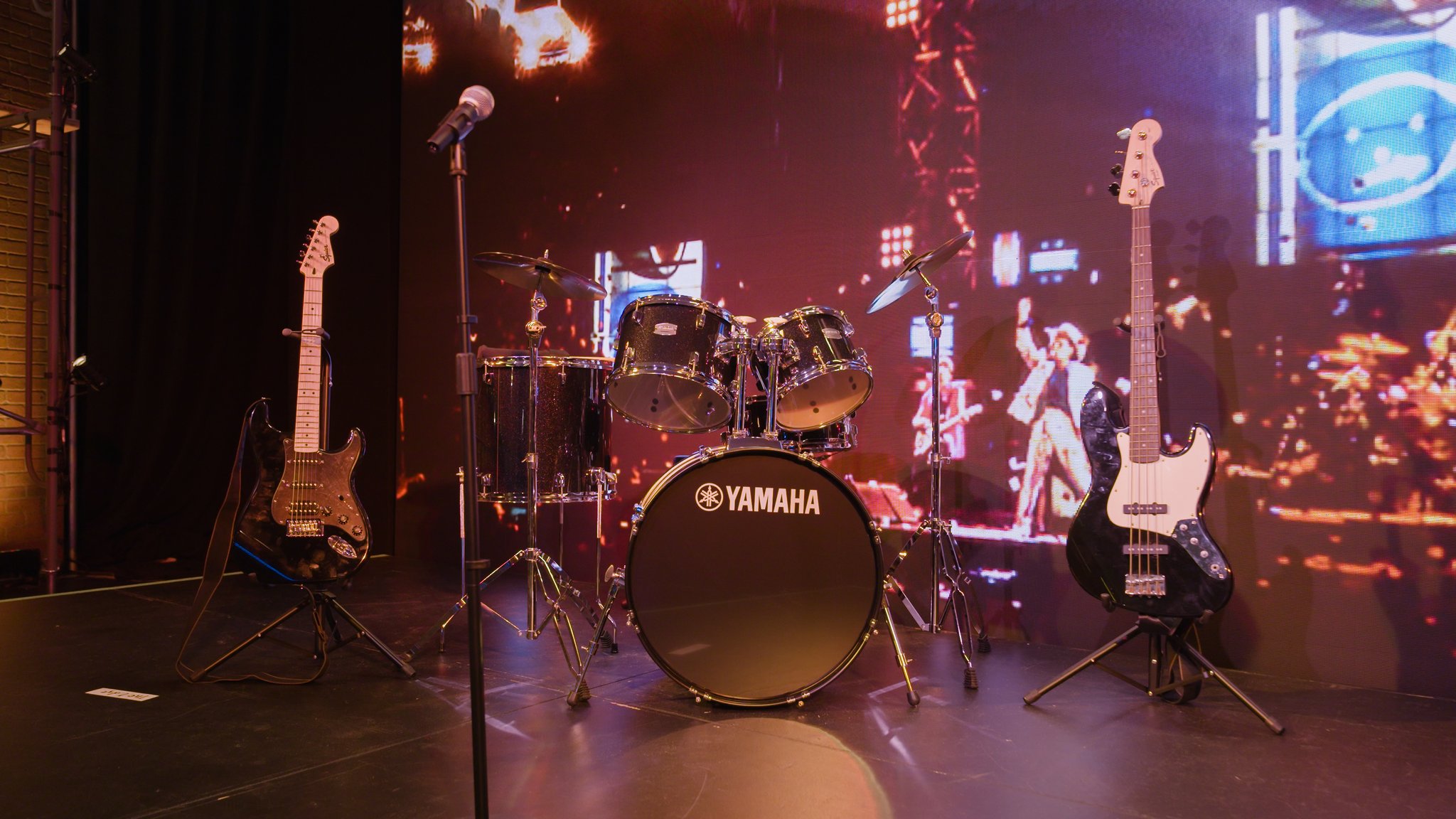
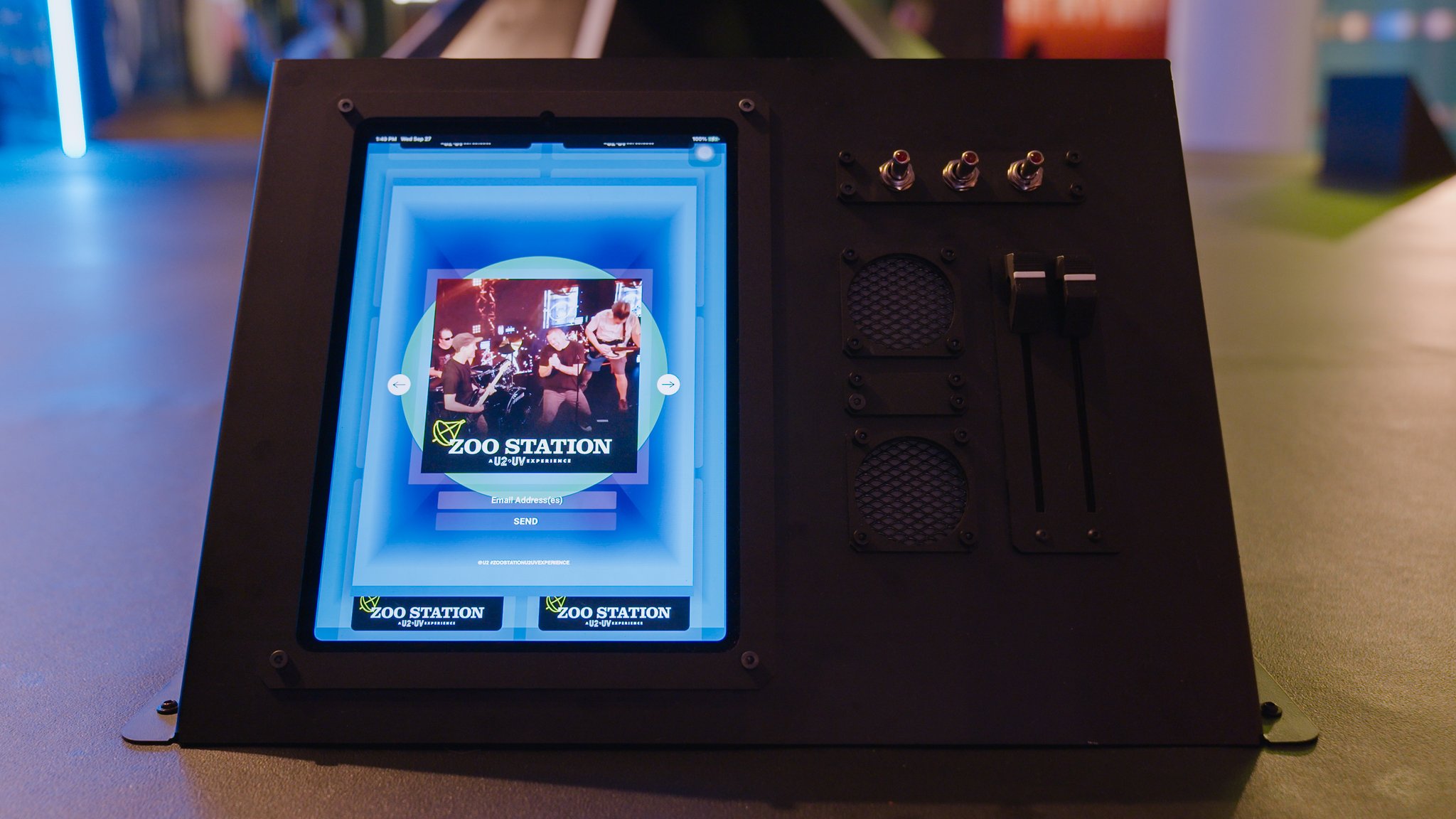
And then the B-Stage: a fabricated replica of the actual Zoo TV tour stage, scaffolding and LED wall included. Step up, and sensors trigger a countdown — lights, visuals, audio. A jib-mounted camera captures your fifteen seconds. The footage routes directly to the Satellite of Love, a CNC-milled interactive structure where you could send your moment to social, pick a U2 track through hyper-directional audio, and watch the satellite's LED structure react when you did.
What made the space work was that every element had a source. Nothing was invented for the sake of filling square footage. The Trabant, the train, the media overload, the Corbijn images — all of it traced back to a real moment in the band's history, translated into something you could touch, stand in, and send home from.
For a U2 fan walking in off the Strip, that specificity was the experience. Not a museum. Not a branded activation. A way into the band's world — on their terms, through the objects and images that actually defined them.
For a U2 fan walking in off the Strip, that specificity was the experience. Not a museum. Not a branded activation. A way into the band's world — on their terms, through the objects and images that actually defined them.